Professional Gym Equipment at Competitive Prices: How to Prioritise a Fit-Out
Équiper une salle à budget maîtrisé suppose de hiérarchiser les postes plutôt que de baisser la qualité de chacun. Le sol sportif et les charges libres passent avant les machines guidées, qui peuvent être ajoutées par tranches. Le leasing permet d'ouvrir avec un plateau complet sans immobiliser la trésorerie.
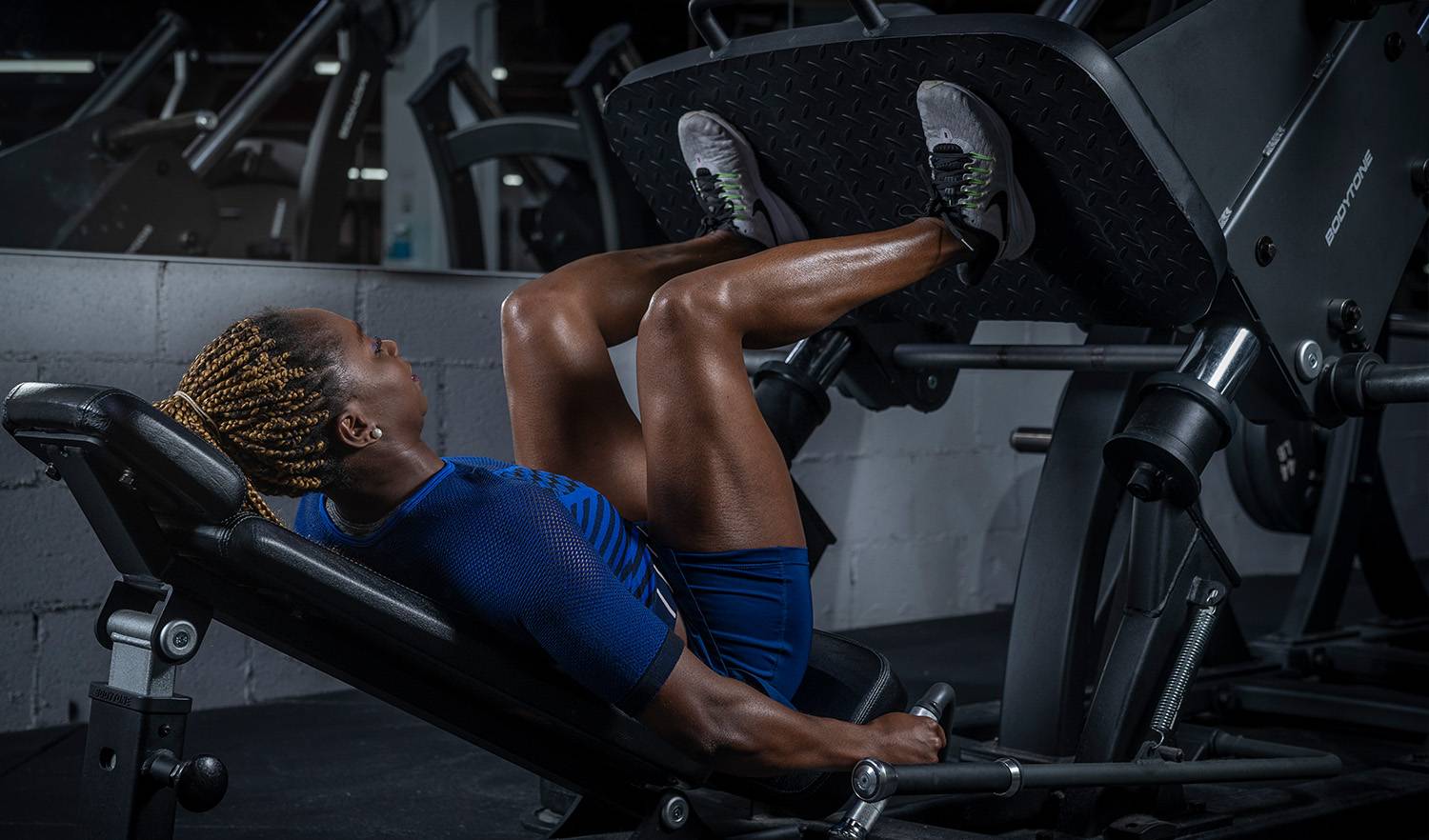
Fitting out a commercial gym is a budgeting exercise before it is a shopping exercise. The question is almost never whether professional equipment is worth the money, it is which line items have to be right on day one and which can be phased. Getting that order wrong is what turns a competitive quote into an expensive second purchase eighteen months later.
This guide sets out the four equipment families that make up a commercial floor, what each one is actually for, and how to keep total cost under control without dropping to a specification your members will break.
Why professional specification is not optional
Equipment used in a commercial facility is used far harder than the same machine in a private setting: continuous hours, unfamiliar users, no supervision of technique. That is why indoor equipment installed in a gym, a hotel, a club or a rehabilitation centre must be certified to EN ISO 20957-1 class S, the classification for professional use. It is not a marketing label, it defines the frame, the guarding and the fatigue testing the machine has passed.
The commercial return is straightforward: better safety, longer service life and lower downtime. A machine that fails in month twenty of a five-year plan costs you the replacement, the lost floor space and the members who moved to the club down the road while it was out of service.
Cardio equipment
Cardio is the highest-traffic zone in almost every facility and the one most exposed to wear. Four formats cover the great majority of demand. Treadmills reproduce running with joint support and remain the single most requested machine. Upright bikes offer low-impact work targeting the legs and take the least floor space per station. Rowing machines recruit several muscle groups at once while building cardiovascular endurance. Cross-trainers give impact-free work loading both the upper and the lower body.
For members the documented benefits of regular cardio work include improved circulation, greater lung capacity, lower blood pressure, reduced cholesterol and better blood sugar regulation. For the operator, the relevant number is stations per hour: size the cardio equipment zone on peak attendance, not on average attendance, because peak is when members decide whether to renew.
Strength training
Strength work is the most common form of conditioning and the widest equipment family. Selectorised machines guide the movement, which makes them the safest starting point for beginners and the easiest to supervise in a busy room. Free weights suit experienced users targeting specific muscle groups and give the best training value per euro of any category. Plate-loaded machines sit between the two, combining a guided path with the loading feel of free weights, and let you add load for heavier sessions.
A well-composed strength training floor covers legs, arms, shoulders, back and trunk without duplication. Multi-purpose stations are useful in small footprints, but they queue badly above a certain attendance level; past that point separate stations move more members per hour than one machine that does everything.
Cross-training and functional
Functional training combines several movement patterns to work strength, endurance, coordination and balance together. Kettlebells are the emblematic tool: a cast-iron ball with a top handle, usable for swings, squats and presses, loading several muscle groups in a single movement. Plyometric work adds explosive jumping patterns for power and agility, with plyo boxes as the standard equipment.
Accessories matter more here than in any other zone. Suspension trainers cover balance and bodyweight strength work; battle ropes cover endurance and coordination. The category rewards variety over unit cost, so build the fitness accessories inventory in depth rather than buying one of everything.
Small equipment: the underrated line
Discussion of gym fit-out gravitates towards large, expensive machines, but small equipment carries a disproportionate share of the programme. Dumbbells are the single most versatile purchase for full-body strength work. Resistance bands add graded resistance at negligible cost. Steps bring variation and cover step-based cardio classes.
Small equipment is light, easy to store and much cheaper per training station than large machines, which makes it the natural way to add capacity to a class studio or a hotel fitness room without extending the floor plate. It is also the first thing that disappears, so budget for replacement rather than treating it as a one-off purchase.
Choosing equipment on more than headline price
The choice starts with fit to purpose. A rehabilitation centre, a cross-training box and a hotel gym have almost nothing in common in their equipment lists even at identical budgets, so start from your user profile and your attendance curve, not from a catalogue.
Material quality determines both safety and service life; look for frames built to carry the intended load with margin, and ergonomics that make a long session comfortable rather than merely possible. Durability is the number that decides real cost, which is why the warranty terms are part of the specification and not a footnote to it. Finally, price competition in this market is genuine, so comparing quotes is worth doing, but only between comparable specifications. A cheaper machine in a lower class is not a cheaper machine, it is a different product.
Where the budget should go first
Equipping a gym on a controlled budget means ranking the line items rather than lowering the quality of each one. Sports flooring and free weights come before selectorised machines, which can be added in phases as membership grows. Flooring in particular is the one item that cannot be retrofitted cheaply once the room is in service, so specify the rubber gym flooring correctly at the outset.
Leasing is the other lever. It lets an operator open with a complete floor rather than a partial one, without tying up working capital in month one, and it matches the cost of the equipment to the revenue it generates.
Frequently asked questions
What does class S mean on a piece of equipment?
It is the professional classification under EN ISO 20957-1, covering equipment intended for use in a supervised commercial facility. It is the minimum specification for any machine installed on a paying gym floor.
Is it cheaper to buy a full floor at once or in phases?
Buying at once gives better unit pricing and a coherent floor. Phasing preserves cash. Leasing is how most operators get both, and it is worth pricing before deciding to open with an incomplete room.
Which zone should never be under-specified?
The flooring and the free weight area. Both take permanent, unsupervised load, and both are expensive to correct once the facility is trading.
How many cardio stations do we need?
Size on peak attendance rather than average. The relevant figure is how many members are waiting at 18:30 on a Tuesday, not how many use the room across a week.
Get a costed proposal
Send us the floor area, the type of facility, the expected number of members and the budget envelope, and we will come back with a full equipment list, a layout and a price per zone, so you can see exactly what each decision costs before committing. Request a quote and we will build the specification around your figures.