Professional Fitness Equipment Ranges for Operators
Un équipement destiné à un usage collectif se juge sur sa classe d'usage EN ISO 20957, sa structure et la disponibilité de ses pièces détachées. Ces éléments prédisent le coût d'exploitation mieux que le prix d'achat. Le sol sportif et l'implantation complètent le projet d'équipement.
Equipping a commercial training space is a procurement exercise before it is a training one. The equipment has to survive continuous multi-user duty, stay serviceable for years, and cover a membership whose experience ranges from first session to competitive athlete. This overview sets out the main equipment families for a professional site and, more importantly, the criteria that actually decide which units are worth buying.
Strength equipment
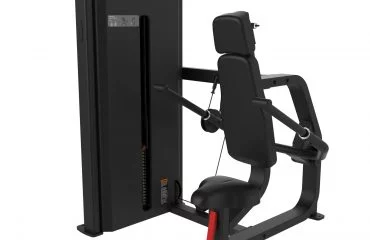
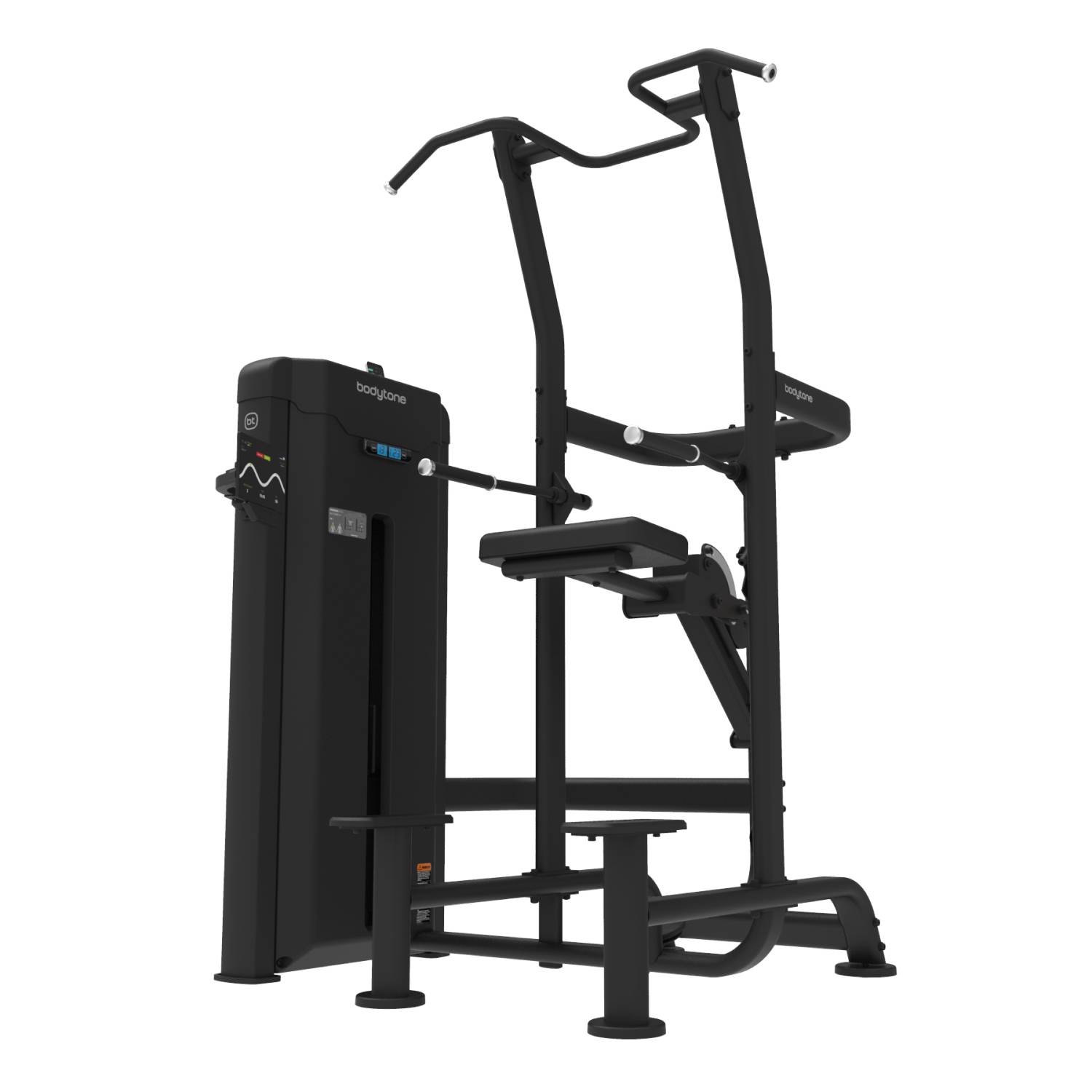
Strength provision splits into two jobs. Full-body free-weight training is covered by weight benches, squat and power racks, barbells and dumbbells, and it is what a strength-oriented membership expects to find. Targeted machine work covers the arms, legs, back and trunk with a guided path of movement, which makes it the accessible entry point for new members and the safer option where supervision is limited.
Most commercial floors need both, and the ratio is what varies by setting. A cross-training box leans heavily to free weights; a hotel or corporate facility leans to guided machines; a general club needs a genuine spread. The full selection sits under strength training machines.
Cardio equipment
Cardio is usually the most heavily used part of a floor and the first place where under-specified equipment fails. Treadmills carry the highest duty and the highest servicing burden, so frame, deck and motor specification matter more here than anywhere else. Upright and indoor cycling bikes and cross trainers offer lower-impact options that suit a broad membership and need less maintenance. Rowing machines add a full-body pattern in a footprint that stores away, which makes them useful where space is tight. The range is grouped under cardio equipment.
Accessories and functional training
Accessories are what let a fixed floor plan support classes, warm-ups and rehabilitation without new stations. Mats, jump ropes, exercise balls, kettlebells and small functional kit are inexpensive individually, but in a commercial setting they are consumables: they get used constantly, they walk, and they need replacing on a predictable cycle. Budget for that cycle at the outset rather than treating each replacement as an unplanned cost. See fitness accessories for the professional-grade versions of these items.
Cross-training and rigs
Olympic barbells, bumper plates, kettlebells and a rig or cage turn floor space into a high-throughput training area that serves many users at once. A modular cage is the central decision here, since it fixes how many stations you get, what attachments you can add later, and whether the structure is freestanding or anchored. Configurations are shown under CrossFit and Hyrox cages.
What actually decides the purchase
Equipment intended for collective use is judged on its usage class under EN ISO 20957, on its structure, and on the availability of spare parts. Those three things predict the cost of ownership far better than the purchase price does.
The usage class is the starting point: indoor equipment for professional, supervised settings is class S under EN ISO 20957-1, and that is the specification a commercial buyer should be asking for by name. Structure means frame section, weld quality and the bearings or bushes in any moving assembly, which is where cheap equipment reveals itself after a year rather than on the showroom floor. Spare parts availability is the one buyers most often overlook: upholstery, grips, cables and running belts are wear items, and a range with no parts pipeline becomes unusable long before the frame does. Ask how long parts will be supplied for the range before you commit.
Flooring and layout complete the project
An equipment order on its own is not a finished project. The sports floor determines noise transmission, equipment protection and safety underfoot, and it has to be specified alongside the equipment because the loading zones differ: a free-weight area, a cardio row and a functional zone each need a different build-up. Layout matters just as much, since circulation space and the working area around each station decide whether the floor can actually be used at capacity. Suitable systems are grouped under rubber gym flooring tiles.
Do I need class S equipment throughout?
For any equipment on a commercial floor, yes. Class S is the professional indoor classification and it is what continuous multi-user duty requires. Equipment sold for lighter, unsupervised settings is not a saving in a commercial context because it fails early and often cannot be repaired.
Can a site be equipped in phases?
Frequently, and it is often the sensible route. The usual approach is to fix the layout and the flooring first, install the core stations, and add to them in later budget periods. Staying within one range keeps later additions consistent and keeps the parts supply simple.
Getting a specification together
The right equipment list depends on the setting, the expected user profile, the floor area and the budget period. Tell us what you are equipping and we will put together a specification, a layout and a costed proposal, including the flooring. Request a quote and we will come back with a full configuration.