Professional exercise bikes: choosing the right cardio for your facility
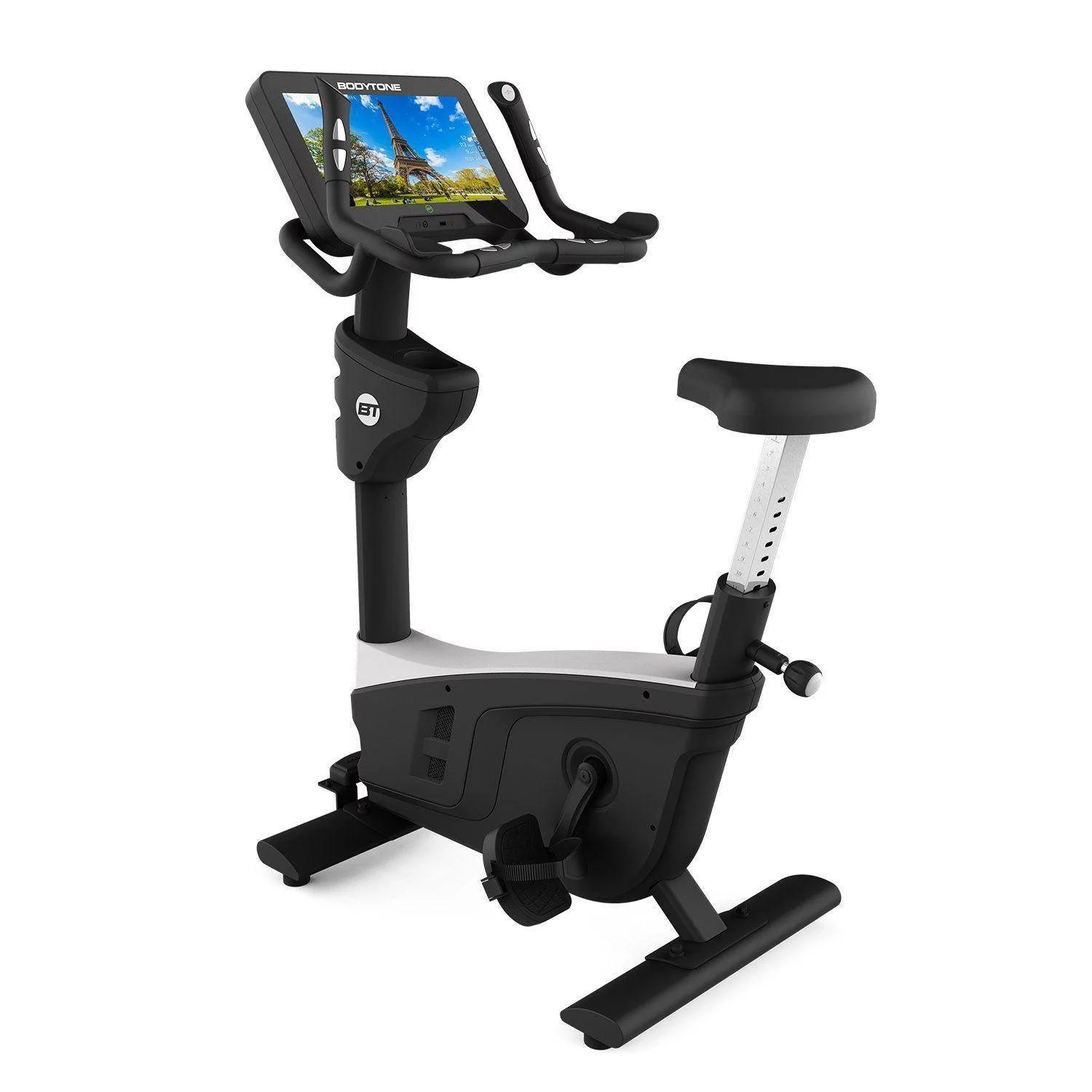
An exercise bike is the station a facility manager buys when floor space, noise and unsupervised use all have to be solved at once. It is quiet, it needs little more than its own footprint, it suits every fitness level from a first session to interval work, and it is one of the few cardio machines that a member can use badly without hurting themselves. What separates a professional bike from a consumer one is not the look of the console but the duty cycle it is built for: eight to fourteen hours of use a day, every day, for years. This guide sets out how to choose between the three families Light In Fitness supplies and what to check before signing a quotation.
Why cardio bikes earn their place in a professional facility
Cardiovascular work raises aerobic capacity, and a bike delivers it with the joints unloaded. That single characteristic is why the format survives in every kind of site. In a commercial gym it absorbs warm ups, cool downs and interval sessions without tying up a treadmill. In a hotel or residential fitness room it is the machine that gets used by guests who would not step onto anything more demanding. In a reconditioning or corporate setting it is the one piece of cardio equipment that can be programmed for a completely deconditioned user on day one.
Two features do most of the work for an operator. Adjustable resistance, so a single machine serves a beginner and a trained cyclist without any change of hardware. And a console that records the session, which is what turns a bike from a passive machine into something a member can progress on and a coach can programme against.
The three families and what each one is for
Bikes are not interchangeable. The frame decides the position, the position decides the public, and the public decides which machine belongs in your room.
| Machine | Format | Best suited to | Price excluding VAT |
|---|---|---|---|
| Xebex AirPlus | Air bike, steel frame, air resistance, freewheel function | Cross training boxes, interval and conditioning work, high intensity circuits | 1,050.00 EUR |
| Lexco LU7 | Seated professional bike | Commercial gyms, hotels, mixed publics, supported steady state work | 2,610.00 EUR |
| Lexco LR8A | Recumbent professional bike | Reconditioning, older members, long low intensity sessions, premium comfort | 5,025.00 EUR |
The Xebex AirPlus is the machine for effort that has to be produced rather than selected. Air resistance rises with the pace of the user, so there is no level to set and no ceiling to reach, and the freewheel function keeps the pedalling feel close to a real bike. The steel frame is what carries it through the abuse a cross training floor inflicts.
The Lexco LU7 is the general purpose seated bike for a commercial floor: supported, straightforward, comfortable enough that a member will stay on it for a full session. The Lexco LR8A takes the same logic further with a recumbent position, back support and a longer, lower pedalling path. It is the most expensive of the three because comfort at that level costs money, and it is the right answer wherever your public includes users who cannot or will not sit upright on a saddle for thirty minutes.
What to check before you sign
Specify indoor equipment to EN ISO 20957-1 class S. Class S is the professional class for supervised commercial use; class I is a professional class designed for inclusive access, not a higher tier above class S. A quotation that mentions class H, or describes a bike as semi professional, is priced for a different market.
Beyond the standard, four things decide whether a bike is still in service in year six. The bearing and drive assembly, which is what actually wears. The adjustment range of saddle and handlebars, which decides how many different body sizes the machine serves. The console, both for what it records and for whether spare parts will still exist. And the availability of consumables and replacement pads locally, because a bike out of service in a hotel gym is a complaint every morning.
Getting more out of the machines you install
Three points make the difference between a bike that is occupied and a bike that produces results.
Set a target before the session, because progress that is not defined cannot be measured. Vary the pedalling pattern rather than repeating one cadence and one resistance for the whole session: changing speed, resistance and position spreads load across the muscle groups and keeps the session engaging. And use the console. A machine that records the session lets a member see progression, which is the single strongest driver of retention on cardio equipment.
For an operator, a short induction covering saddle height and resistance is worth more than any additional feature. Most poor cardio experiences in a professional facility come down to a saddle set for the previous user.
Frequently asked questions
Which bike for a cross training box?
The Xebex AirPlus. Air resistance scales with the effort the athlete puts in, which is exactly what interval and conditioning work needs, and the steel frame is built for that environment.
Which bike for a hotel or residential fitness room?
A seated professional bike such as the Lexco LU7 covers the widest range of guests with the least instruction. Where your public skews older, the recumbent LR8A is the safer specification.
Upright, seated or recumbent?
Upright and air formats favour intensity, seated bikes favour general use and comfort, recumbent bikes favour back support and long low intensity sessions. Most professional rooms end up with at least two of the three.
What standard should the quotation state?
EN ISO 20957-1 class S for indoor equipment in commercial or supervised use. Ask for the declaration at tender stage rather than after delivery.
Configure your cardio floor
Tell us the size of the room, the publics you serve and the hours the equipment will run, and our technical team returns a machine by machine configuration with a detailed quotation. Browse the full range of professional exercise bikes, look at the Xebex AirPlus air bike and the Lexco LR8A recumbent bike, then request a quotation.