Physical Activity and Cardiovascular Fitness

Cardiovascular fitness is the single health outcome that members, patients and employees most often name when they walk into a facility. It is also the outcome that equipment choices influence most directly. This article sets out what regular physical activity does to the cardiovascular system, which types of exercise deliver it, what precautions belong in an induction, and what that means for anyone specifying a cardio area.
What regular activity does to the cardiovascular system
Exercise that raises the heart rate strengthens the heart and improves circulation, which in turn improves the delivery of oxygen and nutrients to the tissues and the clearance of metabolic waste. Five effects are worth stating precisely, because they are what a health-oriented programme is actually selling.
1. A stronger heart muscle
During activity the heart works harder to move blood around the body. Over time that load strengthens the cardiac muscle, which becomes more efficient: a stronger heart moves more blood per beat, which lowers the overall workload on the heart at rest and under effort.
2. Lower blood pressure
High blood pressure is a major cardiovascular risk factor. Regular activity helps reduce it by improving the condition and elasticity of the vessel walls, and it supports weight management, which contributes to the same effect.
3. Better cholesterol balance
Regular activity tends to raise high-density lipoprotein, commonly called good cholesterol, while lowering low-density lipoprotein. That shift helps maintain a healthier balance and reduces the risk of plaque forming in the arteries.
4. Improved circulation
Activity stimulates vessel dilation and improves blood flow to every organ and tissue, the heart included. Good circulation is both a result of training and one of the mechanisms through which training protects cardiovascular health.
5. Lower risk of cardiovascular disease
By improving cardiovascular condition, regular activity substantially reduces the risk of developing cardiovascular disease, including heart disease and stroke. Studies have reported up to 50 percent lower risk among people who train regularly at moderate to vigorous intensity compared with sedentary individuals.
The three types of exercise to programme
1. Aerobic exercise
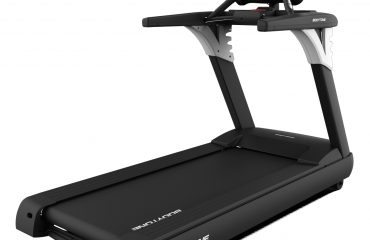
Aerobic work, commonly called cardio, raises the heart rate and the breathing rate: running, swimming, cycling, dance and group fitness classes. It is the most direct way to strengthen the heart muscle, increase lung capacity and improve circulation. In a facility, this is what the treadmills, exercise bikes and rowing machines exist to deliver.
2. Strength training
Resistance work strengthens and conditions the muscles, using free weights, machines or body weight. It supports cardiovascular health indirectly by raising resting metabolic rate, supporting weight management and improving overall body composition.
3. Stretching and mobility
Stretching and mobility work such as yoga and Pilates is not directly a cardiovascular stimulus, but it protects joints, reduces injury risk and maintains the mobility that allows people to keep training. It belongs in any complete programme.
Precautions to build into your induction
- Medical clearance: anyone with an existing health condition, or who has not trained for a long time, should consult a doctor before starting intense activity.
- Progressive start: beginners should increase intensity and duration gradually rather than starting at the level they imagine they should reach.
- Listen to the body: pain or excessive discomfort means stopping and seeking professional advice, not pushing through.
- Hydration: drink before, during and after the session.
- Appropriate kit: comfortable clothing and proper sports shoes reduce injury risk.
What this means for your cardio area
A cardio floor that serves health outcomes needs machines people will actually use at the right intensity: easy to start, comfortable at low intensity for beginners and older users, and capable of structured, adjustable resistance for fitter members. Our professional cardio equipment range is dimensioned for continuous multi-user duty under EN ISO 20957-1 class S, which is the reference class for equipment in a facility open to the public.
FAQ
How much activity is recommended? At least 150 minutes of moderate to vigorous activity per week, which can be spread across sessions of around 30 minutes, five days a week.
What are the signs of improving cardiovascular fitness? A lower resting heart rate, greater endurance, less fatigue during exercise and faster recovery afterwards.
Which exercises improve cardiovascular fitness most? Aerobic activities such as running, swimming, cycling and dance, because they raise the heart rate and improve circulation.
Can cardiovascular fitness improve without equipment? Yes. Running, jumping, burpees and body-weight strength work can be done anywhere. Equipment makes intensity easier to control and to repeat.
What are the common short-term effects of intense activity? A temporary rise in blood pressure and heart rate and a feeling of fatigue. These effects are generally temporary and settle with recovery.
When should a professional be consulted? Before starting intense activity if there are existing cardiac, joint or chronic conditions, or after a long period without exercise.
Specify your cardio area
Send us your floor plan, your ceiling height and the profile of your users, and we will propose a cardio configuration that fits. Request a quote for a costed proposal.