Tips to Optimise Your Training in the Gym
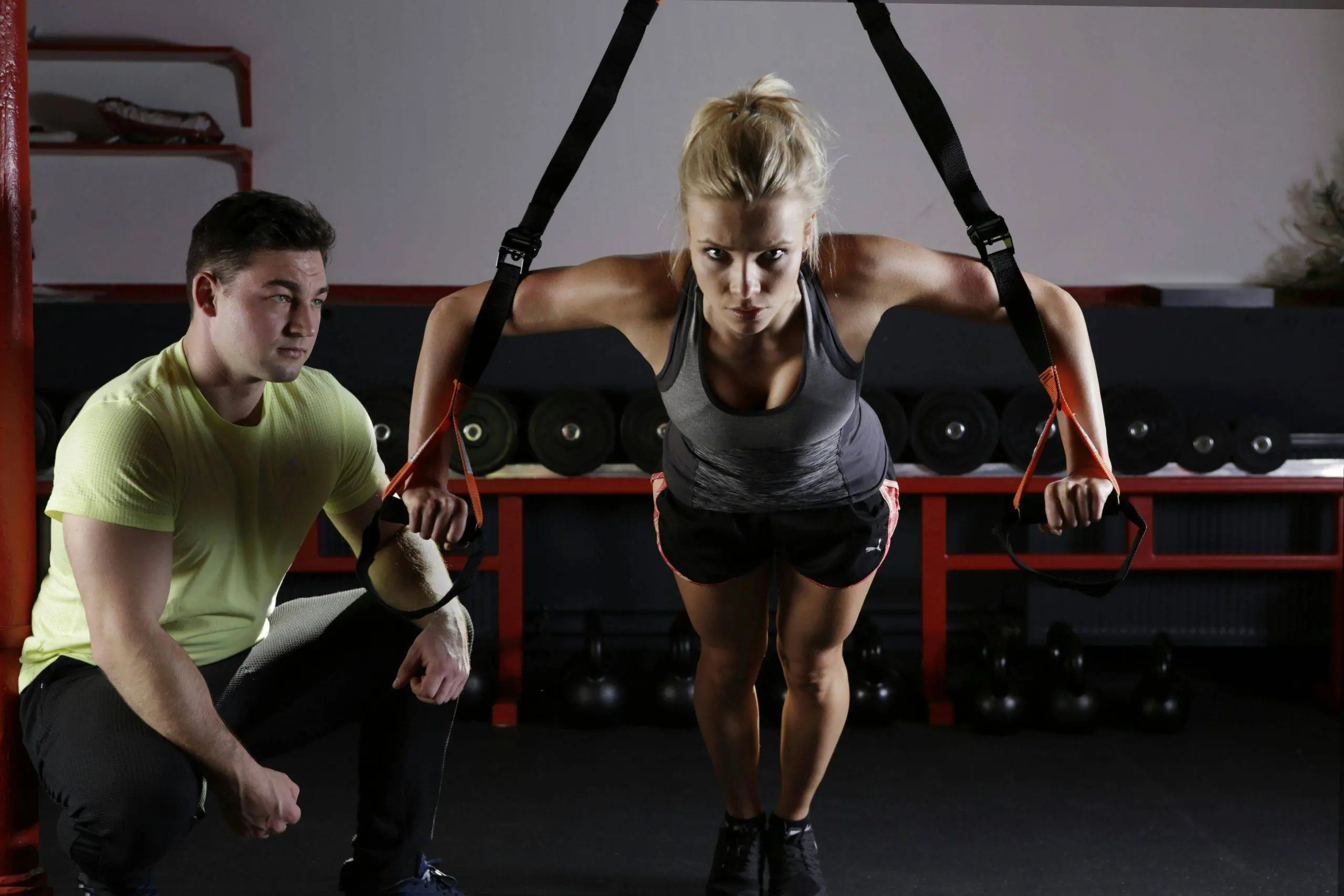
A gym is the place where progress is built, but only if the sessions that happen in it are well structured. Whether you train there yourself or you run the facility, the difference between members who stay and members who drift away usually comes down to a handful of habits. Here are the ones that make a training session count.
How to get more out of a gym session
Optimising a workout depends on several factors, from how the sessions are planned to the eating habits around them. These are the points that make the biggest difference.
Planning and tracking
Proper planning is what turns training into progress. Set clear, realistic goals and build a programme that matches your needs and your current level of fitness. Track progress regularly so the programme can be adjusted as the body adapts. For an operator, this is where a simple tracking tool or a structured induction pays for itself: members who can see progress renew.
Warm-up and stretching
Before any session, take the time to warm up properly and prepare the body for the effort. Stretching matters too, both to prevent injury and to improve flexibility. Stretch after the session as well, to support muscular recovery.
Variety in the exercises
To avoid monotony and to keep progressing, vary the exercises regularly. A balanced programme includes cardio work, resistance training and mobility, so that the whole body is trained rather than a favourite muscle group. A gym floor that offers all three in one place is what makes that variety possible.
Hydration and nutrition
Good hydration is essential during training, both for performance and for recovery. Drink enough water before, during and after the session. Alongside that, a balanced diet matched to your needs will do more for your results and your general wellbeing than any single training method.
Rest and recovery
Rest and recovery matter as much as the training itself. Take rest days so the body can recover and rebuild. Relaxation practices such as yoga or meditation are worth adding, both for mental recovery and for muscular relaxation.
Professional guidance
If you are new to the gym, or if you have specific objectives, work with a qualified coach. A coach can guide, motivate and help you reach your goals efficiently and safely, and in a commercial facility the induction session is the single most effective retention tool there is.
What the facility itself contributes
Good habits still need a floor that supports them. A warm-up needs space and machines that are free at the busiest hour; variety needs cardio, resistance and functional zones that coexist without users queueing; recovery needs somewhere to stretch that is not a corner of the free-weights area. When a member cannot follow the routine they were given, they blame the routine and then they leave.
In practice that means specifying the floor around the sessions people actually do: enough cardio equipment to absorb the evening peak, a coherent circuit of strength training machines so a full-body session runs without crossing the room twice, and the accessories that make warm-ups and mobility work possible. All our indoor equipment is certified to EN ISO 20957-1 class S for professional use.
Frequently asked questions
Why does warming up before a gym session matter?
Warming up prepares the body for the effort. It raises body temperature, improves blood flow and helps prevent muscular injury.
How long should a warm-up last?
Around 10 to 15 minutes before the session is a sound target. That is enough to prepare the body progressively for the work to come.
What are the benefits of varying the exercises?
Variety recruits different muscle groups, improves overall physical condition and prevents boredom. It also keeps progress and results moving.
How should hydration be managed during a session?
Drink water regularly throughout the session. For intense or prolonged work, energy or isotonic drinks are also an option.
Why are rest and recovery important?
Rest lets the muscles recover, rebuild and get stronger. It also helps prevent injury and improves performance over time.
How can a professional coach help?
A coach brings expertise, individual advice and motivation, which gets you to your objectives faster and more safely. A coach can also build the training programme around your needs and goals.
Conclusion
Applied consistently, these habits turn gym time into results that last. The key is regularity, motivation and persistence, on the member side and on the operator side alike.
If you are equipping or reorganising a facility so that your members can actually follow the advice above, we can help with the layout and the equipment list. Request a quote.