Modern Pentathlon: Equipping a Training Facility for Five Disciplines
Modern pentathlon asks more of a venue than almost any other sport. Five disciplines, five very different spaces, and now a sixth element as the obstacle course enters the programme. For a club committee, a federation technical director or the manager of a multi-sport centre, the question is rarely which sword an athlete should buy. It is which parts of the training environment the organisation has to build, and which parts stay with the athlete.
This article separates the two. Personal competition equipment is the athlete or the national federation side of the ledger. The training structures around it are a procurement decision, and that is where a facility either supports a pentathlon squad properly or does not.
What modern pentathlon asks of a venue
The classic five are fencing, swimming, riding, shooting and running. A club that trains all of them rarely owns all of them: pools and equestrian centres are usually shared or hired, while the hall, the strength room and the outdoor area belong to the club. The arrival of the obstacle discipline changes that balance, because an obstacle course is a structure a club can install on its own ground.
| Discipline | Athlete or federation side | Facility side |
|---|---|---|
| Fencing | Blade, mask, jacket, body wire | Piste, reels and scoring, clear run-off, shock absorbing floor |
| Swimming | Suit, goggles, cap | Pool access, poolside conditioning area, deck flooring |
| Riding | Saddle, helmet, boots | Arena and horses, usually hired from an equestrian centre |
| Shooting | Equipment per international federation rules | Range layout, target line, lighting, running loop for the combined event |
| Running | Shoes | Track or loop, treadmills for winter and testing, timing |
| Obstacle | Grip and footwear | Rig, obstacles, impact surfacing, safety zones |
The obstacle discipline: the part you can actually build
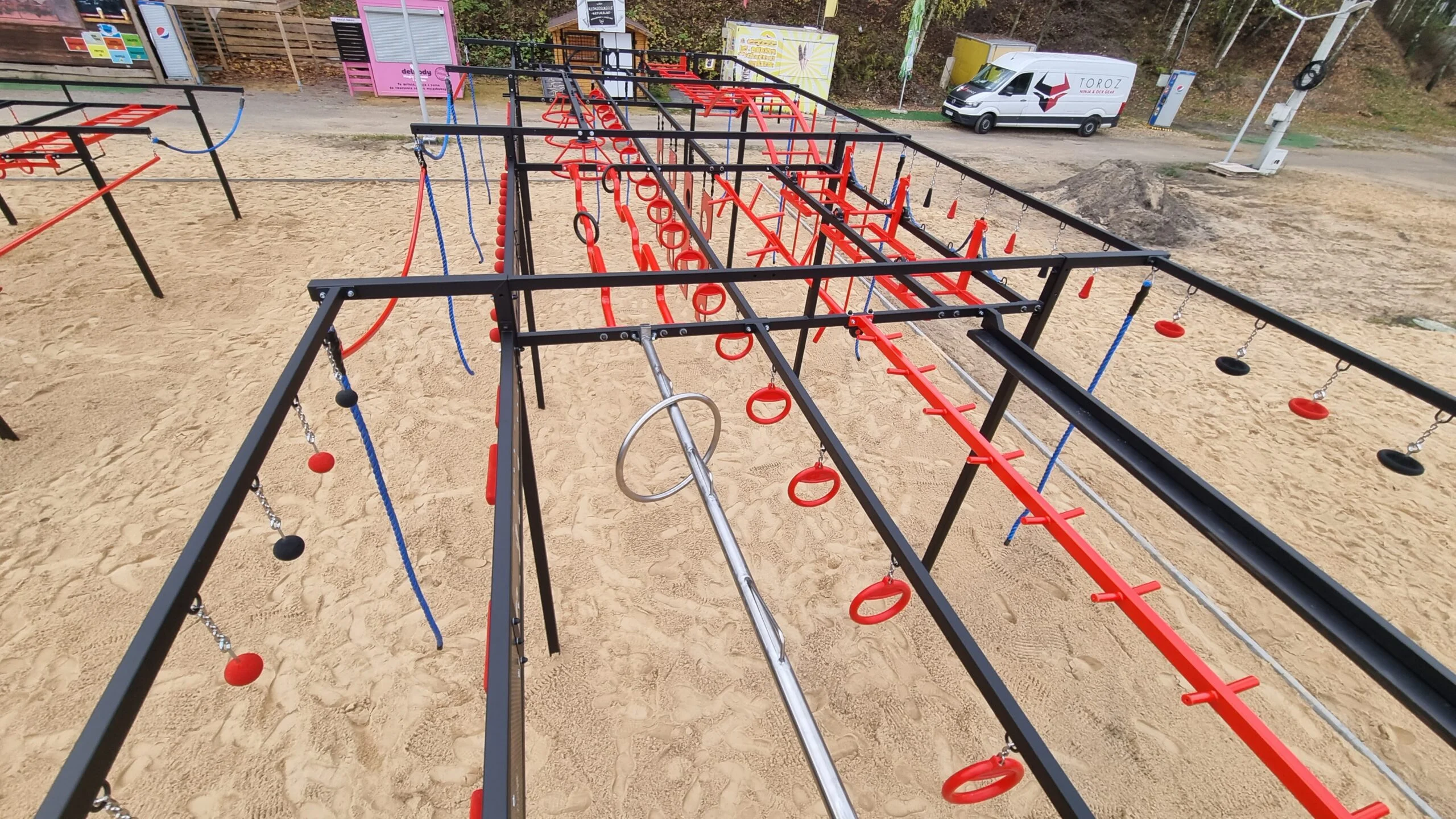
Of all six columns, the obstacle course is the one a club or a local authority can commission outright. A permanent obstacle structure gives a squad daily access to the movements the discipline tests: hanging, traversing, swinging, climbing, pulling and landing under fatigue.
Two families of structure cover most training briefs. A full OCR obstacle course reproduces a competition sequence over a run of ground and is the right answer for a club with outdoor space. A compact ninja warrior rig concentrates the same upper body and grip work into a single footprint, which suits indoor halls and sites where land is scarce.
Whatever the format, the specification points are the same: load path and anchoring, fall heights and the impact surfacing underneath, corridor widths so athletes can queue and rotate safely, and adjustability so the same structure serves a junior squad and a senior one. Outdoor adult training equipment is specified to EN 16630; where children use the same site, playground equipment follows EN 1176-1 with impact attenuating surfacing to EN 1177. Do not mix the two families of standard on one structure.
Fencing: a hall problem before it is a blade problem
A pentathlon fencing session is a one touch round robin, which means many short bouts, constant rotation and a lot of standing. The blade and the mask belong to the athlete. What the club provides is the piste and the room around it: enough run-off behind each fencer, a floor that absorbs repeated lunges without punishing the knees, and storage so kit is not spread across the hall.
Modern masks are designed to resist impact while keeping visibility, and are ventilated for comfort over long sessions. That is the athlete side. The facility side is ventilation of the hall itself, drying space for kit, and a floor that does not turn slick as the session goes on.
Swimming: what happens outside the water
Pool time is almost always hired. The training value a club adds is on the deck and in the gym: shoulder and trunk preparation before the session, mobility work after it, and a dryland area that can be set up in minutes. Hydrodynamic suits and well fitted goggles reduce drag and keep the athlete focused on the swim, but they belong to the athlete and are governed by competition rules, not by the venue.
Riding: the discipline you host rather than own
Riding is trained at an equestrian centre. Saddles designed for the discipline optimise the rider position and stability, using light and durable materials, flexible trees that absorb shock, padded panels for fit and deep flaps for grip. A club rarely buys these; it negotiates access, and it prepares the rider physically in its own strength room.
Shooting and running: the combined event
Shooting is trained in combination with running, which makes the layout of the range and the running loop the decisive facility question: distance from the target line to the turn, surface underfoot, lighting, and a safe crossing between the two. Equipment used for the shooting phase follows the rules of the international federation and of the national federation that sanctions the competition, and should be confirmed with them rather than assumed.
For the running side, an outdoor loop is ideal and a bank of professional treadmills covers winter, testing protocols and controlled interval work. Specify machines to EN ISO 20957-1 class S: a pentathlon squad will run a commercial duty cycle on them.
The strength room that underpins all five
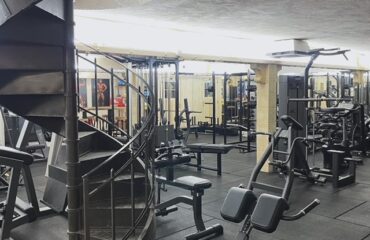
Every discipline in the pentathlon draws on the same physical base: pulling and grip strength for the obstacle course and for riding, trunk stability for fencing and shooting, leg drive for running and swimming starts. A functional area with a rig, free weights and floor space is what makes the rest of the programme survivable across a season. A functional training rig gives a squad pull-up stations, suspension anchors and storage in one structure, which matters when a hall has to be cleared for other users.
Frequently asked questions
Does a pentathlon club need its own obstacle course? It is the single structure that changes daily training the most, because the discipline is new to most squads and access elsewhere is limited. It is also the one a club can own outright.
Indoor rig or outdoor course? Outdoor gives the full sequence and the competition feel. Indoor gives year round access and easier supervision. Clubs with the space often build both, with the rig used for technical and strength work and the course for full runs.
Which standard applies to an outdoor training structure? EN 16630 for outdoor adult fitness equipment. If children train on the same site, their equipment falls under EN 1176-1 and its surfacing under EN 1177.
Can a multi-sport centre host a pentathlon squad without a pool? Yes, and most do. Pool and equestrian time are hired. What the centre must own is the hall, the strength area and, increasingly, the obstacle structure.
Building the base
A pentathlon programme is only as strong as the environment it trains in. Start with what the organisation can control: an obstacle structure sized to the ground you have, a strength area that serves all five disciplines, and cardio equipment rated for club duty. Request a quote and our team will size the structures against your site plan and your squad numbers.