Lower back strengthening: complete guide to a strong, healthy back

Introduction
Strengthening the lower back is essential to keeping a back strong and healthy. The muscles of the lumbar region play a decisive role in spinal stability and in preventing injury. This guide sets out the techniques, the exercises and the practical advice that matter, and, for anyone equipping a facility, what a back and core zone needs to contain.
What lumbar strengthening actually covers
Lumbar strengthening means working the muscles of the lower back region, including the paravertebral muscles, the abdominal muscles and the glutes. Together they maintain posture, stabilise the spine and help prevent lower back pain. Treating them as one group rather than as an isolated muscle is what makes a programme, and an equipment list, coherent.
Techniques that work
Several approaches are effective. Strength exercises such as deadlifts, back extensions and lunges are excellent for targeting the lower back specifically. Pilates and yoga also strengthen the lumbar muscles while improving flexibility and spinal mobility, which is why studios increasingly run both offers side by side. On the equipment side, our Pilates reformers serve exactly that mixed programming.
Three core exercises
1. Deadlift. Strengthens the lower back, the glutes and the hamstrings. Start with a light load and hold good form throughout the movement.
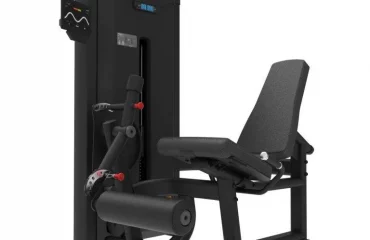
2. Back extension. Lying face down, lift the chest gently off the floor using the lower back muscles. Hold the position for a few seconds before returning. On a gym floor this is done on a dedicated station, which controls the range and lets load be added progressively: our reference is the Power Line back extension station.
3. Lunges. Lunges strengthen the lumbar region while improving balance and stability. Alternate legs for complete work.
Advice for effective strengthening
- Consult a healthcare professional before starting a lumbar strengthening programme.
- Start slowly and progress gradually to avoid injury.
- Listen to your body and stop if you feel pain or discomfort.
- Stay hydrated and well nourished to get the most out of training.
Equipping a back and core zone
For an operator, the section above translates into a short equipment list. A back extension or hyperextension station covers the guided version of the movement for every level. A rack and a bar cover the deadlift for members who train with free weights. Mats and functional accessories cover floor work, stretching and the Pilates and yoga formats. A guided strength line, listed under strength training machines, covers the assisted versions for beginners, older members and anyone returning from injury.
Two specification points apply to the whole zone. Indoor equipment in a facility open to users must be built to EN ISO 20957-1 class S. And the adjustment range of a back station matters more here than almost anywhere else, because pad position relative to the hip determines whether the exercise loads the lumbar muscles or the wrong joint entirely.
FAQs
What are the benefits of lumbar strengthening?
Strengthening the lumbar muscles can help prevent injury, improve posture and relieve lower back pain.
How often should lumbar exercises be done?
At least two to three times per week is the usual recommendation.
Can lumbar work be done without machines?
Yes. Several simple exercises, including floor back extensions and lunges, need no equipment at all, which is useful for members between sessions and for facilities with a small floor.
Is lumbar strengthening safe for everyone?
It is important to consult a healthcare professional before starting a lumbar strengthening programme, particularly with a pre existing back condition.
Does stretching matter?
Yes. Stretching helps improve the flexibility of the lumbar muscles and prevent injury.
How long before results appear?
Results vary with the frequency of training, the intensity and each individual level of fitness. In general, results can be seen within a few weeks to a few months.
Conclusion
Lumbar strengthening is essential to a strong, healthy back. Combining strength exercises, stretching and good nutrition strengthens the lumbar muscles and helps prevent injury. Consult a healthcare professional before starting any training programme and listen to your body to avoid injury. With patience and persistence, back health improves and daily comfort follows.
If you are specifying the back and core zone of a club, a rehabilitation centre, a corporate room or a municipal facility, send us the space and the audience and we will propose an equipment list and a layout: request a quote.