How to Choose the Best Strength Training Machines for Your Gym
Fitting out a gym floor starts with a simple question: what do your members actually come to train? The choice of strength training machines on the market is wide enough to make the decision difficult, and the right answer depends far less on brand names than on the muscle groups you need to cover, the profile of your users and the throughput your facility has to absorb. This guide sets out the criteria a professional buyer should apply before signing off on a strength equipment package.
Start with muscle groups and training goals
Before comparing frames and weight stacks, define what each zone of the floor is for. Members training the abdominals look for adjustable incline benches, ab handles and cardio machines used for abdominal circuits. A glute-focused area calls for squat stations and steppers. Members who want balanced full-body development are best served by multifunction benches and multi-station units that let several muscle groups be worked in a single session and within a single footprint.
Multi-station units: the most space-efficient answer
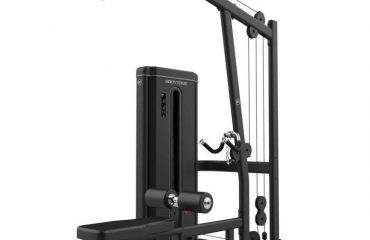
Multi-station gyms and multifunction benches typically combine pulleys, cable attachments and guided weight stacks, and that is what gives them their exercise variety. For an operator, the variety translates into two concrete benefits: fewer machines standing idle at off-peak hours, and a shorter circuit for members who train on a tight schedule. Compare the configurations across the full range of professional strength training machines.
Free weights and pull-up bars still earn their place
Dumbbells remain the most direct way to load one muscle at a time and to correct strength imbalances between sides. Pull-up bars recruit the upper body and need almost no floor space. A free-weight area costs less per training station than a machine line and is what experienced members expect to find, so it normally sits alongside the guided equipment rather than replacing it.
Guided-load machines for beginners and supervised sessions
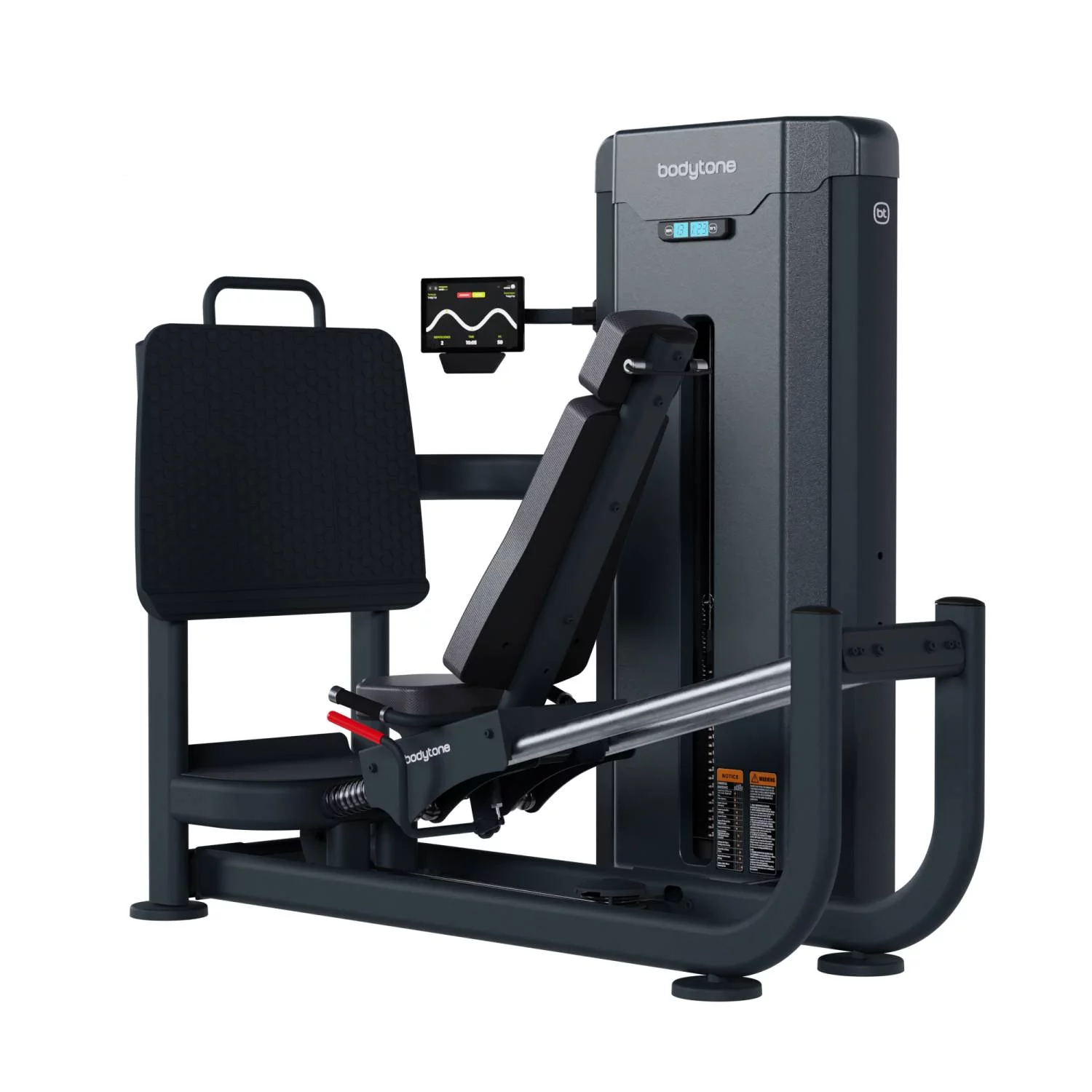
Beginners are the population most exposed to injury, and guided-load machines are the usual answer: the movement path is constrained, the settings are explicit, and a coach can hand a machine over after a short briefing. If your facility employs floor coaches, involve them in the selection. They are the ones who will explain the adjustments day after day, and they know which machines generate questions and which do not.
Cardio equipment alongside the strength line
Exercise bikes, cross trainers and rowing machines complete a strength floor by covering calorie expenditure and general conditioning. The same equipment is what smaller satellite sites are usually built around, from hotel fitness rooms to residential gyms and care facilities, because a compact cardio line delivers usable training for a very mixed population. Electro-stimulation devices are also widely used for muscle toning and in rehabilitation work. See the professional cardio equipment range.
Safety, adjustability and build quality
Whatever the category, two checks matter before purchase. The first is adjustability: seats, pads and lever arms must accommodate the full range of body sizes and strength levels that will use the machine. The second is structural integrity: joints, welds, bearings and fixings determine how a machine behaves after several years of continuous service. On a commercial floor a machine is loaded dozens of times a day by users who did not buy it and will not maintain it, which is exactly why frame quality is not a detail. Light In Fitness backs its steel structures with warranties of up to 20 years and its stainless steel for life.
Frequently asked questions
How many strength machines does a gym floor need?
There is no universal figure. It depends on the surface available, the number of members and the peak-hour attendance you have to absorb. Send us the floor plan and the expected traffic and we will size the line with you.
Should I start with guided machines or free weights?
Guided machines first if your membership includes a large share of beginners or supervised rehabilitation work, since they limit the consequences of poor execution. Free weights first if your positioning is strength or cross-training oriented and your members already train unsupervised.
Are multifunction units enough on their own?
They cover a lot of ground and are an efficient starting point in a constrained space, but they create a queue at peak hours. Above a certain membership, dedicated single-station machines such as the SRX30 Biceps Curl are what keep the circuit moving.
Building your equipment list
The best strength training machines are the ones that match your goals, your users and your floor plan, not the ones with the longest specification sheet. Light In Fitness has equipped more than 2,500 customers since 2013 and can build the list with you, zone by zone. Request a quote with your dimensions and your membership profile.