Hotel Gym Equipment Suppliers: Choosing Compact Professional Kit
Une salle de sport d'hôtel répond à un cahier des charges distinct d'un club : surface réduite, silence, esthétique et prise en main immédiate. Le matériel doit être professionnel pour tenir la fréquentation, mais compact et sans réglage complexe. L'encombrement au sol et le niveau sonore priment sur le nombre de fonctions.
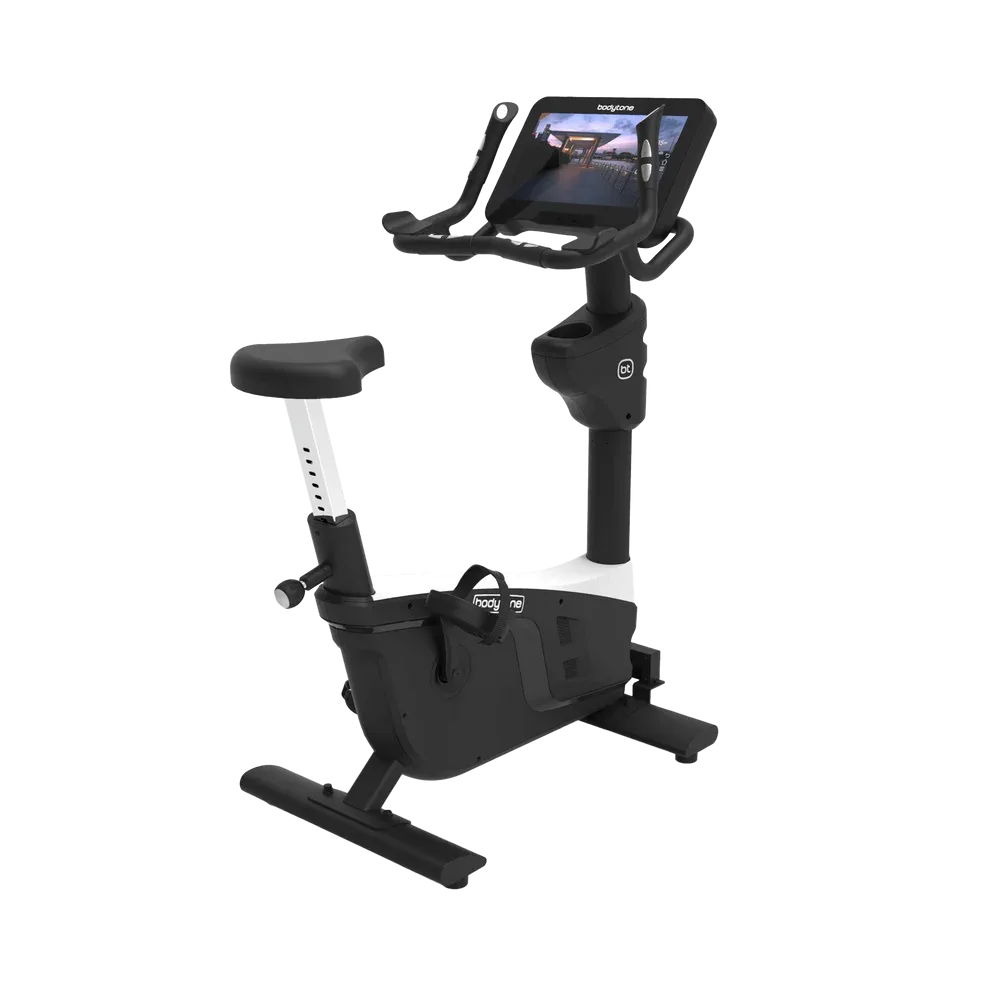
A hotel fitness room answers a brief of its own. It is not a scaled-down club: the floor area is small, the room usually sits close to guest bedrooms, and the people using it are occasional visitors who will not ask how a machine works. The equipment still has to be professional to survive constant, unsupervised use, but it must be compact, quiet and immediately obvious to operate. Footprint and noise matter more than the number of exercises on a chart.
That is why choosing a supplier for a hotel is a different exercise from choosing one for a gym. The right partner is the one who can deliver a complete, coherent room inside your constraints of surface, access and acoustics, not simply the one with the longest machine list.
What separates a good supplier for hotels
For a hotel, supplier quality shows in project management, not in the catalogue. Five criteria carry most of the decision:
- Compact design thinking: versatile machines, controlled ground footprint, and circulation space that still works when three guests arrive at once.
- Comfort and quiet running: stable frames, good bearings, effective deck cushioning, and accessories chosen so nothing rattles.
- Visual coherence: finishes that sit comfortably inside the identity of the property rather than fighting it.
- Delivery and installation: handling through the real access route, levelling, assembly, setting up and commissioning.
- Warranty and after-sales: spare parts, response procedure, diagnostics, and the ability to keep the room open.
The last point is the one operators underestimate. A hotel fitness room that is half out of service is a visible defect on every review platform, so continuity of service is part of the purchase, not an extra.
Compact packages that genuinely work in a hotel
The classic mistake is overfilling the room. In hospitality a good package is small but complete. Two configurations cover most properties.
The essential package, for a small room
- One or two compact cardio machines
- One adjustable bench with a dumbbell set and rack
- Resistance bands, mats, a rope and light kettlebells
The compact premium package, for a more versatile room
- Two to four cardio machines, a short but high quality line-up
- One functional cable station or multi-station, which saves considerable floor area
- One adjustable bench, a dumbbell set and proper storage
Both start from the same two families: professional cardio equipment and strength training machines. In a hotel, versatility and ease of use outrank specification. A simple, intuitive machine earns its floor space; a complex one that guests avoid does not.
Compact cardio: choosing by floor area
Cardio is the most used zone in hospitality, and the one where footprint decisions are made. Keep the selection short and the formats tight.
- Upright or recumbent bike: the best ratio of footprint to usage, and the quietest option in most rooms.
- Rower: excellent full-body coverage, but allow for the length in use as well as the storage position.
- Treadmill: the strongest driver of guest satisfaction, on condition that noise and vibration are properly controlled.
- Cross trainer: comfortable and low impact, though the footprint varies considerably between models.
A short line-up of four well-chosen machines will always read better than eight crowded ones.
Strength training without the footprint
The aim is not to rebuild a weights room. It is to cover the widest range of exercises for the smallest ground footprint while staying professional.
- An adjustable bench: one good bench unlocks dozens of exercises.
- A dumbbell set with a rack: storage is safety and tidiness at the same time.
- A cable station or multi-station: full-body work without heavy free weights.
- Accessories: bands, medicine balls, kettlebells and mats.
Avoid layouts that invite heavy weights to be dropped. Guided solutions, cable resistance and sensible dumbbell weights with protective storage give you the training range without the noise complaints or the damage to the structure.
Flooring, noise and vibration: the critical point
In hospitality, noise is the main source of complaint: impact, vibration and transmission through the structure into bedrooms. The floor is therefore a piece of equipment in its own right, not a finishing touch.
- Specify a sports floor matched to the actual use, whether that is cardio, dumbbells or limited impact work
- Define a dedicated impact zone if you need one, and keep heavy loads out of the rest of the room
- Use racks and storage so nothing is set down directly on the floor
- Position the noisiest machines away from bedrooms wherever the plan allows
Getting this right at specification stage is far cheaper than retrofitting it after the first complaints. The relevant range is rubber gym flooring, selected by thickness and use rather than by appearance alone.
What to send a supplier for a useful quote
The precision of the proposal you receive is a direct function of the brief you send. Include:
- Floor area and a plan, with dimensions, circulation and socket positions
- Ceiling height, access route, lift or stairs, and door widths
- Noise and vibration constraints, and what sits below or beside the room
- Property standing, whether 3, 4 or 5 star, guest profile, and opening hours
- Indicative budget and expected level of finish
- Your priorities in plain words: compact, premium appearance, minimal maintenance
Frequently asked questions
Which supplier is best for a hotel fitness room?
The one that delivers a coherent, compact solution designed for hotel constraints, with delivery and installation, clear warranty terms, and after-sales support able to keep the equipment available. The service is worth as much as the hardware.
What compact equipment suits a hotel room of 20 to 60 square metres?
Compact cardio such as a bike, a rower, or a treadmill with good cushioning where the environment allows it, plus a functional cable station or multi-station, an adjustable bench, a dumbbell set with a rack, and a few accessories: mats, bands and kettlebells. The goal is to maximise usage without overloading the space.
How do you reduce noise and vibration in a hotel fitness room?
Choose a sports floor matched to the use, limit heavy free weights, favour stable equipment and accessories with protective coverings, and place cardio and impact zones away from bedrooms wherever that is possible.
What information should be given to a supplier?
Floor area and plan, ceiling height, access by stairs or lift, proximity to bedrooms, budget, expected standing of 3, 4 or 5 star, guest profile, and noise or flooring constraints. Add your aesthetic preferences and the opening hours of the room.
Specifying your hotel fitness room
A hotel fitness room is a small project with tight constraints, and it rewards a brief rather than a shopping list. Send the plan, the access route and the acoustic context, and ask for a layout before you ask for prices. To have a compact hotel configuration drawn up around your own floor area, use the quotation request page.
Réalisations documentées
- Dalles et sols sportifs : livraisons documentées – plusieurs chantiers
- Sol sportif extérieur, square Georges-Vallerey – Taverny (95)