Does Fasted Cardio Burn Belly Fat Better?

Fasted cardio, meaning aerobic work performed in the morning before eating, is one of the questions coaches and gym staff are asked most often. The promise is appealing: train before breakfast and the body burns more fat, especially around the abdomen. The evidence is more nuanced than the promise. Here is what the practice rests on, what research actually shows, what the risks are, and how to answer a member who asks.
What fasted cardio is based on
The underlying idea
After a night without food, glycogen stores in the liver and muscles are lower. The reasoning is that the body will therefore draw more readily on stored fat as an energy source during exercise, which would in theory increase fat oxidation, including fat stored in the abdominal region.
The claimed benefits
- Fat as fuel: with less carbohydrate available, the body may burn a greater proportion of fat during the session.
- Insulin sensitivity: fasting may improve the body response to insulin, which supports better fat management.
- Time efficiency: training first thing removes the need to plan a meal around the session and gets it done before the day fills up.
What the research shows
Fat oxidation
Several studies have examined fat oxidation during fasted exercise. Some report a modest increase in fat mobilisation when the session is performed fasted, although the results are not consistently significant. A 2016 study did find higher fat oxidation in subjects who trained fasted compared with subjects who ate beforehand.
Weight loss and abdominal fat
Losing weight and losing abdominal fat depend on many factors: the intensity and duration of the exercise, the overall composition of the diet and, above all, the energy balance across the week. Research suggests that while fasted cardio can contribute to fat loss, it is not necessarily superior to other approaches for reducing abdominal fat specifically. What burns during a single session matters less than what is eaten and trained over a month.
Risks and drawbacks
Health risks
Training fasted carries real risks: loss of muscle mass, reduced performance during the session and, for sensitive individuals or those with medical conditions, a risk of hypoglycaemia. Anyone with an existing condition should speak to a health professional before adopting the practice, and any facility promoting it should say so plainly.
Effect on metabolism
Some specialists caution that repeated fasted work can reduce resting metabolic rate if it costs muscle mass. Maintaining lean mass is what keeps long-term energy expenditure high, so a protocol that erodes muscle undermines the goal it was adopted for.
Who it suits
Trained athletes and regular exercisers
Athletes and well-conditioned members may find short-term benefit in fasted work, particularly for endurance adaptation and fat metabolism. It is conditional on adequate recovery and sufficient nutrition across the rest of the day.
Members training for general weight loss
For general weight management, fasted cardio is one option among several. The priority remains a balanced diet and a complete training programme combining aerobic work and resistance training. A member who trains fasted but eats poorly will not progress; a member who trains fed and eats well usually will.
What this means for your facility
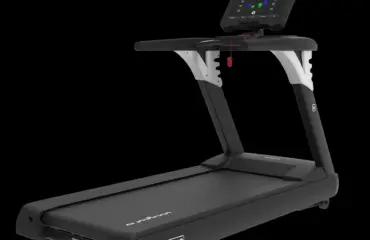
Early-morning sessions concentrate demand on the cardio area at opening, which is a specification question as much as a coaching one. Machines that start easily, hold a steady low-to-moderate intensity and record the session are what these members use. Our professional cardio equipment, including treadmills and cross-trainers, is dimensioned for continuous multi-user duty under EN ISO 20957-1 class S.
FAQ
Is fasted cardio safe? For most healthy people, yes, provided they watch for signs of hypoglycaemia. Anyone with a pre-existing medical condition should consult a health professional first.
How long before results appear? Results vary between individuals. Regular practice of at least 30 minutes, three to four times a week, is generally recommended before any effect can be judged.
Can I drink water or coffee beforehand? Water is recommended, for hydration. Coffee can also be taken and may support fat oxidation.
Should a gym recommend it to everyone? No. It is one protocol among several and it does not suit every member profile, particularly beginners and members with medical conditions.
Equip your cardio area
If early-morning attendance is putting pressure on your cardio zone, send us your floor plan and your peak-hour numbers. Request a quote and we will propose a configuration sized for it.