Cardio Training for Fitness Professionals
Le cardio-training améliore l'efficacité cardiaque et la capacité du système circulatoire, avec des effets documentés sur la santé métabolique. En salle, il repose sur quatre familles de machines : tapis, vélos, elliptiques et rameurs. Le dimensionnement du parc se fait sur les pics de fréquentation, pas sur la moyenne.
Cardio training improves cardiac efficiency and the capacity of the circulatory system, with documented effects on metabolic health. On a commercial floor it rests on four machine families: treadmills, bikes, cross-trainers and rowers. The size of that fleet is set by peak attendance, not by the average.
Cardio training is a form of exercise that improves cardiovascular health by raising heart rate and breathing. It covers a variety of activities such as running, cycling, cross-training, swimming and skipping. Its benefits are numerous: better blood circulation, improved lung function and a reduced risk of cardiovascular disease. For an operator, those benefits are the reason members join and the reason they stay, which makes the cardio zone the most exposed part of the floor.
The cardio machines used on a professional floor
Here are the pieces of cardio equipment most commonly used, and what each one contributes to a commercial line-up.
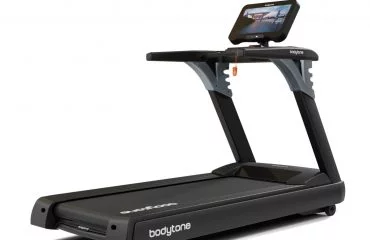
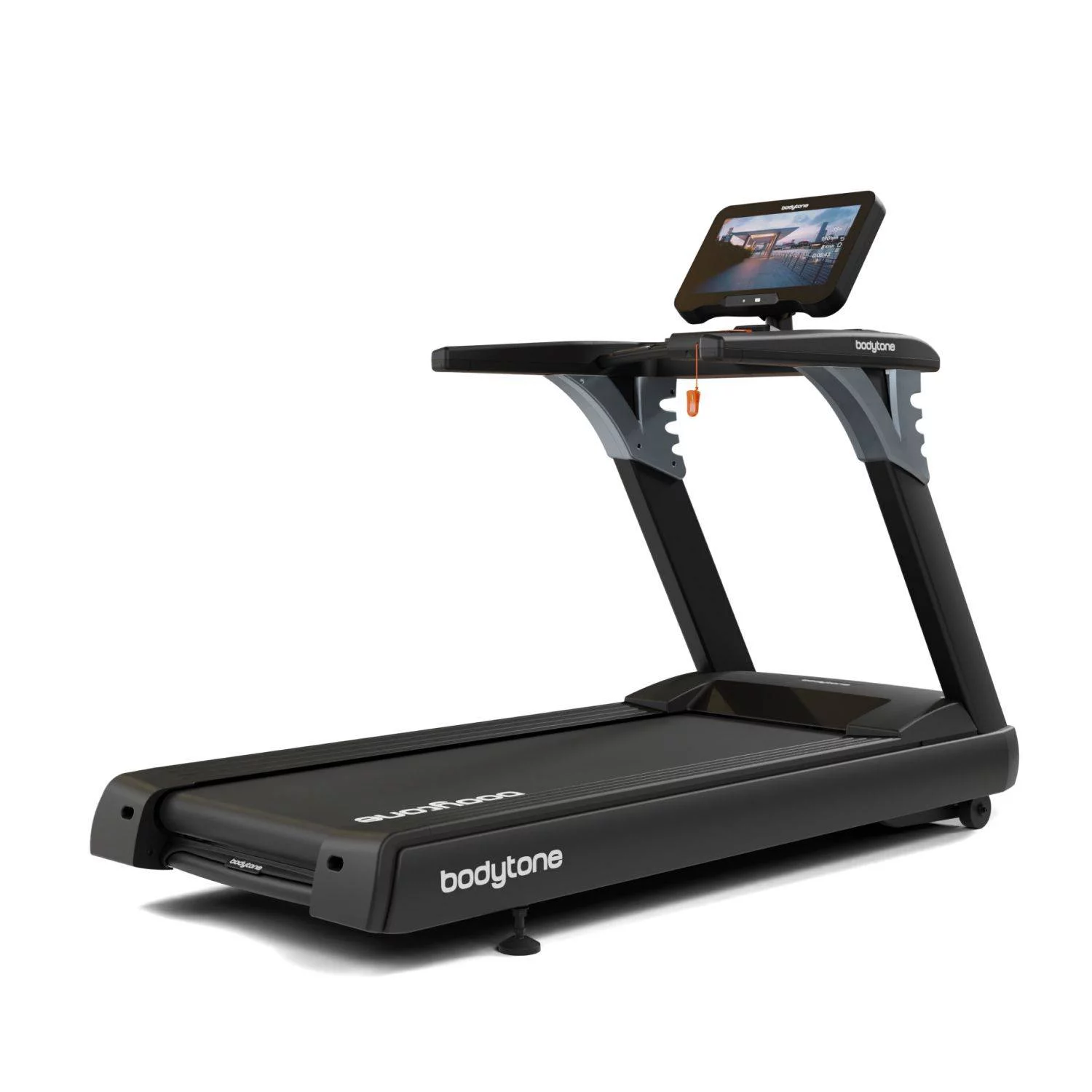
- Treadmills. The treadmill is one of the most popular pieces of cardio equipment. It reproduces running indoors and burns calories while improving cardiovascular health. It is also the machine with the highest duty cycle in most clubs, which is why the deck, the motor and the frame have to be specified for continuous commercial use.
- Exercise bikes. The exercise bike is an excellent way to improve cardiovascular health while remaining easy on the joints. It burns calories and strengthens the leg muscles, and its low-impact profile makes it the default choice for hotel gyms, rehabilitation centres and older member populations.
- Rowing machines. The rower is a piece of cardio equipment that works the whole body. It helps burn calories, improves cardiovascular health and strengthens the muscles, and it takes up little floor space relative to the work it delivers.
- Cross-trainers. The cross-trainer reproduces the running action with less impact on the joints. It helps burn calories and improves cardiovascular health, and it is the natural companion to the treadmill in a mixed-ability club.
- Stair climbers. The stair climber imitates climbing stairs. It is excellent for burning calories, strengthening the leg muscles and improving cardiovascular health, and it adds intensity to a floor that is otherwise dominated by seated work.
- Skipping ropes. The skipping rope is simple but effective cardio equipment that burns calories and improves cardiovascular health. It is also portable and inexpensive, which makes it useful for class formats and for warm-up areas where machines are not practical.
Choosing the right mix
Cardio training can be practised in different ways and with different equipment. What matters is choosing the machines that suit the fitness level and the preferences of the people using them. Added as a regular routine, cardio training considerably improves cardiovascular health and overall physical condition.
For a professional buyer the choice is a question of proportion rather than preference. A club with a young, mixed membership leans towards treadmills and rowers; a hotel or a residential facility leans towards bikes and cross-trainers; a rehabilitation centre needs low-impact machines with accessible entry and clear consoles. All of them require equipment specified to EN ISO 20957-1 class S, because continuous use over the opening day is the norm, not the exception.
Sizing the cardio zone
| Machine family | Main contribution | Planning note |
|---|---|---|
| Treadmill | Indoor running, high calorie burn | Highest duty cycle, plan the deepest reserve of units |
| Exercise bike | Cardiovascular work, easy on the joints | Suits mixed and older populations, compact footprint |
| Rower | Full-body work | Strong work-to-floor-space ratio |
| Cross-trainer | Running action with less impact | Complements the treadmill line |
| Stair climber | Climbing action, leg strength | Adds intensity to a standing zone |
The number of units in each family should be calculated on peak attendance rather than on the daily average. A floor sized on the average looks efficient on a spreadsheet and produces queues at six in the evening, which is precisely when members decide whether to renew.
Frequently asked questions
Which cardio machine should a club buy first?
The treadmill, in most cases: it is the most popular machine and the one members look for first. The rest of the mix then follows from the profile of your membership.
How many cardio machines does a gym need?
Size the fleet on peak attendance rather than on the average number of visits, since the peak determines whether members wait.
Which machines suit joint-sensitive users?
Exercise bikes and cross-trainers, as both deliver cardiovascular work with less impact on the joints than running.
Building your cardio specification
A cardio zone is not a shopping list, it is a ratio between machine families sized against how your facility actually fills up. Tell us the surface area, the membership profile and your peak hours, and we will put a costed cardio line-up in front of you. Request a quote for a specification built around your floor.