Professional Cardio Equipment: Building a Cardio Floor That Pays
Un parc cardio professionnel se juge sur le taux de disponibilité des machines, pas sur le nombre de programmes embarqués. Les postes de dépense réelle sont la maintenance, les pièces d'usure et les immobilisations, tous déterminés au moment du choix des gammes. Light In Fitness sélectionne ses cardios sur ces critères et assure livraison, montage et SAV.
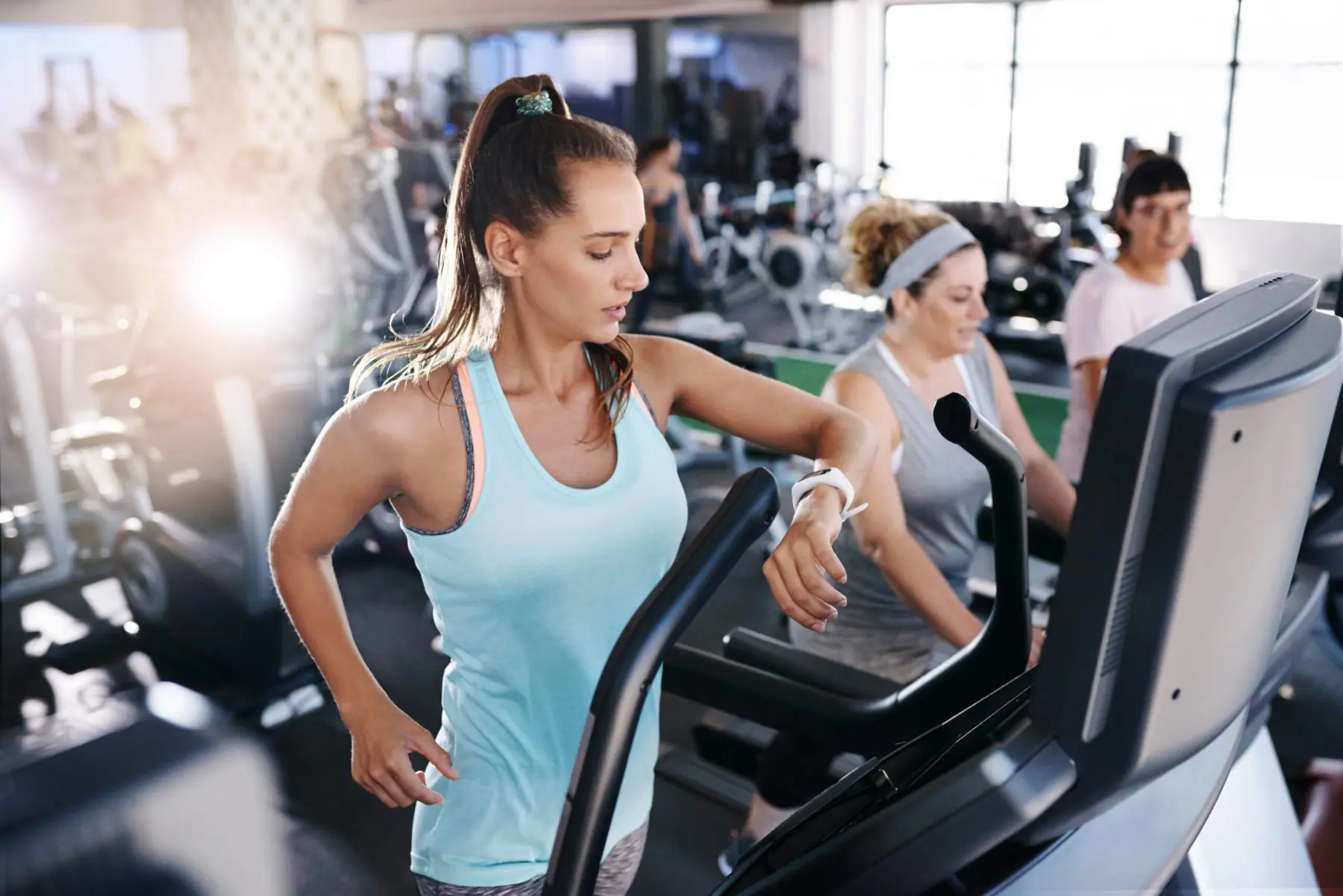
A professional cardio floor is the engine of a profitable facility. It attracts, it retains, it keeps traffic moving, and it makes progress measurable for members. It is also one of the easiest budget lines to get wrong, and the mistakes are expensive: breakdowns, undersized machines, an awkward layout, a mediocre member experience. This guide sets out how to select, size, install and maintain a cardio floor that still works in year five.
1. The questions buyers actually ask
Before any purchase, the same questions come back from gym owners, hoteliers, studio operators and local authorities:
- Which cardio machines are essential for the facility to be attractive at all?
- How do I protect myself against breakdowns and secure servicing and spare parts?
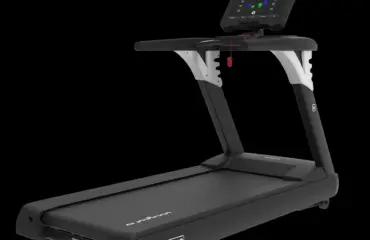
- Motorised or curved treadmill, and what does the difference mean for my members?
- Upright, recumbent or indoor cycling bike: which one for which audience?
- Which console features are genuinely useful and which are gadgets?
- Which standard actually certifies that a machine is built for professional use?
- How do I lay out the cardio zone so it runs without friction: traffic flow, noise, flooring, power supply?
- How many machines, and which ones, for my floor area and my peak hours?
2. A method for choosing without regrets
Six steps remove most of the risk from a cardio purchase.
- Identify your audience, your objectives and your peak attendance. The cardio zone has to absorb the busiest hour, not the average one.
- Measure the floor area and the constraints: electrical supply, noise transmission, ventilation, delivery access.
- Plan the layout: circulation, entry and exit points, service access behind the machines, and a coherent route through the zone.
- Assure compliance and safety: for stationary indoor training equipment the reference is the EN ISO 20957 series, and professional use means class S.
- Commission properly: selection, delivery, installation and setup adjusted to your real user population.
- Sustain it: preventive and corrective maintenance, wear parts and technician availability. In a commercial setting this is what decides the true cost of the fleet.
3. What makes a cardio machine professional
A professional cardio machine is not simply a better looking one. It is built to run every day, with different users, without becoming a source of stress.
- Structure and durability: reinforced steel frame, industrial-grade components, designed for intensive use.
- Ergonomics: a natural movement path, respect for the joints, and adjustments that are quick and obvious.
- Console and data: the essentials first, meaning time, distance, cadence, heart rate and watts where the machine measures them, with connectivity only where it is used.
- Comfort and safety: stability, controlled range of motion, easy mounting and dismounting, intuitive operation.
- Certification: EN ISO 20957-1 class S is the professional class for indoor equipment. Class I is the professional class for inclusive access, not a level above class S.
- Serviceability: access to wear parts, a clear maintenance schedule, and a technician who can actually attend.
The detail most projects forget: the floor under the cardio
Under a cardio row you want stability, slip resistance, noise and vibration control, and easy cleaning. Treadmills in particular transmit impact into the structure, which becomes a complaint from the floor below long before it becomes a technical problem. Specify the rubber gym flooring with the machines, and carry any specified fire classification through to the product installed.
4. Comparison tables
Motorised treadmill or curved treadmill
| Option | Strength | Best for | Watch out for |
|---|---|---|---|
| Motorised treadmill | Accessible to everyone, progressive walking and running, built-in programmes | Hotels, corporate rooms, mainstream clubs | Dedicated power supply and belt or deck servicing depending on the model |
| Curved treadmill | Performance focused, athletic feel, no motor | HIIT studios, performance zones, cross-training | More demanding, not suited to every audience |
Upright, recumbent or indoor cycling bike
| Type | Member benefit | Who it suits | Specification tip |
|---|---|---|---|
| Upright bike | Simple, effective, accessible health-oriented cardio | All audiences, hotels, corporate facilities | Choose a clear console and fast adjustments |
| Recumbent bike | Comfortable and reassuring, ideal for return to activity | Health, rehabilitation, older members, premium comfort | The right answer when your audience does not want to suffer |
| Indoor cycling bike | Intensity, group classes, watts and cadence where fitted | Studios, clubs, cycling class programmes | Prioritise smooth resistance and saddle and handlebar adjustment |
Cross trainer, rowing machine, stair climber or air bike
| Machine | Why members like it | Best for | Watch out for |
|---|---|---|---|
| Cross trainer | Full-body cardio that is gentle on the joints | Mainstream audiences, hotels, premium facilities | Stride length and ergonomics |
| Rowing machine | Full body, high energy expenditure, performance feel | Studios, clubs, training zones | Technique and noise, depending on the resistance system |
| Stair climber | Intensity, legs and glutes, fast cardiovascular effect | Clubs, premium and performance zones | Placement and safe mounting and dismounting |
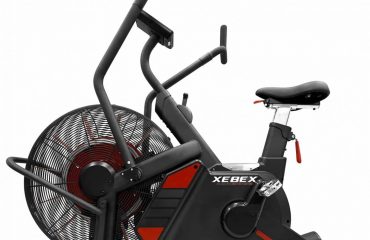
| Air bike | Brutally effective, ideal for interval work, full-body engagement | HIIT and cross-training | Demanding and loud, plan a dedicated zone |
The full professional cardio equipment range covers all of these families, and the professional treadmills category is the usual starting point for a new floor.
5. Cardio packages by type of facility
Hotel or corporate facility: accessible and premium
- One to two treadmills for walking and running
- One to two bikes, upright plus recumbent where comfort matters
- One cross trainer for low-impact work
- Impact absorbing flooring for noise and vibration control
Coaching studio: versatility and fast rotation
- One rowing machine
- One air bike
- One curved or performance treadmill
- One stair climber if you want a premium signature station
Commercial club: profitability and experience
- A mainstream base of treadmills, bikes and cross trainers
- Rowing machine and stair climber as performance signature stations
- Deliberate redundancy on the most requested stations, so peak hours do not generate queues
6. Why Light In Fitness
Light In Fitness is a French manufacturer and distributor of professional fitness equipment, in business since 2013 and specialised in intensive use for clubs, schools, coaches and professional operators. The selection logic is deliberately narrow: equipment is chosen on availability and serviceability rather than on the number of built-in programmes, because in a commercial setting the real cost is not the purchase, it is the downtime. That means specifying to EN ISO 20957 class S for indoor equipment, keeping wear parts available, and providing installation, preventive maintenance, corrective maintenance and breakdown support on both cardio and strength equipment. Delivery and service terms differ by country, so confirm them for your market when you request a quote.
7. Case studies
Four-star hotel: premium cardio that stays simple and reliable
Context: a varied guest population, little or no coaching on site, and a need for an intuitive experience. Problem: equipment that is too performance-oriented intimidates guests, and cheap equipment ages badly in a visible space. Solution: motorised treadmill, upright bike, low-impact cross trainer and impact absorbing flooring. Result: more frequent use, fewer abandoned sessions, and a facility that supports the premium positioning.
HIIT studio: cardio that impresses and keeps turning
Context: short sessions, high intensity, fast rotation between stations. Problem: machines that wear out quickly, noise, and a layout that fights the class format. Solution: air bike, rowing machine and curved treadmill in a dedicated zone, with a flooring and acoustic plan. Result: smoother sessions, a stronger performance feel, less friction between formats.
Commercial club: a cardio floor, not a museum
Context: sharp attendance peaks, a mainstream membership with some performance users. Problem: too few machines creates frustration, too many wastes budget and floor area. Solution: a mainstream base of treadmills, bikes and cross trainers, signature stations for rowing and stair climbing, and targeted redundancy on the busiest positions. Result: smoother rotation, higher satisfaction, better return on the investment.
8. Twenty-point checklist before you buy
- Type of facility: hotel, studio, club, public authority, corporate
- Audience: beginner, experienced, premium, health and rehabilitation
- Objective: weight loss, endurance, performance, health
- Floor area and circulation plan
- Peak attendance hours
- Split between treadmills, bikes, cross trainers and rowers
- Signature machines such as stair climber or air bike
- Accessibility and intuitive operation
- Fast adjustments: seats, handlebars, range of motion
- Useful data: time, distance, cadence, watts, heart rate
- Certification: EN ISO 20957-1 class S for indoor professional use
- Stability: frame and safe mounting and dismounting
- Joint comfort: cushioning and natural movement path
- Noise and its effect on neighbours and the floor below
- Flooring: slip resistant, impact absorbing where required
- Power supply: a dedicated circuit is recommended for motorised treadmills
- Delivery: access, doorways, floors, handling
- Installation: assembly and professional setup
- Maintenance: preventive schedule plus corrective response
- Service and technician: availability, breakdown response, spare parts
9. Frequently asked questions
Which standard certifies that a machine is genuinely for professional use?
For stationary training equipment the reference is the EN ISO 20957 series, covering safety requirements and test methods. Professional indoor use means class S.
Which cardio machines are essential to start with?
A solid base is treadmills, bikes and a cross trainer. The performance signature, a rowing machine and a stair climber, is added on top of that base.
Why does service matter so much on cardio equipment?
Because a machine out of service degrades the member experience and the revenue attached to it. A preventive and corrective maintenance plan with technician support is what keeps availability high, and availability is the only cardio metric that shows up in the accounts.
What flooring should go under cardio machines?
Flooring that provides stability, slip resistance, noise and vibration reduction and easy cleaning. Impact absorbing tiles and dedicated sports flooring are the usual answer, specified with the machines rather than after them.
How many machines does my floor area need?
That comes from your peak attendance and your programme mix, not from a ratio. Size the busiest hour, then add redundancy on the two most requested stations.
10. Building your cardio floor
Selection, compliance, installation and maintenance are one continuous decision, not four separate ones. Light In Fitness supplies professional cardio equipment to gyms, clubs, hotels, studios, schools, local authorities and rehabilitation centres, and can propose an essentials-plus-options package sized to your floor area and your peak hours. Request a quote with your floor plan, your audience and your attendance profile.
Réalisations documentées
- Dalles et sols sportifs : livraisons documentées – plusieurs chantiers
- Sol sportif extérieur, square Georges-Vallerey – Taverny (95)
Sources et références
- NF EN ISO 20957-1 – équipement d’entraînement fixe, partie 1 : exigences générales de sécurité et méthodes d’essai (AFNOR)
- AFNOR Normalisation – dossier thématique sur les appareils d’entraînement fixes et leurs classes d’usage