The Black ZIVA 20 kg Olympic Barbell: A Professional Bar Reviewed
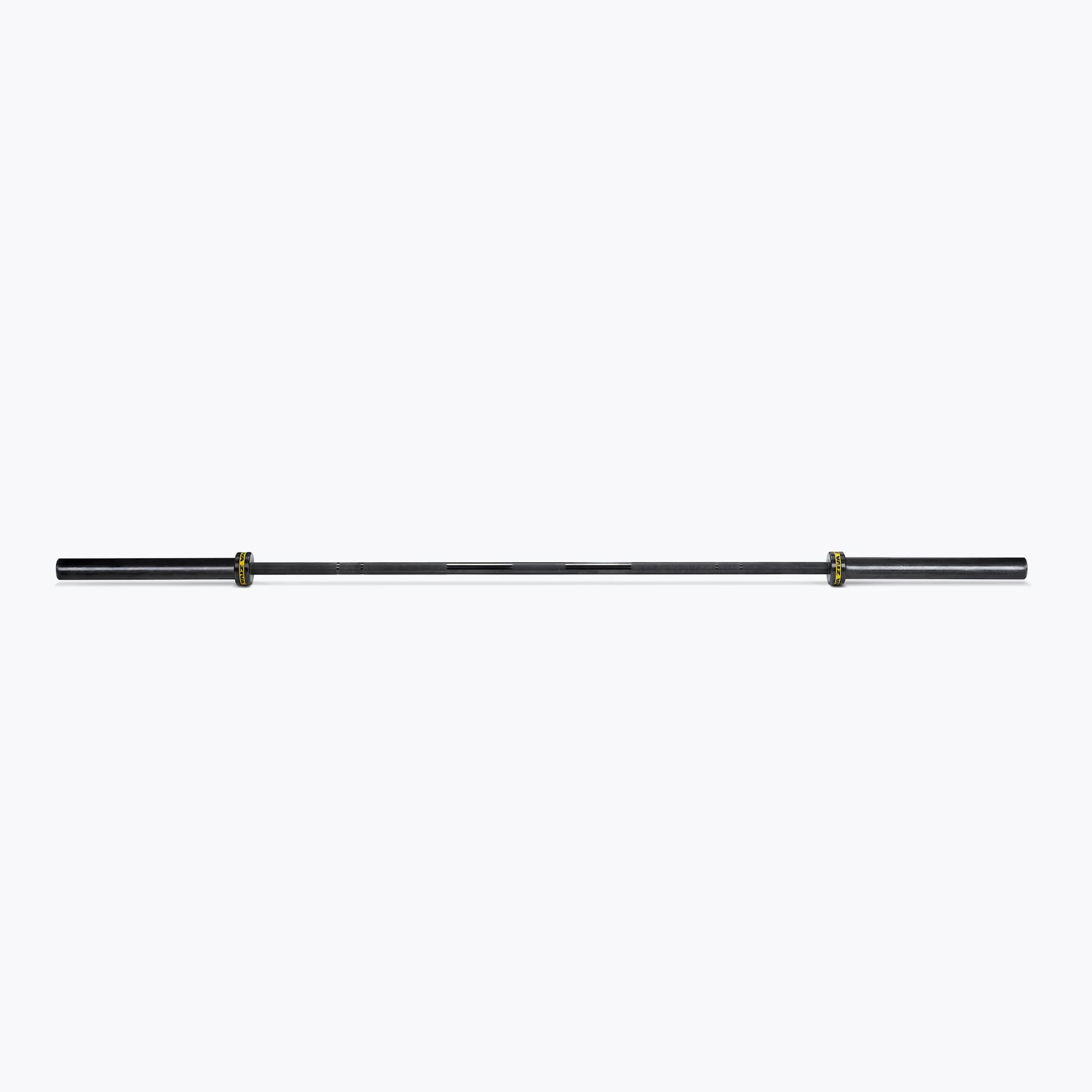
In weightlifting and in strength training generally, finding equipment that holds up is harder than it should be. Lifting heavy and building athletic strength needs a bar you can trust, not one that surprises you. That is where the black ZIVA 20 kg Olympic barbell comes in.
Picture the bar on the rack under the lights of a club floor: a black finish, a shaft that has been designed rather than merely manufactured, and a piece of equipment that is ready to be loaded, dropped and reloaded several hundred times a week. What actually makes an Olympic bar like this one worth specifying, and what does it change in a training space? This article goes through it feature by feature.
What the bar is
The black ZIVA 20 kg Olympic barbell is a professional bar of the kind used in weightlifting competition and in serious club floors. It is manufactured from durable materials designed to survive intensive use rather than occasional sessions. Everything below follows from that single design brief.
The black finish
The black finish gives the bar a clean, understated look that separates it from the chrome bars on most racks. It is not only cosmetic: a coated shaft behaves differently in the hand from bright chrome, and in a room where equipment is part of the brand, a consistent finish across bars, racks and plates is worth more than it costs.
Weight and dimensions
The bar has the standard weight of 20 kg, which makes it the reference tool for anyone working on strength and conditioning, and its dimensions follow the Olympic standard. That matters practically: standard sleeve dimensions mean the bar accepts the plates, collars and storage you already have, and standard length means it sits correctly in the J-cups of a rack designed to the same standard.
Construction
The bar is built from a high-quality material, which is where its durability comes from. It is designed to take heavy loads and intensive use without deforming or failing. On a commercial floor this is the specification that decides everything else: a bar that takes a permanent bend is scrap, however good the finish was.
Load capacity and durability
The bar carries a high load rating, which means it supports substantial weight without excessive flex, and its durability means it stays in good condition after years of intensive use. When you are comparing bars, ask each supplier for the rated capacity in writing, along with the shaft diameter and the sleeve arrangement, because these are the numbers that separate bars that look identical on a photograph.
What it does on the training floor
Strength performance
Regular work with a 20 kg Olympic bar develops muscular strength and power in a way no machine reproduces, because the lifter has to stabilise the load as well as move it.
General conditioning
Exercises performed with the bar recruit several muscle groups at once, which builds work capacity and endurance alongside maximal strength. This is why a bar earns its floor space in a general fitness room and not only in a lifting club.
Versatility
One of the real strengths of an Olympic bar is how much it covers. Squats, deadlifts, bench press, presses, rows and the Olympic lifts all run off the same tool. For an operator that is a very good ratio of training options per square metre and per euro spent.
Comfort and safety in use
The bar is knurled to give a secure, non-slip grip, which allows stable handling under load. Grip security is a safety feature, not a comfort feature: a bar that rolls in sweaty hands is how a bench press session goes wrong.
Comparing Olympic bars
There are many bars on the market at very different quality levels, and photographs will not tell you which is which. Judge them on four criteria:
- Build quality. Shaft material and treatment, sleeve construction, and how the sleeves rotate under load.
- Rated load capacity. Ask for the figure, not for an adjective.
- Durability in shared use. How the bar behaves after a year of being dropped by people who did not buy it.
- Price against service life. A cheap bar replaced twice is not cheap.
Against those criteria, the ZIVA black bar stands out for its finish, its load capacity and its durability, and it sits at a sensible point on the price-to-service-life curve. Browse the full range of professional Olympic barbells to compare, or go directly to the professional ZIVA Olympic bar product page for the current technical file.
Where the bar sits in the room
A bar is never specified alone. It needs a rack or a rig with correctly positioned J-cups and safety spotters, a set of bumper plates and collars, storage so it is not left on the floor, and absorbing flooring under the lifting position. Our ZIVA rigs and racks are designed around bars of this standard, which means the bar sits where it should and the storage takes the plates you actually own.
Frequently asked questions
Is a 20 kg bar right for every member?
For most adult lifters, yes, and it is the standard reference. Facilities with beginners, junior groups or rehabilitation programmes usually add lighter technique bars alongside, so that the movement can be learned before the standard load is introduced.
Does a black finish need different care?
Coated bars want the same basic maintenance as any other: wipe the shaft after sessions, keep the sleeves clean and turning freely, and store the bar horizontally or vertically in proper storage rather than leaning it against a wall.
Where should a facility buy one?
From specialist fitness suppliers or authorised dealers, in store or online. Buying through an authorised channel is what guarantees the product is genuine and that the warranty means something.
How many bars does a club floor need?
It depends on how many lifting positions you run at peak. The usual rule is one bar per rack or platform, plus spares in proportion to how often bars are used for classes and circuits.
Specifying your bars
A professional Olympic barbell is one of the least glamorous and most consequential lines on a fit-out quotation. Its finish, its load rating and its durability decide how the free-weight area feels and how often you replace it. Tell us how many lifting positions you run, what plates you already own and whether the bars will be dropped, and we will specify the bars, the plates, the storage and the flooring together. Request a quote for a costed proposal.