Swiss Ball Guide: Sizing, Exercises and Safety
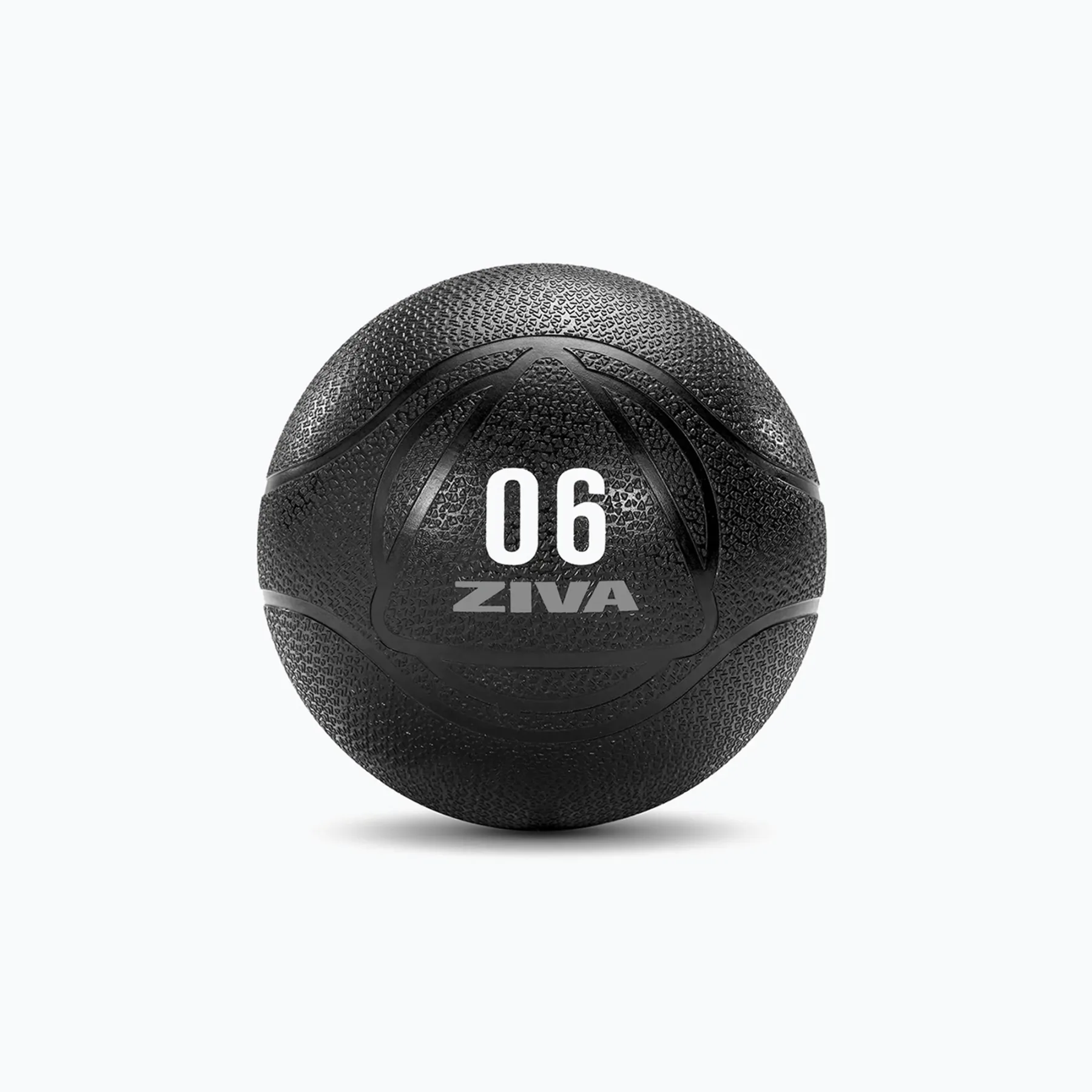
The Swiss ball, or gym ball, has become the accessory that turns an ordinary session into precise work. By recruiting the deep muscles through instability, it improves posture, strengthens the core and helps prevent back pain. Used properly in a club or a therapy room, it is far more than a piece of studio decoration. Here is how to select, programme and maintain it.
1. Choosing the right ball size
Size is the first criterion for effective training. A ball that is the wrong diameter compromises posture and reduces the value of every exercise performed on it.
The rule is simple: hips and knees should form a 90-degree angle when the user sits in the centre of the ball.
| User height | Recommended ball diameter |
|---|---|
| Under 165 cm | 55 cm (size S) |
| 165 to 185 cm | 65 cm (size M) |
| Over 185 cm | 75 cm (size L) |
A facility that serves a mixed membership therefore needs all three diameters, not a single size bought in bulk.
2. Five exercises for the core and posture
For a solid trunk and an upright posture, these five movements belong in any programme.
- Plank on the ball: forearms on the ball, hold the position. The instability multiplies the work of the deep abdominal muscles.
- Dead bug with the ball: lying on the back, hold the ball between hands and knees, then extend one arm and the opposite leg. Ideal for protecting the lower back.
- Roll-out: kneeling, push the ball forward with the forearms while bracing the abdominals, then return.
- Wall squat with the ball: place the ball between the back and a wall and descend into a squat. The ball guides the spine into a clean alignment.
- Hip thrust on the ball: upper back on the ball, feet on the floor, lift the pelvis. Excellent for the glutes and for pelvic stability.
All five work well in small-group formats, which is why the ball pairs naturally with fitness and pilates mats in a studio.
3. Safety and maintenance
A gym ball is under constant pressure. Four points protect both the user and the equipment.
- Anti-burst construction: always check the ball has it. Our balls deflate slowly if punctured, so a user never drops suddenly.
- Correct inflation: never inflate beyond the stated diameter. Too hard and the ball loses its ergonomic benefit; too soft and it becomes dangerously unstable.
- Clean surroundings: use the ball on a clean surface. A small stone or a staple is enough to damage the structure.
- Cleaning: a soft cloth and soapy water are enough. Avoid chemical products, which weaken the PVC.
Why buy your Swiss balls from Light In Fitness
Our gym balls are designed for intensive use, whether in a fitness club, a physiotherapy practice or a corporate wellness room. Unlike standard balls, they use a high-density PVC that keeps its spherical shape even after months of daily use, which is exactly where cheap balls fail. They sit alongside the rest of our functional training accessories and our pilates studio accessories.
Worth knowing: using a Swiss ball as an office seat, known as active sitting, burns calories and reduces the muscular tension that comes with sedentary work, which is why corporate clients often order them alongside their gym equipment.
Frequently asked questions
How many balls should a studio stock?
Enough of each diameter to run your largest class without anyone using the wrong size. In practice that means a spread across 55, 65 and 75 cm rather than a single size.
How long does a gym ball last in a club?
It depends almost entirely on the surface it is used on and on inflation discipline. Clean flooring and correct pressure are what determine service life.
Are they suitable for rehabilitation work?
Yes, which is why they are standard equipment in physiotherapy practices. Anti-burst construction is non-negotiable in that setting.
Ordering for your facility
Tell us the size of your classes, the disciplines you programme and how many rooms you are equipping, and we will propose the quantities and diameters that make sense, alongside the mats and accessories that go with them. Request a quote and our team will put it together with you.