How to Perform Well in Strength Training

In brief: performance in strength training comes from a small number of things done consistently: clear goals, a structured programme, sound technique, progressive load, adequate recovery and enough variety to avoid stagnation. This guide sets out what that means for the people training and, just as importantly, what the equipment on the floor has to provide for it to be possible.
Strength training attracts a lot of interest, and a lot of contradictory advice. Whether you are coaching beginners or managing a floor used by experienced lifters, the principles below are the ones that decide whether members progress or plateau. They are also the ones that determine what a well specified gym actually needs to own.
Six principles that decide progress
Strength training is a demanding discipline that requires a methodical approach and consistent commitment. The following points cover most of what separates people who progress from people who simply attend.
1. Set clear and realistic goals
Progress is measurable only against a stated objective. Whether the aim is maximal strength, muscle mass or general physical condition, the goal has to be defined and then broken into a plan with checkpoints. Vague intentions produce vague training, and vague training produces no adaptation.
2. Follow a programme that fits the person
A well structured training programme is essential to progress. A coach or strength specialist should design it around the individual needs and current condition of the person following it. It should cover every major muscle group and alternate between strength work and volume work rather than repeating the same stimulus indefinitely.
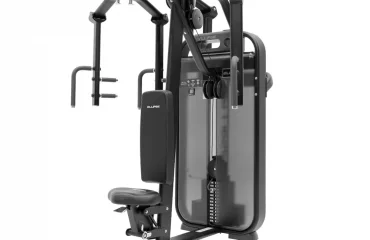
From the operator side, this is the argument for a balanced machine park. A floor that offers only one kind of stimulus limits every programme written on it. A mix of selectorised strength machines for guided, teachable work and plate loaded machines for heavier and more specific loading covers most of what a coach will need to prescribe.
3. Train regularly and consistently
Consistency is the single strongest predictor of progress. A training schedule has to match real availability and then be respected. Three sessions a week is a reasonable working minimum, with enough rest between sessions for the muscles to recover.
4. Eat in a way that supports the training
Nutrition plays a decisive role. Sufficient protein supports muscle growth, and carbohydrates supply the energy the sessions demand. Processed foods are best limited in favour of quality sources: lean meats, vegetables, fruit and whole grains. None of this is exotic, and none of it can be replaced by training harder.
5. Pay attention to execution technique
Technique is what converts effort into results. Correct posture and movement pattern for each exercise loads the intended muscles and keeps the joints out of trouble. Anyone unsure about their technique should ask a professional rather than guess, and a facility that wants members to progress should make that help easy to reach.
Equipment choice matters here more than it is usually given credit for. Machines with a clear movement path and correctly placed adjustment points teach good positions on their own. That is one of the real arguments for professional specification: indoor equipment built to EN ISO 20957-1 class S is designed for collective, largely unsupervised use, which is exactly the situation in which a machine has to guide the user without a coach standing next to it.
6. Vary exercises and training methods
Variety stimulates adaptation and prevents stagnation. Alternating between machines, free weights and bodyweight work, and between circuit, strength and hypertrophy methods, loads the muscles in different ways. This too has an equipment consequence: a floor with a functional area and a set of training accessories alongside the machine park gives a coach far more room to vary the stimulus.
How to improve strength specifically
Strength is a central component of performance. The following points target it directly.
1. Increase the load progressively
Gaining strength means increasing the load used over time. Start with lighter weights and raise the intensity gradually, so the muscles and connective tissue adapt at a rate they can tolerate. Progressive loading is not optional; it is the mechanism.
2. Use compound exercises
Compound exercises such as squats, bench presses and pull ups recruit several muscle groups at once and drive strength development more effectively than isolation work alone. They belong in the programme, and the numbers achieved on them are the clearest measure of whether the programme is working.
3. Use intensification techniques sparingly
Drop sets, supersets and forced repetitions can push past a sticking point and stimulate growth. They are occasional tools, not a default setting. Used constantly they simply add fatigue without adding stimulus.
4. Rest enough
Rest is what allows muscles to recover and rebuild after intense training. Regular rest days and sufficient sleep are part of the programme rather than an interruption to it. Recovery is where the adaptation actually happens.
5. Work on explosiveness
Power and speed work, including jumps, throws and plyometric exercises, develops the rate at which force can be produced. Adding it to a programme improves strength expression as well as raw strength. A floor that supports this needs a surface that tolerates impact, which is where rubber gym flooring and dedicated weightlifting tiles earn their place.
Frequently asked questions
What is the ideal training frequency?
There is no single answer, because the ideal frequency depends on current condition, objectives and recovery capacity. In general, at least three sessions a week is recommended to obtain meaningful results.
Are supplements necessary?
Supplements are not necessary to perform well in strength training, though they can complement a diet and support performance. Protein powders, amino acids and creatine are among the products commonly used. A health professional should be consulted before starting any supplementation.
How long does it take to get good results?
It varies from person to person, depending on starting condition, training consistency, nutrition and many other factors. Patience and persistence are part of the method; results follow commitment over time.
Is it better to train in the morning or the evening?
There is no definitive answer. Some prefer training in the morning to start the day with energy, others feel stronger in the evening. What matters is finding the slot that fits and holding to it consistently.
How can injuries be avoided?
By respecting good execution technique, not overloading the bar, warming up properly before each session and allowing time to recover between sessions. Listen to the body and stop immediately if pain or discomfort appears.
Should you stretch before or after training?
Static stretching before strength training is not recommended, as it can reduce force and power output. Dynamic warm up exercises are the better preparation for muscles and joints. Stretching is better placed after the session, to support recovery.
What this means when equipping a facility
Every principle above has an equipment consequence. Progressive loading needs increments that are actually available, which is an argument for well graded weight stacks and a complete set of plates. Technique needs machines with a clean movement path. Variety needs more than one training modality on the floor. Recovery needs space that is not simply more machines.
Send the floor area, the ceiling height, the expected number of members and the training styles you intend to offer, and the equipment list can be built against those constraints rather than against a catalogue. Request a quote and the proposal comes back with a layout drawing attached.