Selectorised Seated Leg Curl Machine: A Buyer Guide
Every strength floor has a muscle group that gets under-served, and in most facilities it is the hamstrings. Members will queue for a leg press and walk past the machine that trains the back of the thigh. That is a problem for injury rates and for training balance, and the simplest fix is a well-chosen seated leg curl machine with a selectorised weight stack. This guide covers what the machine does, what it brings to a commercial facility, how to set it up correctly and how to programme it.
The selectorised seated leg curl machine
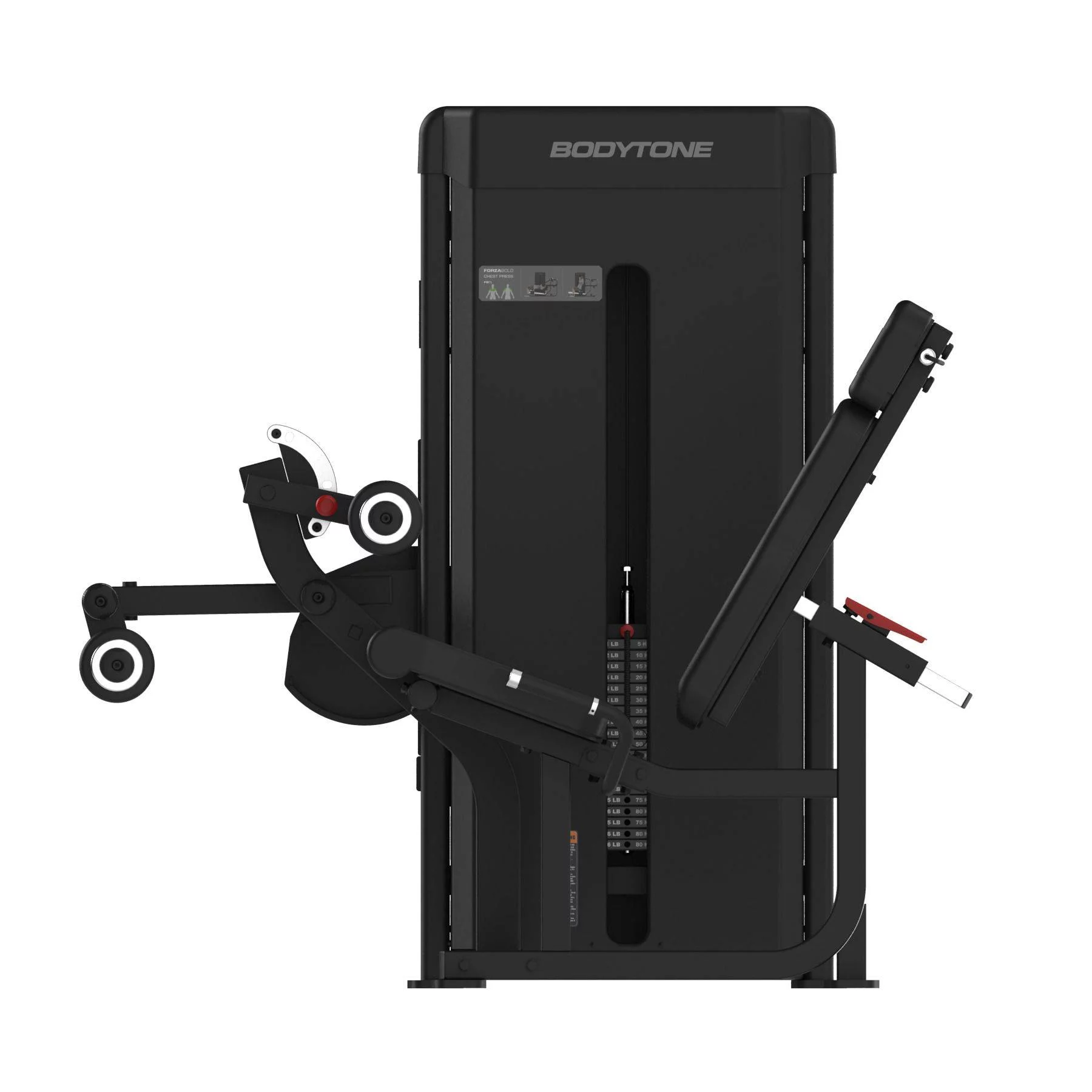
The seated leg curl machine is built to isolate the hamstrings. The user sits with the legs extended forward, the lower legs positioned under a padded roller and a second pad secured across the thighs, then flexes the knees against the resistance and returns under control to the start position.
The selectorised version uses a weight stack and a selector pin rather than loose plates. That single design choice has consequences an operator feels every day: load changes take a second, no plates end up on the floor, and a member can move between sets and between users without any handling. It also makes the station approachable, which is exactly what you want for a muscle group that members tend to avoid.
The seated position adds support and stability. The back rests against a pad, the thighs are restrained, and the movement path is fixed. That combination reduces the scope for compensation and makes the machine a sound choice for beginners and for anyone who prefers a controlled option. It sits naturally within a wider range of selectorised strength machines.
What the machine brings to your floor
Regular use of a seated leg curl station delivers several benefits worth communicating to members and worth weighing when you specify equipment.
Hamstring strength. The machine targets the hamstrings directly, which builds strength and muscle in a group that general training rarely loads properly.
Stability and balance. Stronger hamstrings contribute to overall stability and balance, because they control the knee and the hip through most functional movement.
Injury prevention. Strong hamstrings help protect the knee and the hip. For clubs, academies and rehabilitation centres, that is often the primary reason the station is specified at all.
Sporting performance. The hamstrings are central to running, jumping and sprinting. Strengthening them improves performance in all three, which is why performance facilities treat the leg curl as non-negotiable.
Suitable for every level. Beginner or experienced athlete, the machine adapts to the user through stack selection and seat adjustment. One station serves your entire membership.
That last point is the commercial argument. A selectorised seated leg curl is not a specialist machine that sits idle between visits from serious lifters. It is a station that a first-week member and a competitive athlete can both use productively on the same afternoon.
Setting the machine up correctly
Most of the value of a machine is lost if it is set up badly. These are the points your induction should cover.
1. Adjust the seat. Set the seat so the user is comfortable and, critically, so the knees line up with the machine pivot. Misalignment here is the single most common set-up error and it transfers load to the joint rather than the muscle.
2. Select the load. Choose a weight appropriate to the user and the goal. Always start lighter than feels necessary and build up over time.
3. Position the body. Sit back against the pad, place the lower legs under the roller and secure the thigh pad so the thighs do not lift during the repetition.
4. Flex the knees. Using the hamstrings, curl the lower legs down and back through the full available range. Hold the end position briefly.
5. Return to the start. Control the return, extending the legs fully rather than letting the stack drop.
6. Repeat. Complete the repetitions set out in the programme.
Getting the most from the station
A few coaching points make a large difference to the results members get.
Hold the position. No swinging or rocking. The trunk stays still and the effort comes from the hamstrings.
Control the weight. The stack should not be allowed to fall. Controlling both directions of the movement is where most of the training effect comes from.
Vary the intensity. Adjust load, repetitions and sets over time so the hamstrings continue to be challenged.
Combine with other work. The seated leg curl belongs inside a full lower-body session alongside quadriceps and hip work, not as a standalone exercise.
Selectorised or plate-loaded, seated or prone
Two questions come up whenever an operator specifies a leg curl station.
The first is selectorised against plate-loaded. Selectorised units win on speed and floor tidiness, which matters in high-traffic general fitness sites. Plate-loaded units suit strength-focused facilities where peak loads run high and members are comfortable handling plates. The Etenon R8506 seated leg curl is an example of a selectorised station built for commercial traffic.
The second is seated against prone. The seated position is more supported, easier to teach and generally more comfortable for larger users, which makes it the safer default for a mixed membership. The prone version places the hip in a different position and is often preferred by athletes and by coaches who want a second hamstring angle. Facilities with the space frequently install both. The Forza FB53 seated leg curl covers the seated requirement in a commercial specification.
Frequently asked questions
What is the difference between a selectorised seated leg curl and a conventional leg curl?
The main difference lies in the support and stability the machine provides. On a selectorised seated leg curl the user is seated, the legs are held in position against the roller and the thighs are restrained, which reduces injury risk and allows the user to focus the effort on the hamstrings rather than on holding position.
How often should the station be used?
It depends on the individual goal and on the wider programme. As a general rule, training the hamstrings two to three times a week with at least one rest day between sessions is appropriate.
Is the machine suitable for beginners?
Yes. The additional support and stability make it a safe option for members who are just starting to train or who want to become familiar with the leg curl movement before progressing.
Can extra load be added beyond the weight stack?
The machine is designed to be used with the weight stack supplied. Adding load beyond that is not recommended, as it can compromise both the safety and the effectiveness of the exercise.
Are there any contraindications?
As with any exercise, users with pre-existing health conditions or a history of injury should consult a health professional before using the machine. Manufacturer instructions should be followed, and a qualified instructor should be available where needed.
How long before members see results?
Results vary between individuals depending on genetics, current fitness and training frequency. With regular, consistent use alongside a balanced diet, members should begin to see results after a few weeks.
Specifying the right station
A selectorised seated leg curl is an efficient tool for strengthening the hamstrings and improving stability and balance. Used correctly, and set up properly at induction, it delivers results for the whole spectrum of your membership while quietly reducing the injury risk that comes with an untrained posterior chain.
The right specification depends on your traffic, your member profile and the space available. Tell us how your lower-body zone is laid out and who trains in it, and we will propose a configuration that fits. Request a quote and we will come back with a costed proposal.