Refurbishing Gym Equipment: Repainting Indoor and Outdoor Machines
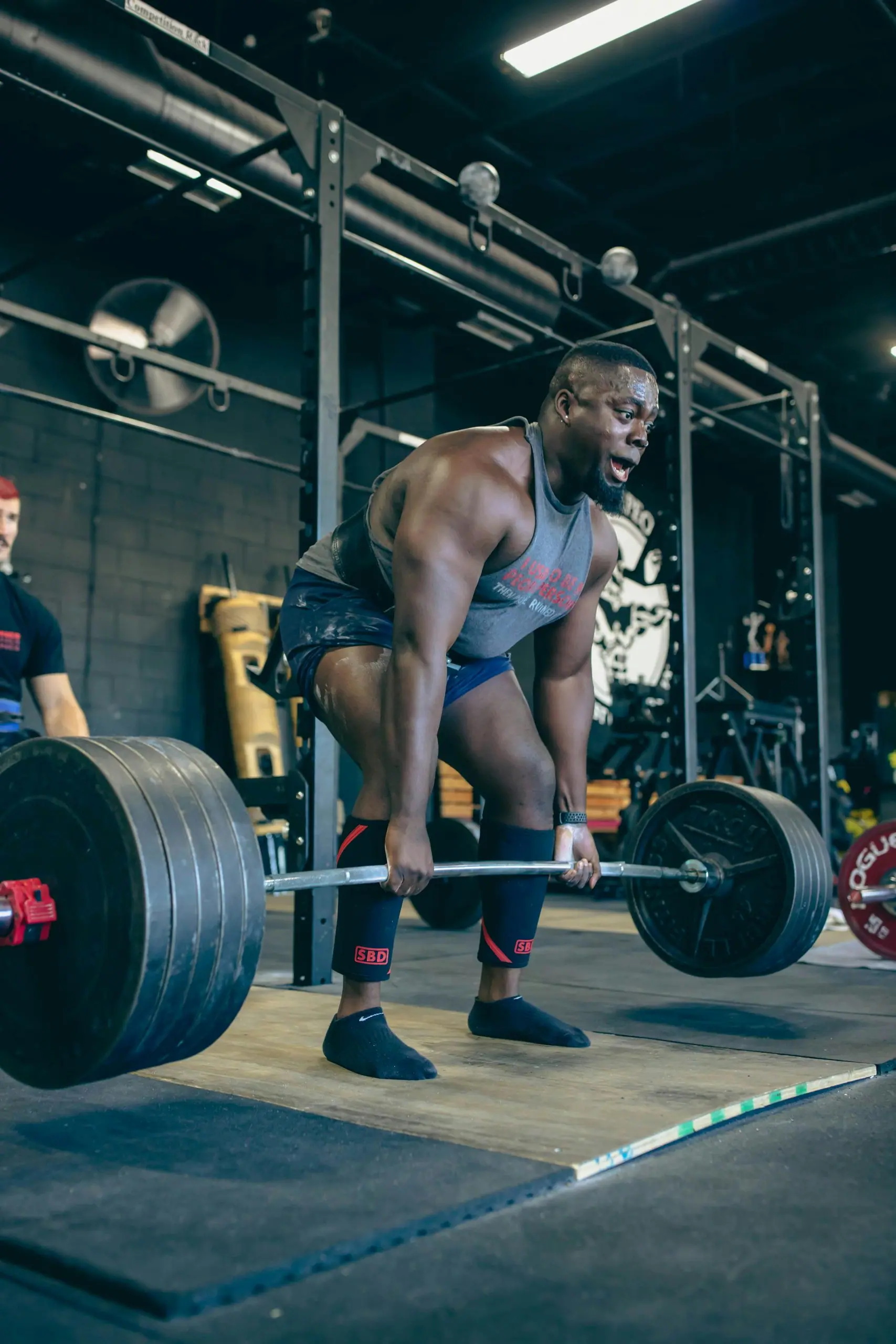
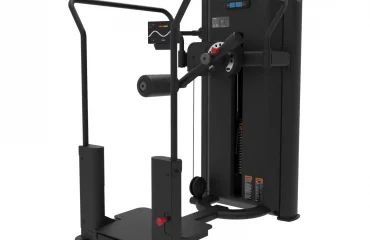
A strength machine rarely dies of a mechanical failure. It is retired because the frame looks tired: chipped paint on the uprights, rust blooming around the welds, a faded logo, upholstery that no longer matches anything else on the floor. Underneath that surface, the steel is usually sound. Repainting is the cheapest way a professional operator can buy another five to ten years of service life out of an existing strength range, and it is the fastest visible upgrade a member will notice.
This guide is written for gym operators, hotel wellness managers, municipal facilities and clubs who are weighing a refurbishment against a replacement. It covers assessment, surface preparation, the three realistic coating routes, and the specific problems of outdoor equipment.
Refurbish or replace: making the call honestly
Refurbishment makes sense when the load path is intact. Check the welds, the frame geometry, the bearing housings and the guide rods before anyone opens a tin of paint. A machine with a cracked weld, an elongated pivot hole or a bent guide rod is a safety problem, not a cosmetic one, and no coating will change that.
Replacement makes sense when the wear parts are no longer available, when the geometry is dated to the point that members avoid the station, or when the equipment was never built to EN ISO 20957-1 class S in the first place. Repainting equipment that was not designed for supervised commercial use does not make it compliant, it only makes it look compliant, which is the worst possible outcome in an inspection.
Step one: mechanical work before cosmetic work
Every refurbishment starts with a service, never with a sander. Strip the machine down to the frame and record what you find:
- Cables and terminations: any broken strand means replacement, not repair.
- Bearings, bushings and pivot pins: play here becomes noise and uneven loading later.
- Pulleys: grooving on the running surface will chew a new cable in months.
- Upholstery and grips: usually cheaper to renew during the same downtime.
- Safety labels, load markings and the manufacturer plate: photograph them before stripping, because they must be legible again after the job.
That last point is the one most workshops get wrong. Painting over a serial plate or a maximum load marking removes traceability, and a machine without legible markings is very hard to defend in an incident file.
Step two: surface preparation decides the result
Coating failure is almost always a preparation failure. Three stages matter, in order.
Degreasing. Years of sweat, hand cream and silicone spray sit on a gym frame. An alkaline degreaser followed by a clean water rinse and full drying removes what a solvent wipe alone leaves behind.
Mechanical keying. Sound existing paint is abraded to a matt key. Loose or flaking paint is stripped back. Rust is taken to bright metal, not painted over: converting agents buy time, they do not stop advancing corrosion under a coating.
Primer. A metal primer or an etch primer gives adhesion and a corrosion barrier. On galvanised parts, use a primer specified for zinc, because standard primers can saponify and lift.
Step three: choosing the coating route
There are three realistic routes, and the right one depends on whether the frame can leave the site.
Powder coating is what the factory does. The frame is blasted, powder is applied electrostatically and cured in an oven, producing the hardest and most impact resistant finish available. It requires full disassembly, transport to a coating line, and parts that tolerate oven temperature, so bearings, upholstery, decals and plastics all come off first. For a fleet refurbishment, this is the route that actually lasts.
Two pack liquid paint, applied by spray gun, is the on site equivalent. A polyurethane or epoxy system over the right primer gives a durable, chemically resistant film without an oven. It needs proper masking, ventilation and respiratory protection, and it needs the full cure time before the machine takes load again.
Aerosol is for touch up and small components, not for a full frame. It is useful for a scratched weight stack shroud or a single handle bracket. Anyone quoting a full strength range in rattle cans is quoting a finish that will not survive a year of gym use.
Colour: a floor plan decision, not a mood board
On a commercial floor, colour does practical work. It matches equipment to your brand identity so mismatched second hand purchases stop looking second hand. It zones the room, so members read the free weight area, the selectorised circuit and the functional zone at a glance. And it hides wear: mid tones and textured finishes disguise scuffs far better than gloss black or white, which is why almost every manufacturer defaults to them.
Keep the palette to two frame colours plus one accent. More than that and a room reads as chaotic rather than energetic. If you also intend to refresh the surface underneath the machines, plan it in the same shutdown: our rubber gym flooring tiles come in colour options that let you zone the floor and the frames together.
Outdoor equipment is a different job entirely
An outdoor fitness station lives with UV, rain, frost cycles and, near the coast, salt. Paint systems for outdoor use need a UV stable topcoat, and the preparation has to reach every cavity, because corrosion starts inside tubes and behind fixings where nobody sanded.
Be realistic about the ceiling of any repaint: a painted carbon steel structure in a coastal or pool environment will need attention again. Where an installation is permanently exposed, stainless steel outdoor fitness equipment removes the repainting cycle altogether, which is why it is specified for seafront promenades and pool surrounds. For refurbishment of galvanised outdoor structures, remember that outdoor adult equipment is covered by EN 16630, and that any children’s equipment on the same site falls under EN 1176-1, with its impact absorbing surfacing under EN 1177. Those are separate standards and a refurbishment must not blur them.
Downtime, planning and cost control
The variable that decides whether a refurbishment is worth it is downtime. Powder coating a fleet means machines are away from the floor for days, so most operators work in batches: a quarter of the strength range at a time, timed to the quietest weeks of the year. On site two pack work is faster but requires the area to be closed, ventilated and masked, and members must be kept away until the full cure.
Budget the wear parts alongside the coating. A repainted frame with original cables and bearings looks new and fails like an old machine, which does more damage to member confidence than leaving it unpainted.
Frequently asked questions
Can I repaint a machine without taking it out of service?
Only for small touch ups. Any full frame job needs stripping, preparation and a cure period, which means the station is unavailable. Plan it as a project, not as maintenance.
Does repainting affect the warranty or the compliance of a machine?
Repainting does not change the design of the machine, but altering, drilling or welding it does. Keep the load markings and manufacturer plate legible, and document what was done, so the machine’s history stays auditable.
How long does a professional finish last on a gym frame?
A properly prepared powder coated frame indoors lasts as long as the original factory finish. On site two pack work sits below that, and aerosol touch ups are measured in months. Preparation, not the product, is what moves that number.
Is refurbishment always cheaper than buying new?
Not always. Once you add mechanical parts, transport, coating and lost revenue during downtime, an old machine with a dated movement pattern can cost more to keep than to replace. Price both options before deciding.
Planning a refurbishment or a partial replacement?
Send us photographs of the machines, the make and model where you have it, and the age of the fleet. We will tell you honestly which stations are worth refurbishing and which are better replaced from our professional strength training machine ranges. Start with our quotation request form.