How Do People Choose a Gym? A Guide for Operators
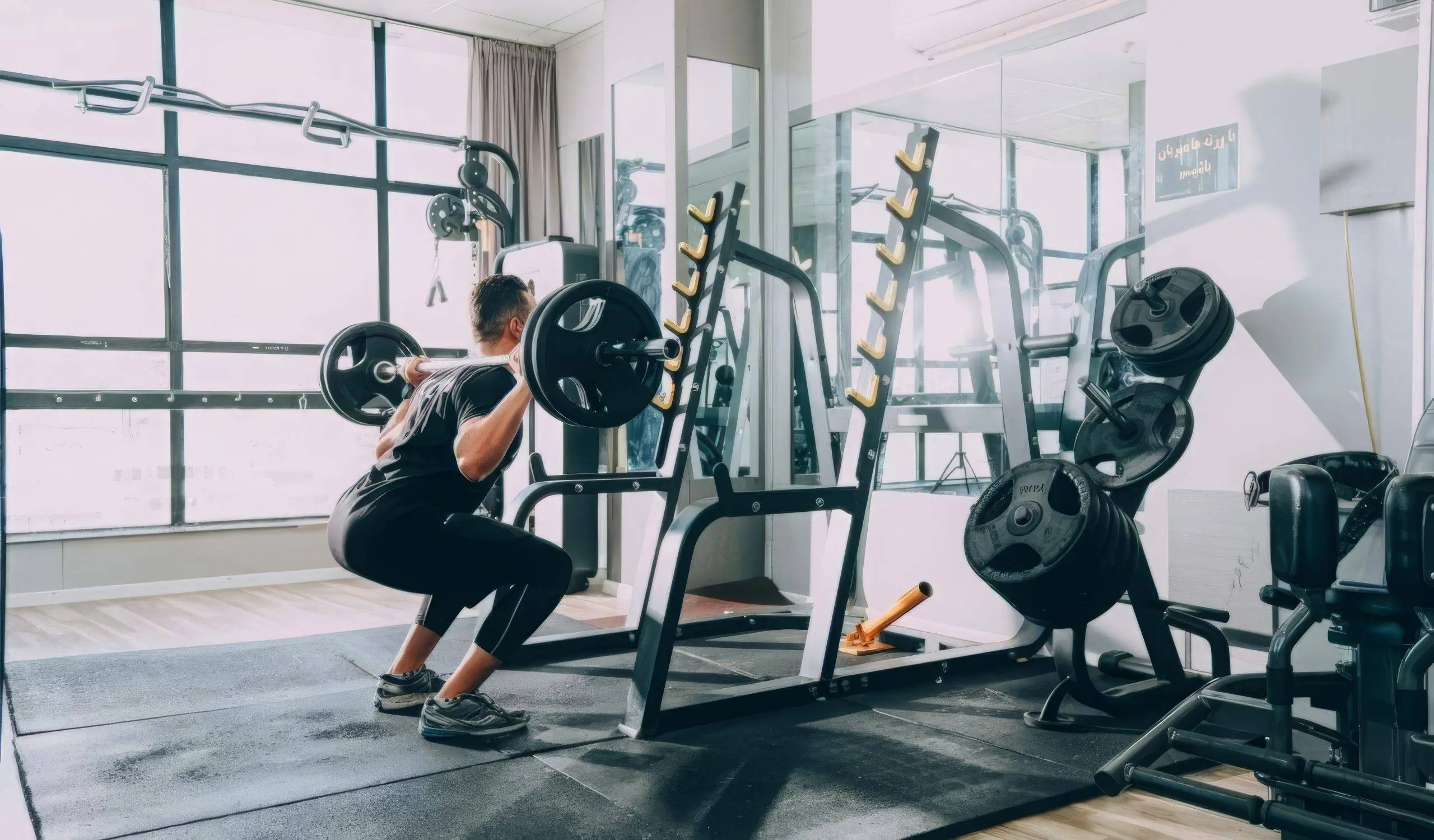
Choosing a gym looks like a simple decision from the outside. It is not. For the person making it, the choice largely determines whether they still train in six months. For the operator on the other side of the counter, every criterion a prospective member weighs up is a decision that was made months or years earlier, at the point where a lease was signed and a floor was specified. This article walks through what people actually assess when they pick a facility, and what each of those criteria implies for anyone building or refurbishing one.
The three criteria that decide almost everything
Location
Proximity to home or workplace is the single strongest predictor of whether someone keeps coming. A well-placed facility gets visited on the way past; a distant one becomes an easy excuse to skip a session. For an operator this is the one criterion that cannot be fixed later with capital expenditure, which is why the catchment analysis has to come before the equipment list, not after it.
Opening hours
Prospective members check whether the hours fit their working life. Early mornings and late evenings are what make a membership usable for shift workers, commuters and parents. Extended hours change the equipment specification as well as the staffing model: longer opening means more running hours per machine per year, and equipment rated for supervised commercial use to EN ISO 20957-1 class S is what survives that duty cycle.
Equipment
People look for the machines they intend to use, and they notice when something is missing or perpetually out of order. A credible general offer means cardio equipment, free weights and strength training machines in proportions that match the membership. Beyond that, specific facilities such as pools, courts and group exercise studios are what let a facility charge above the local baseline.
The main types of facility
General fitness clubs
A broad equipment offer covering cardio, strength and group classes. This model suits members who want variety and are not committed to one discipline, and it is the most forgiving to operate because no single piece of equipment carries the proposition on its own.
Specialist facilities
Boxes and studios built around one discipline: cross-training, yoga, Pilates or martial arts. The equipment list is narrower and deeper, the coaching is central rather than optional, and member loyalty is typically higher. The trade-off is exposure: if the discipline loses momentum locally, there is no second revenue stream.
Premium clubs
High-specification equipment, exclusive classes and a considered environment, often with spa facilities. A sauna, steam room and spa area is frequently what separates a premium membership from a standard one in the member’s mind, and it is priced accordingly. It also introduces a second maintenance regime and a second set of building services, which needs planning from the outset rather than bolting on later.
The extras that keep members
Group classes
Classes convert an individual activity into a scheduled social commitment, which is exactly what sustains attendance. A varied timetable covering indoor cycling, dance-based formats, barbell classes and yoga gives members a reason to come on days they would otherwise skip. It also requires a dedicated studio, sound treatment and storage, which are floor-plan decisions.
Personal coaching
Access to qualified coaches makes a measurable difference to member outcomes, and members know it. Structured programmes, guidance and regular follow-up are what turn a beginner into someone who renews.
Supporting facilities
Changing rooms with proper showers, sauna and spa areas, and in some markets coworking space, all add perceived value to a membership. So do periodic fitness assessments and nutrition guidance. Each is a service line with its own space, staffing and maintenance requirements, which is why they belong in the business plan and not on the wish list.
What this means if you are building or refurbishing
Read the list above as a specification brief. Location fixes the catchment and therefore the member profile. Opening hours fix the duty cycle and therefore the equipment grade. The member profile fixes the split between cardio, strength and functional space. And the extras fix how much of the floor plate is not training space at all. Get that sequence right and the equipment order almost writes itself; get it backwards and you buy machines that do not match the members who walk through the door.
Frequently asked questions
How much floor area does a general fitness club need?
There is no universal figure, because it depends on the offer and the expected peak occupancy rather than on total membership. The practical method is to work back from how many people you expect on the floor at the busiest hour, then allocate space per zone from there.
Is it better to specialise or to offer everything?
It depends on the catchment. A dense urban catchment can support specialists; a smaller one usually rewards a general offer, because the addressable market for any single discipline is too small to fill the timetable.
What equipment should be prioritised on a limited budget?
Cover every major movement pattern once with reliable commercial-grade equipment before duplicating anything or adding specialist stations. Members forgive a short equipment list far more readily than they forgive machines that are broken or unusable.
Planning your facility
Send us your floor plan, your catchment and the membership you are targeting, and we will come back with a zoning proposal and an itemised equipment specification. Request a quote and we will work through it with you.