The Strength Room: Layout, Equipment and Performance
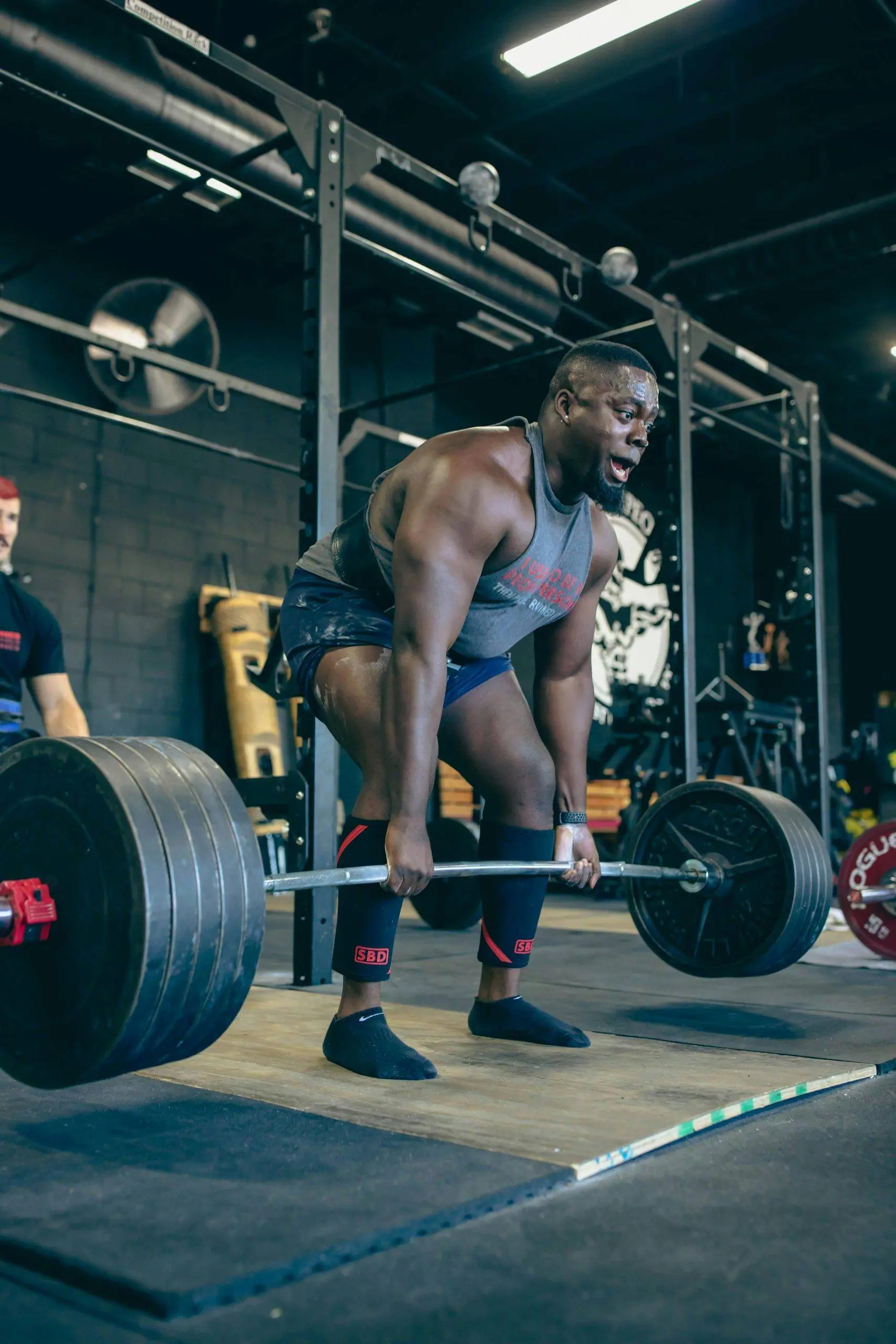
A strength room is the most expensive square metres in most facilities, and the ones members judge first. Whether the site is a commercial club, a hotel, a municipal sports hall, a school, a rehabilitation unit or a corporate gym, the same question decides the outcome: does the equipment match the way the room will actually be used, and is the room built to let that equipment work.
This guide covers what a well specified strength room delivers, the technical characteristics worth checking, the standard that applies in Europe, the installation questions that decide whether the room works, and the economics behind the purchase.
What a well equipped strength room delivers
Strength and muscle development
A properly composed room lets every muscle group be trained effectively. A range that combines free weights, guided machines and accessories gives coaches enough variety to programme progression rather than repetition, which is what keeps members improving and therefore renewing.
General physical condition
Resistance training does more than build strength. It raises resting metabolism, contributes to calorie expenditure, supports cardiovascular health and increases bone density, which is one of the reasons municipalities and residential operators are equipping strength spaces for older adults rather than cardio rooms alone.
Injury prevention
Resistance work strengthens muscles, tendons and ligaments. Better strength improves posture and joint stability, which reduces injury risk both in daily activity and in sport. For a rehabilitation unit or a returning athlete, that is the entire point of the room.
Durability and service life
Materials
Commercial strength equipment is built from robust materials, including stainless steel where corrosion is a risk, and from components selected for continuous duty. The difference between a machine that lasts and one that does not is rarely visible at delivery; it shows up in year three, at the welds, the bearings and the cable terminations.
Low maintenance by design
Robust construction reduces the maintenance burden. Modern machines use quality bearings and cables that need less frequent intervention, which lowers cost of ownership over the life of the room. Ask for the service interval and the parts list before you sign, not after the first failure.
Usability and comfort
Ergonomic design
Current equipment is designed around adjustment: adjustable seats, padded handles and multiple settings let one machine serve every body size that walks through the door. On a commercial floor, adjustment speed is a throughput question as much as a comfort one.
Clear controls
Intuitive control panels and legible displays let users select load and settings without hunting. The practical benefit is that members spend their session training rather than working out how the machine works, and your staff spend less time explaining it.
Where strength equipment is installed
Commercial gyms
In a commercial club, strength equipment is the core of the offer. Free weights, guided machines and benches together allow varied programming and visible progression. The full range is on our strength training machines page.
Hotels, residences and corporate facilities
Compact and multifunctional equipment makes sense wherever floor area is limited and the room is used without supervision. One well chosen multi-station unit and a cable station cover far more programming than three single-function machines squeezed into the same space.
Rehabilitation centres
Rehabilitation units use guided machines because the movement path is controlled and the load can be progressed in small, precise steps. Light bottom-end increments matter more here than heavy top-end capacity.
Technical characteristics that matter
Resistance systems
Current equipment uses selectorised weight stacks, plate loading and, on some machines, pneumatic resistance. Each allows precise load setting and a different feel. The choice follows the population: stacks for speed of adjustment, plates for load feel and simplicity, pneumatics where very fine or very light increments are needed.
Frame construction
Commercial frames use quality steel sections, reinforced welds and precision-machined parts. That construction is what delivers stability and safety under load, and it is the reason a professional machine weighs considerably more than a lighter alternative that looks the same in a photograph.
Standards and compliance
The European standard that applies
Indoor strength equipment installed in a facility open to third parties is specified to EN ISO 20957-1 class S. Class S is the professional classification for equipment used without individual supervision, by users of unknown training background, over long daily hours. Ask for the classification to be stated on the quotation.
Class I, where it appears, is a professional classification for inclusive access, not a level above class S. The two answer different questions and should not be traded off against each other.
Environmental considerations
Recycled materials and sustainable manufacturing practices reduce the footprint of an equipment order without compromising quality. Rubber flooring is the clearest example: our rubber gym flooring tiles are produced from recycled rubber and carry a defined fire classification, which is a specification point in any public building.
Installation
Why correct installation decides the outcome
Correct installation is what makes equipment safe and effective. Incorrect installation causes malfunction and raises injury risk, and the manufacturer instructions exist precisely because the tolerances are not obvious. Anchoring, levelling and torque values are not optional details.
Working with a qualified installer
A qualified installer brings the expertise and the tools to install equipment properly and durably. It also brings the floor survey: load capacity, ceiling height, delivery route, door and lift dimensions, and the flooring specification under any dynamically loaded machine. Those are cheaper to check before the order than after delivery.
Cost and economics
A long-term investment
Professional equipment costs more up front than lighter alternatives. Its durability and low maintenance requirement make it the cheaper option over the life of the room, because it needs replacing and repairing far less often. The relevant figure is not the purchase price but the cost per year in service.
Return on investment
Quality equipment raises the perceived value of a facility, which attracts members and improves their experience. Higher satisfaction and better retention are what shorten the payback period. A room that looks and feels maintained is worth more commercially than the same room with the same machines badly kept.
Buying considerations
Assess your needs first
Before ordering, assess your own constraints: the size of the space, the type of training practised, the daily running hours, the supervision available and the budget. That assessment is what narrows the catalogue to a shortlist rather than the other way round.
Compare properly
There are many options on the market, so compare specifications and prices rather than photographs. Ask for references from comparable facilities, and ask what happens when a machine breaks. Alongside strength, plan the cardio equipment that will share the room, because circulation and power supply have to be designed for both at once.
Maintenance in service
Regular upkeep
Daily cleaning to remove dust and sweat, and regular inspection for signs of wear, keep equipment in condition. Cable inspection, bolt torque checks and upholstery condition belong on a written schedule from handover, not in an individual memory.
Repairs and replacement
Even durable equipment eventually needs parts. Replacing damaged components quickly is what keeps the training environment safe, and it is also what protects the perceived quality of the room. A single machine out of service with a handwritten note on it costs more in member confidence than the part.
Innovation in strength equipment
Materials
Recent developments include recycled rubber and high-performance composites, which improve durability and impact resistance in flooring and in protective components.
Manufacturing
New manufacturing methods produce equipment that is easier to handle and install while keeping structural strength, which matters when a machine has to travel up a lift and through a fire door before it reaches the floor.
Frequently asked questions
What standard should I ask for?
EN ISO 20957-1 class S for indoor professional equipment, stated in writing on the quotation. Outdoor adult fitness equipment falls under EN 16630 instead.
How much space does a strength room need?
It depends on the equipment mix and the circulation required around it, not on a rule of thumb. Send a floor plan and the peak number of simultaneous users, and the layout can be drawn against real dimensions.
What flooring goes under strength equipment?
Rubber tiles or rolls sized for the load, with a thicker specification under free-weight and plate-loaded zones. The fire classification of the product has to match the requirements of the building.
Who is responsible for compliance?
The operator is responsible for the equipment installed in their facility. Requirements vary by country, so check the national rules that apply to your type of establishment and keep the manufacturer documentation with the maintenance record.
Specifying your strength room
A strength room works when three things line up: equipment matched to the population, a layout that lets people move between stations, and a maintenance routine that starts at handover. Everything else follows from those.
Light In Fitness has equipped more than 2,500 customers since 2013, and offers selection, installation and after-sales support as one service. Our steel structures carry a warranty of up to 20 years, with a lifetime warranty on stainless steel. Send us your plan and your constraints and we will specify the room. Request a quote.
Sources et références
- NF EN ISO 20957-1 – équipement d’entraînement fixe, partie 1 : exigences générales de sécurité et méthodes d’essai (AFNOR)
- AFNOR Normalisation – dossier thématique sur les appareils d’entraînement fixes et leurs classes d’usage