The Mistakes Gym Operators Make When Choosing Their Machines
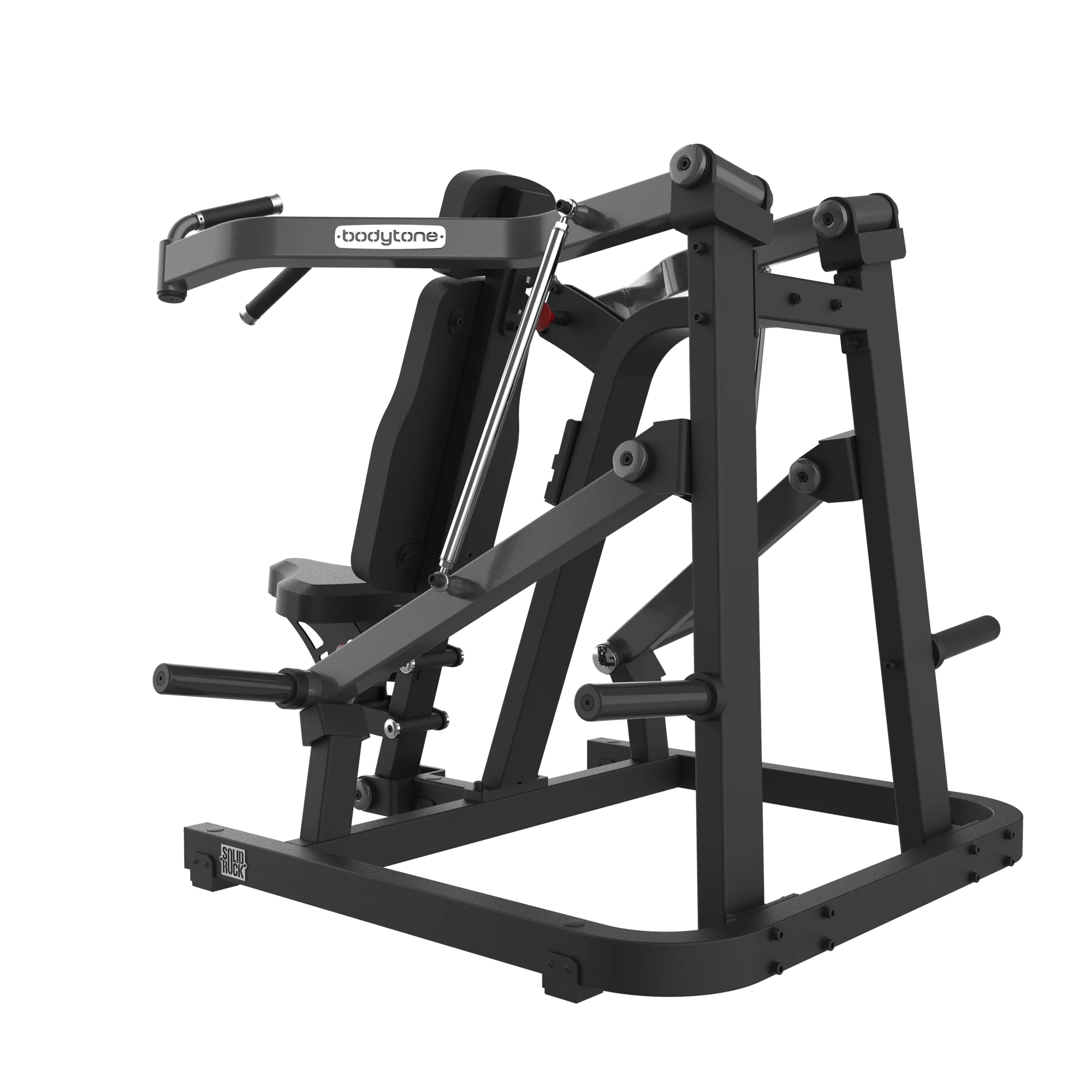
Opening a gym is a dream for many fitness enthusiasts. Yet a great number of operators make their first mistakes at the equipment stage. Between the enthusiasm of the launch and the reality of running the floor, a handful of traps come up again and again and can hold the whole project back. Here is a tour of the most common errors in choosing the wrong machines, and practical advice on avoiding them.
Why the equipment choice matters so much
Selecting the right machines for a gym is not simply a question of budget or appearance. Every one of those decisions has a direct effect on member satisfaction and on long-term profitability. Ignoring the essential criteria leads to unsuitable equipment, which in turn damages growth and retention.
Well-chosen, properly calibrated equipment raises the quality of the training experience, limits wasted spending and encourages members to commit. Neglect it and attendance falls, however attractive the marketing.
The most widespread mistakes when choosing machines
There are many ways to get gym equipment wrong, but certain missteps recur among operators with striking regularity.
Here are the main bad practices to spot early and, above all, how to avoid them so that the business works.
Poor space planning and overloading
Often, out of a desire to offer more or through a lack of forward planning, the room ends up overloaded in some zones and under-equipped in others. This mistake comes from the absence of a plan or of clear objectives for the layout. The result is difficult circulation, a degraded atmosphere and members queuing too long for a station.
To avoid it, assess the available surface precisely and visualise where each machine will sit. A detailed plan helps anticipate how the space will actually be used and prevents bottlenecks between machines.
Failing to account for what members need
Concentrating the offer on premium machines, or on a single type of activity, can look appealing. More often than not it reveals a poor understanding of what members really want. The consequence is a lack of variety in the activities available, which discourages newcomers quickly.
To prevent this, survey the local community, run questionnaires and observe what other clubs are doing. The goal is to cover several disciplines: endurance, strength, cardio and functional space.
Insufficient maintenance and ageing equipment
The investment does not stop at the purchase. Too many gyms end up with obsolete equipment simply because it was never serviced properly. That leads quickly to expensive breakdowns, machines out of service and a disrupted operation.
To avoid it, put a weekly maintenance routine in place and schedule progressive replacement. That preserves the quality of the machine park and keeps members satisfied over time.
Buying equipment that is not certified for the use
The mistake with the highest cost is also the least visible on a showroom floor. Indoor equipment installed in a facility open to third parties must be built and certified to EN ISO 20957-1 class S, the studio class. Anything specified for lighter use has no place in a commercial room, and the declaration of conformity belongs in your hands before delivery rather than after an incident.
How to organise the room better
An inefficient layout is not inevitable. Many errors come from inexperience, and there are simple ways to improve the arrangement and the welcome quickly.
Rethinking how machines are laid out has a direct effect on user satisfaction and creates a functional space people want to come back to.
Anticipate the peak hours
Every gym has busy periods. If the space was not designed to absorb those flows, the result is frustration and disorder. Anticipating the peaks, by creating dedicated zones or adjusting opening hours, is part of running the floor well.
Good management also avoids poor customer service. Sometimes simply rethinking circulation between the areas, cardio, strength and weightlifting, is enough to relieve congestion.
Back modularity and variety
To offset overloading or an underestimate of the space, favour versatile equipment. That makes every square metre pay while offering a varied programme without inflating the budget.
Covering several disciplines and keeping part of the room modular, such as space dedicated to group activities or cross training, energises the club and attracts a broader membership. A cross training cage is often the most efficient answer, because one structure serves many users at once.
The essentials for avoiding the main mistakes
A few simple principles are enough to build a coherent, durable project. Mostly it is a matter of asking the right questions before rushing into a large equipment order.
- Define your objectives and your values precisely so that investment follows a consistent direction.
- Draw up a full list of what your target membership needs so the offer matches real expectations.
- Lay the space out from detailed plans to optimise ergonomics and circulation.
- Budget properly for servicing and maintenance so equipment stays reliable over time.
- Favour versatility in zones and modules so the offer can follow how your membership evolves.
Following these principles avoids a great many disappointments and gradually involves members in the life of the club. That involvement is, in the end, the best advertising available.
Frequently asked questions
How much should be budgeted for maintenance?
It depends on the size of the machine park, its age and how intensively it is used, so it is set from your own inventory rather than from a percentage. What matters is that the line exists in the budget from year one.
Is it better to buy everything at once?
Not necessarily. Phasing the purchase lets you see how the room is actually used before committing the rest of the budget, and it keeps room for the equipment your members ask for.
How do you know whether the equipment mix is right?
Watch the queues. The station people wait for is the one you are short of, and the machine nobody touches is floor space you are paying for twice.
Build the equipment list before the mistakes get expensive
Experience shows that listening to members and reviewing the equipment regularly is the difference between a gym that lasts and a concept that runs out of steam. Whether you are specifying strength training machines or a cardio equipment line, start from the floor plan and the membership rather than from the catalogue. Send us both and request a quote: you will get a layout and a costed equipment schedule.