How to Open a Gym: A Practical Step-by-Step Guide

Opening a gym is first and foremost an industrial project: a building, a floor, a fleet of machines and a service model that has to hold up for ten years or more. Before the first membership is sold, the operator has to answer a short list of hard questions – who is the club for, what will actually be installed in it, and what does that installation cost to run. This guide walks through those questions in the order a professional buyer meets them.
It is written for gym owners, franchisees, hotel and campsite operators, corporate wellness managers, clubs and local authorities who are equipping a new site from scratch. The focus is deliberately practical: concept, business plan, location, layout, equipment selection, legal and financial housekeeping, recruitment, marketing and long-term growth.
Define your gym concept before anything else
The concept decides everything downstream – the floor plan, the equipment mix, the staffing model and the price point. Ask what will make your club distinctive and genuinely attractive to the members you want. Strength-led? Cardio-led? Group classes? A combination of all three?
A clear concept lets you target a specific audience and shape the service around it. A club built around yoga and mobility needs a quiet, low-stimulation studio zone; a strength-led club needs lifting platforms, drop zones and a floor built for loaded barbells. The two buildings look nothing alike, and the equipment budget splits very differently.
Once the concept is settled, it becomes the reference document for the business plan.
Build a solid business plan
A gym that opens without a business plan is a gym that improvises its first two years. The plan is the roadmap for every commercial decision that follows.
It should cover the legal structure of the company, short- and long-term financial targets, the services you intend to sell, and the marketing strategy that will fill the club. Equipment should appear as a capital line with a depreciation horizon, not as an afterthought.
Include a proper competitive analysis. Study the other clubs in your catchment area and identify what makes each of them work – or fail. That analysis is what tells you where to position your own offer and where the genuine gap in the market sits.
Choose the right location
Location is one of the single strongest predictors of a gym’s success. The site has to be easy to reach for the members you are targeting, not merely available.
Look for areas with real demand for fitness services – dense residential districts, business parks, university areas, transport hubs. Check equally that the floor area is large enough for the full equipment plan, including circulation, changing rooms and storage, and not just the training zones.
Before signing a lease, verify the local rules that apply to operating a gym in that building: noise limits, parking obligations, fire safety and public-access requirements. These vary by country and by municipality, and they are checked at the licensing stage rather than after fit-out. Where the building falls under national rules for premises open to the public, confirm the applicable category with the local authority before committing.
Design the space and select the equipment
Once the site is secured, the interior layout comes next. Think about overall zoning and about how members will circulate through the club at peak hour without crossing loaded lifting areas.
Invest in equipment that matches the concept and the intensity of use. Indoor fitness equipment for commercial premises is covered by EN ISO 20957-1 class S – the class intended for supervised, professional use. Domestic-grade machines do not survive a commercial duty cycle, and specifying them is the most expensive saving a new operator can make.
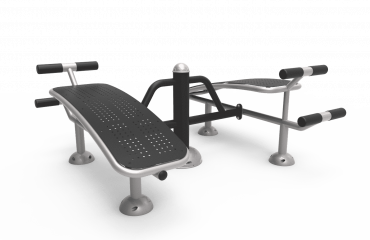
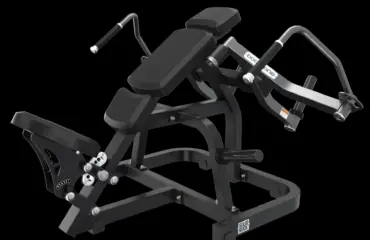
In practice the shopping list splits into three families: cardio equipment for treadmills, bikes, rowers and cross-trainers; strength training machines for selectorised and plate-loaded stations, benches and racks; and rubber gym flooring tiles for the surface that protects the slab, the machines and the members underneath them.
Do not neglect the atmosphere either. Lighting, colour, sound and dedicated stretching or recovery corners are what turn a warehouse full of machines into a club people renew.
Handle the financial and legal side properly
Accounting discipline is what keeps a gym solvent through its first winter. Put a proper bookkeeping and billing system in place from day one so that revenue and expenditure are tracked in real time rather than reconstructed at year end.
On the legal side, take advice from a lawyer familiar with the fitness sector in your country. They will confirm the licences you need, the insurance cover required for a supervised training environment, and the liability position of the operator.
Set out clear written policies on membership, contract cancellation and member responsibility. Ambiguity in the membership agreement is the most common source of disputes in the sector.
Recruit a competent team
The member experience is delivered by people, not by machines. Recruit qualified instructors across the disciplines your concept covers so that the class timetable has genuine variety.
Make sure the whole team is trained on the equipment itself and can give members competent technical advice on the floor. Manufacturer induction sessions at handover are worth scheduling into the opening plan.
Build a real team culture with regular briefings and open communication. Your staff are the visible face of the club, and their engagement shows in retention figures.
Put effective marketing in place
Use social media to promote the club and to talk to the audience you defined in the concept stage. Local, visual and consistent beats sporadic and generic.
Publish useful content on your website or blog so that people searching for training advice in your area find you. Introductory offers and free trial sessions remain the most reliable way to convert local curiosity into a first visit.
Do not underestimate word of mouth. Encourage satisfied members to recommend the club and reward them when they do.
Sustain growth over the long term
Growth comes from listening. Survey members regularly, or simply ask them directly what they think of the service, and act visibly on what comes back.
Track sector trends and adapt: new class formats, new equipment categories, partnerships with local businesses for events. A club that looks the same in year five as it did on opening day is a club that is losing members quietly.
Finally, stay involved. Owner engagement is visible to members and it shapes the whole atmosphere of the club.
Frequently asked questions
What should be decided before the equipment budget?
The concept and the target audience. The equipment mix is a consequence of those two decisions, not an input to them.
Which standard applies to indoor gym equipment?
EN ISO 20957-1 class S covers stationary training equipment for supervised professional use, which is the class required for commercial premises.
Does the flooring really need to be specified separately?
Yes. The floor protects the building structure, absorbs impact under free weights and controls noise transmission. It is a structural choice, not a finish.
How long does a full fit-out take to plan?
That depends on the site, the works involved and the equipment lead times, all of which are confirmed at quotation stage for your specific project.
Ready to equip your club?
Opening a gym is demanding, but it is a well-mapped process. Stay faithful to the concept, specify professional-grade equipment from the start, and build the service around the members you actually want. Light In Fitness has been equipping professional training facilities since 2013 and can work through the layout and equipment plan with you.
Request a quote for your project and we will come back with a full equipment proposal.