Which Professional Gym Equipment Brands Are Most Reliable?
Ce que les gérants de salles appellent fiabilité se mesure au taux d'immobilisation des machines, pas à la notoriété de la marque. Les critères déterminants sont la disponibilité des pièces d'usure, le délai d'intervention et la simplicité de la maintenance de premier niveau. Une marque réputée mais mal approvisionnée coûte plus cher à l'exploitation.
Ask ten gym operators which professional strength equipment brand is the most reliable and you will get ten answers, most of them shaped by one bad experience with a spare part. That is not a coincidence. On a commercial floor, reliability is not a mechanical property of a machine, it is an operating result: how many units are out of service this month, and how fast they come back. This article sets out what operators actually mean by reliability, why no credible public ranking exists, and which evidence to demand from a brand or supplier before signing.
What operators actually mean by reliability
In day-to-day management, reliability translates into a short list of concrete outcomes:
- few machine stoppages, and few recurring small faults
- fast return to service when an incident does happen
- wear parts available and still catalogued years after purchase
- a warranty that is readable and applied without argument
- technical support able to diagnose remotely, from photos, video and a checklist
In other words, perceived reliability is a combination of mechanical quality and the supplier ability to keep the floor operational. A brand can be mechanically excellent and still cost you dearly if the part you need cannot be sourced.
Why there is no perfect public ranking
There is generally no single standardised, comparable public ranking that scores professional strength brands on reliability alone. Even where operator feedback exists, it stops being comparable unless four variables are normalised:
- usage volume: hours per day, user profile, loads, intensity
- installation conditions: floor, level, anchoring, environment
- maintenance: preventive schedule, cleaning, inspections, adjustment
- the definition of a service ticket: breakdown, normal wear, adjustment or damage
Two identical machines in a boutique studio and in a twenty-four-hour club do not live the same life. This is why experienced operators ask for evidence and for indicators expressed against usage, rather than trusting a top-brands list.
The evidence to ask a brand or supplier for
Field evidence
- references from comparable installations: type of site, footfall, usage pattern
- the wear-parts list, with replacement frequency and cost
- maintenance documentation and adjustment procedures
- the written warranty, its scope and its exclusions
Service KPIs
- incident rate against usage, for example incidents per 1,000 hours
- average diagnosis time
- average time to return to service
- parts lead time, including stock policy and reference tracking
Some manufacturers state openly that they cannot service machines once spare parts for that generation are no longer produced, and restrict support to equipment bought through official channels. That position is a useful signal in itself: it shows that parts availability and traceability weigh as much as the badge on the frame.
Service and parts: where operator satisfaction is actually decided
A machine can be solid and still generate downtime if parts are slow to arrive. Operators therefore tend to favour brands and suppliers that hold stock sized for their own ranges, run an integrated service process from diagnosis through parts dispatch to intervention, and keep references alive over time instead of letting a generation go obsolete after a few seasons.
Two things are worth checking in writing before the order: the exact scope and duration of the warranty by component, and the commitment on parts availability. Both are easier to negotiate before signature than after a failure.
A simple method for choosing a genuinely reliable brand
- Define your usage profile: footfall, peak hours, loads, member typology.
- Standardise a technical checklist covering frame, mechanical components and adjustment.
- Compare service KPIs on identical terms: incidents against usage, time to return to service, parts lead time.
- Verify warranty and parts availability in writing, including compatibility across generations.
- Put a maintenance plan and a minimum wear-part stock in place from opening day.
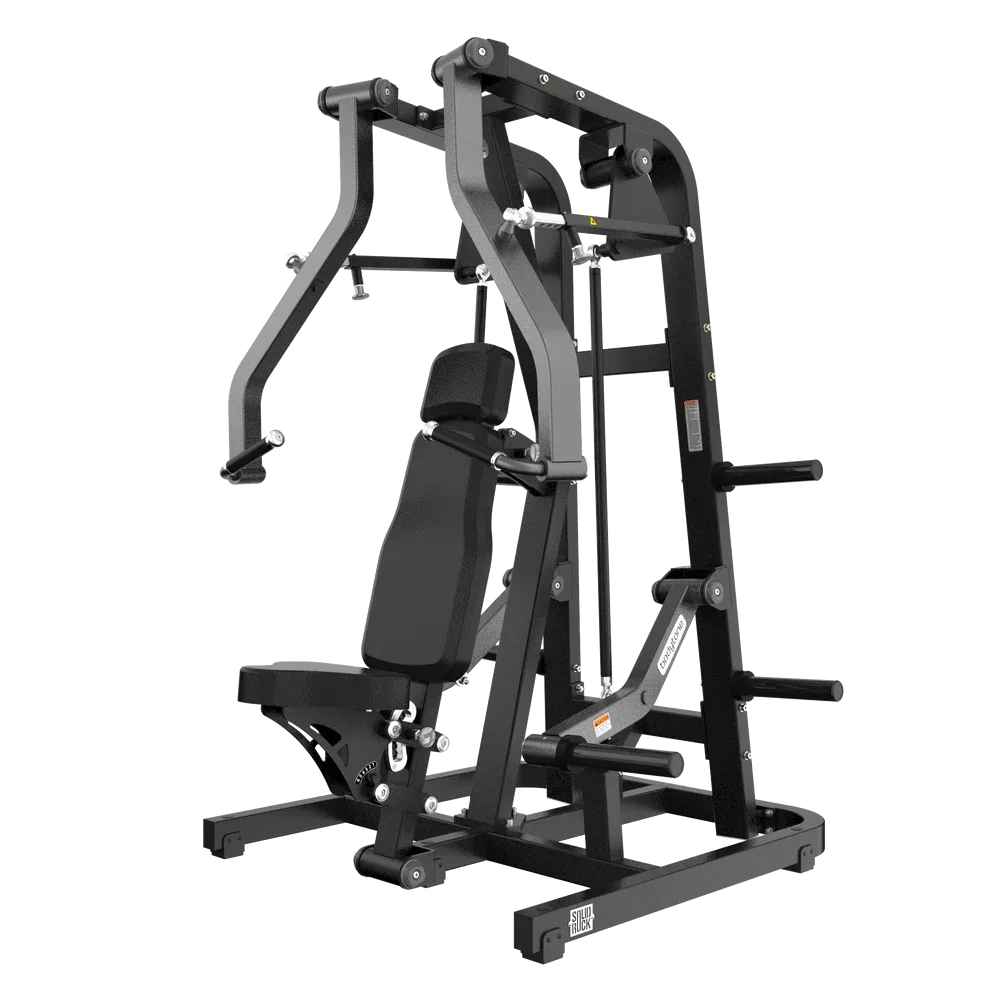
Standardising the floor around a coherent range does more for uptime than picking the best-reviewed machine in each category. A mixed floor multiplies part references, service contacts and training requirements. Building the core of the floor from one professional strength equipment range and completing it with high-rotation fitness accessories is the simplest way to keep the parts list short.
Whatever the brand, indoor equipment for a commercial site must be built to EN ISO 20957-1 class S, the class intended for use without permanent supervision. Any specification that drops below that class does not belong on a commercial floor, however attractive the price.
Reducing downtime rather than chasing a badge
The operating objective is straightforward: fewer incidents, and shorter stoppages when an incident occurs. That comes from a coherent floor specified for intensive use, a readable warranty, a structured service process and parts that stay available. Brand reputation is a proxy for those things; it is not a substitute for them.
Frequently asked questions
Is there a reliable public list of the most trusted brands?
There is generally no single standardised, comparable public ranking that scores professional strength brands on reliability alone. Ask for field evidence and service KPIs expressed against usage, then compare on identical terms.
What do operators value most when they talk about reliability?
Availability of the floor: few stoppages, fast diagnosis, tracked parts, a clear warranty and effective service. A brand can be robust and still disappoint if parts cannot be obtained.
Which KPIs should I ask a supplier for?
Incident rate against usage, for example incidents per 1,000 hours; average diagnosis time; average time to return to service; parts lead time; and the service process itself, from diagnosis to dispatch and intervention.
How do we cut incidents and service tickets from opening day?
Standardise the floor, put a simple maintenance plan in place, train the team on adjustment, hold a minimum stock of wear parts, and choose a supplier able to sustain support and parts over the life of the equipment.
Getting a reliability-led recommendation
The right answer depends on your floor area, your footfall, your budget and your site constraints. Send us those parameters and we will return a specification built around uptime rather than around a brand name. Request a quote to start.