Glute Training Machines: Choosing the Right Equipment
Trois familles de machines ciblent les fessiers : le hip thrust guidé, l'abduction de hanche et le kickback à la poulie. Le hip thrust place la tension maximale en fin d'extension de hanche, position où le squat et la presse ne chargent presque plus. Un plateau complet associe ces postes aux charges libres.
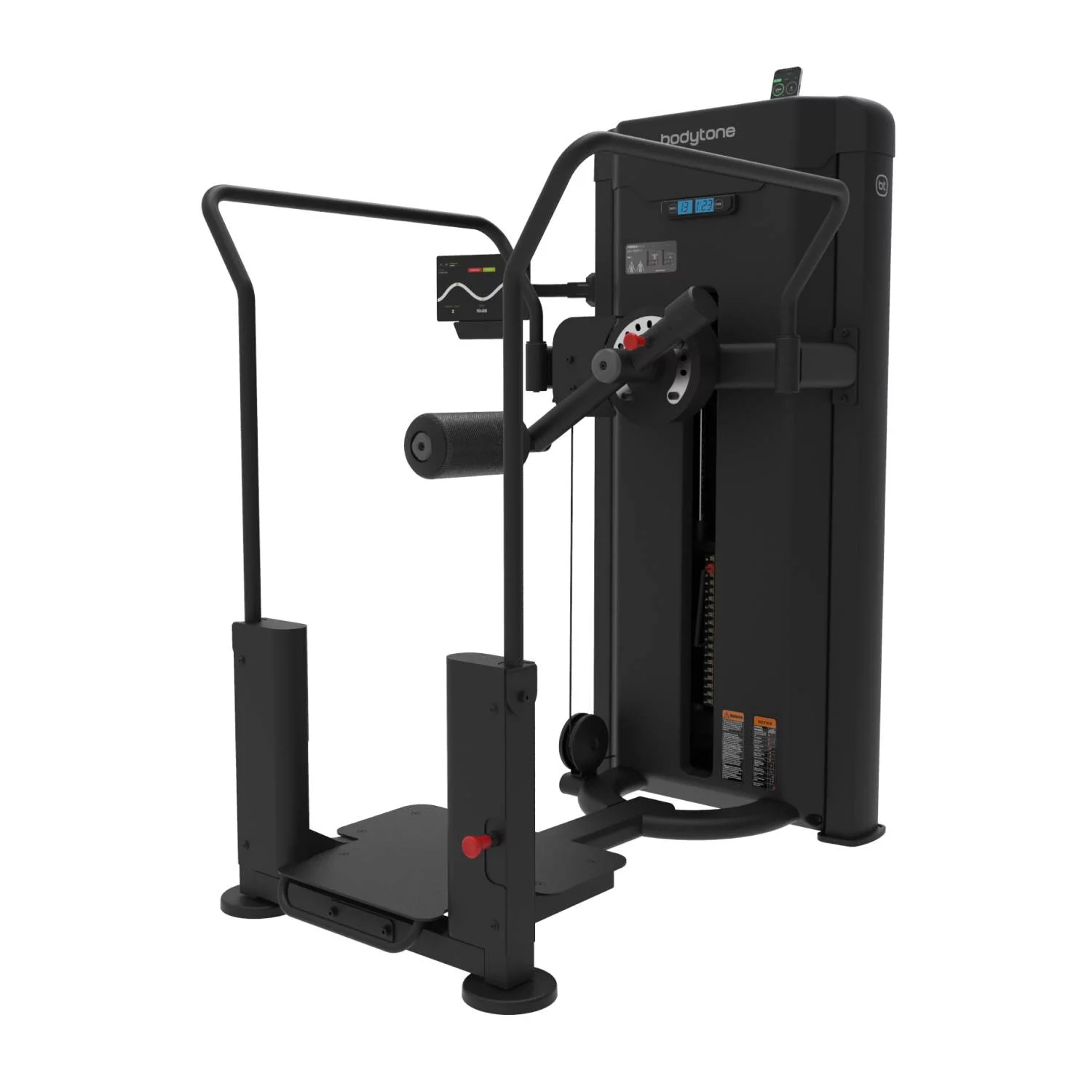
Three families of machine target the glutes: the guided hip thrust, the hip abduction machine and the cable kickback. The hip thrust places peak tension at the end of hip extension – exactly the position where the squat and the leg press have almost stopped loading. A complete strength floor pairs these stations with free weights rather than choosing between them. This guide sets out what each family actually loads and how to specify the zone for a commercial facility.
The muscles you are actually equipping for
The gluteal group is three muscles, not one. Gluteus maximus is the prime mover in hip extension and the muscle the hip thrust is built around. Gluteus medius and minimus abduct the hip and stabilise the pelvis in single-leg stance – which is why they matter for gait, for running and for injury prevention, and why an abduction station is not a cosmetic add-on.
That anatomical split is the reason a glute zone needs more than one machine. No single station loads hip extension and hip abduction well, and a floor equipped for only one leaves half the group untrained.
The three machine families
Guided hip thrust
The strength station of the glute zone. It loads hip extension through full range with the peak resistance at lockout, and the guided version removes the barbell setup that makes free-weight hip thrusts awkward and intimidating on a busy floor. It is the station members queue for once it is installed, which is worth knowing before you buy just one.
Hip abduction machine
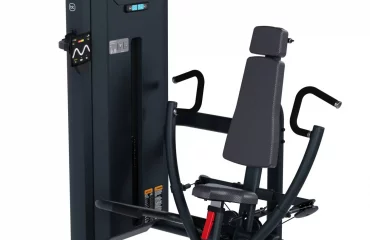
Loads gluteus medius and minimus directly in a seated position. Selectorised abduction units are among the highest-turnover stations on a commercial floor because the movement is simple, safe unsupervised and immediately understood. Look for machines that also offer the adduction movement, or plan both if the space allows.
Cable kickback
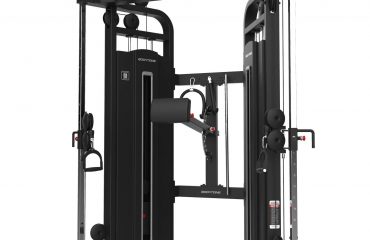
Unilateral hip extension against a cable, with continuous tension through the range and no locked movement path. It corrects side-to-side asymmetries that bilateral stations hide, which makes it useful in athletic preparation and rehabilitation as much as in general fitness.
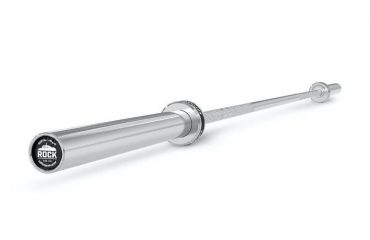
Free weights complete the zone rather than compete with it: squats, deadlifts and lunges load the glutes as part of larger patterns, and the machines add the isolation and the end-range tension those patterns miss.
What to check before specifying
- Build standard: for indoor commercial use, specify equipment built to EN ISO 20957-1 class S.
- Footprint: measure the machine plus the entry and exit path, not the machine alone. A hip thrust station needs clear space at the loading end that catalogue drawings often omit.
- Load increments: the glutes tolerate heavy loading, so check the top of the stack as well as the increments. An abduction machine whose stack tops out too low becomes useless to your strongest members within months.
- Adjustment: pad positions have to accommodate a wide range of leg lengths and hip widths without tools. On abduction machines, check the starting-width adjustment specifically; a fixed start position excludes part of your membership.
- Upholstery: the hip thrust pad takes concentrated load in one place. Ask about pad replacement cost and lead time before committing.
Sizing the zone
A functioning glute zone on a general fitness floor is one hip thrust station, one abduction unit and access to a cable station. Facilities where the membership skews towards lower-body training will need a second abduction unit before a second hip thrust, simply because the abduction movement has shorter sets and higher turnover. Placing the zone near the free-weight area rather than among the cardio machines keeps the traffic pattern sensible.
Frequently asked questions
Do glute machines replace squats and deadlifts?
No, and they are not meant to. Compound lifts train the pattern under load; the machines add end-range tension and isolation the compounds do not provide. A complete floor carries both.
Which single machine should a facility install first?
The guided hip thrust, if the floor can only take one. It loads the largest muscle of the group in the position where nothing else loads it well.
Is an abduction machine only useful for aesthetics?
No. Gluteus medius and minimus stabilise the pelvis in single-leg stance, which makes abduction work relevant to gait, running mechanics and injury prevention, and standard in rehabilitation settings.
Are these machines suitable for unsupervised use?
Guided and selectorised stations are, which is part of their value on a staffed floor with limited coaching capacity. Free-weight hip thrusts benefit from an induction; the guided version largely removes that need.
Browse the Bodytone booty area range and the wider strength training machines, or request a quote for a complete glute zone.