French Touch Diving: Dive Club in Bohol, Philippines
Some places call you. The Philippines, with more than 7,000 islands and an underwater biodiversity that is hard to overstate, is one of them. If you have been circling the idea of learning to dive, or of finally taking your logbook somewhere that deserves it, French Touch Diving is a French-run dive centre based on Panglao, in Bohol, and it exists for exactly that. The water is warm, the visibility is generous, and the marine life turns up whether or not you booked it.
Discover the French dive club in the Philippines
What the French Touch experience actually means
Training quality is where this centre refuses to compromise. Whether you are stepping into the water for the first time or preparing your hundredth descent, the teaching is taken seriously. That does not mean a dull classroom. The instructors are enthusiasts before they are teachers: ocean obsessives, reef nerds, people who will interrupt a briefing to point out a whale shark passing in the distance.
The programme covers the full range, from a first try dive and open water certification through to professional-level training for those who want to teach. Bring your fins, your mask and a sense of adventure; everything else is handled. What you actually join is less a dive shop than a small community held together by the same enthusiasm.
Diving the Bohol marine sanctuary
Diving in Bohol is like opening an oversized pop-up book of marine life, except the three-dimensional effect needs no glasses. This is a protected marine sanctuary, and the difference protection makes is immediately visible: rainbow-scaled fish over vivid coral, and encounters that make the surface interval feel like an interruption.
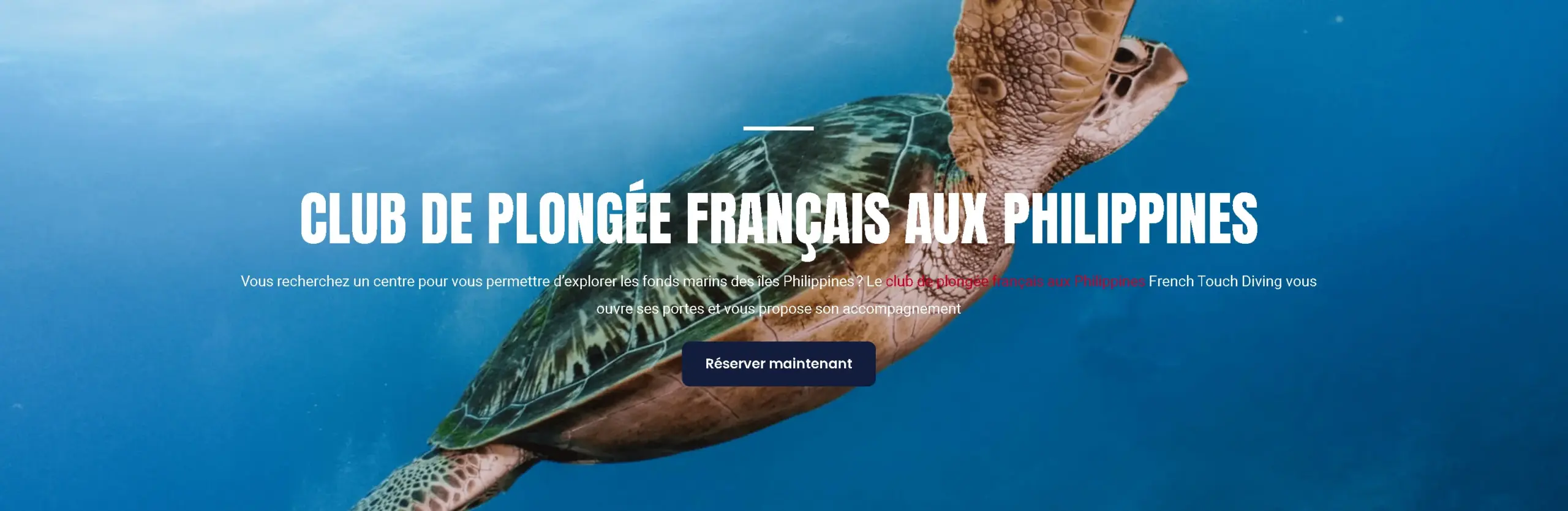
Expect unhurried turtles, which would make excellent guides if they were not so committed to lounging. Expect clownfish behaving like teenagers on a Friday night, and starfish so composed they do not raise an arm to acknowledge you. The sites at Balicasag and Pamilacan are the headline acts, the kind of dive you do not want to end. And if a wall of sardines looks straight through you, take it personally at your own risk: they are probably just shy.
Conservation is not a marketing line here
A dive centre lives on the reef it takes people to, and this one behaves accordingly. Protecting the site comes first, and teaching responsible practice comes with it, so that the next generation of divers still gets to meet a full-grown turtle rather than read about one.
Guests are also invited on eco-tours that go slightly off the standard route. If you have ever wanted to be an environmentally responsible Aquaman, this is where that happens. It is a small thing to ask of a holiday and it makes a measurable difference to the reef.
Beyond the diving: the rest of the trip
Not everything happens underwater, much as the team might wish otherwise. Accommodation options are chosen for their environmental credentials, close enough to the water that the sea does the work of a white noise machine.
Above the surface there is Panglao itself and the local culture of the island, where a few words of Bisaya will get you further than you expect. Add waterfall hikes, scooter rides to loosen the legs after a day of diving, and a sunset yoga session for anyone with an inner yogi to release. Between the dives and the land days, you go home with a properly balanced tan.
The people you will dive with
The divers who come back are the best argument for the place. The testimonials read like fans of a series that just dropped a new season: bright eyes, wide grins, an inability to talk about anything else for a fortnight.
What you find here is not a customer list. It is a group of people who share more than an air supply, who prefer their bubbles in the water rather than in a glass, and who genuinely want you to see what they saw. Aspiring Aquamen, romantic mermaids, committed fish defenders and pure adrenaline seekers all fit. Even people who think coral is just a shade of pink are welcome; they usually leave corrected.
Frequently asked questions
Do I need to be certified to dive here?
No. The centre runs first-time try dives as well as full certification courses, so you can start from zero and leave with a qualification.
Where exactly is the centre?
On Panglao, in Bohol, with the Balicasag and Pamilacan sites within reach.
What is there to do on non-diving days?
Waterfall hikes, scooter trips around the island, local culture in Panglao, and yoga at sunset for the days you want to stay dry.
How do I book?
Contact the French Touch Diving team directly through their site, then pack.
Ready to get in the water
Swap the land clothing for a wetsuit, fins and a mask. Contact the team, book the trip, and go and collect the bubbles, the technicolour fish and the memories. The deep blue is not going anywhere, but the season is.