Why Choosing the Right Equipment Decides How Effective Training Is
Le choix des appareils conditionne l'efficacité d'une séance autant que le programme lui-même. Un appareil mal adapté à la morphologie de l'utilisateur dégrade la biomécanique et limite la charge utilisable. Les réglages disponibles et leur simplicité comptent donc autant que la qualité de fabrication.

Equipment selection decides how effective a training session is, just as much as the programme written around it. For a gym operator, a hotel, a club or a rehabilitation centre, the machines on the floor determine what members can actually do, how safely they can do it, and how long the investment lasts. This article sets out why the choice matters and how to make it methodically rather than by catalogue impulse.
Why the right equipment changes the outcome
A machine that does not fit the user degrades the biomechanics of the movement and limits the load that can safely be handled. That is the core of the matter: the adjustments a machine offers, and how quickly they can be made, count as much as build quality. On a busy floor, a seat that takes thirty seconds to set is a seat that nobody sets.
Performance
Well-chosen equipment lets users work at the level they are actually capable of. Quality dumbbells allow heavier loading and genuine strength progression. A commercial-grade treadmill supports longer, faster running without the machine becoming the limiting factor. In both cases the equipment stops being a constraint and starts being a tool.
Injury risk
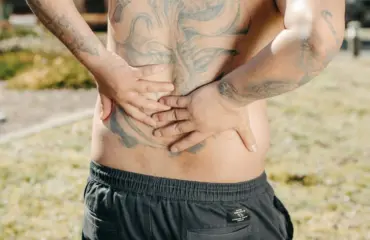
This is the strongest argument of all. Poor-quality or badly matched equipment leads to sprains, muscular strains and worse. Equipment designed for professional use provides the support and stability that keep a movement in its intended path, which substantially reduces risk during training – and reduces your exposure as the operator.
Comfort and usability
Comfort is not a luxury on a commercial floor; it is a retention metric. An ergonomic exercise bike with a properly padded seat allows a longer session without discomfort. The same logic applies across the range: if the user is thinking about the machine, they are not thinking about the training.
Durability
Cheap equipment wears quickly and needs replacing often. Equipment built for continuous commercial duty lasts, which is what makes it cheaper over the life of the installation even when the purchase price is higher. Our professional strength training machines are specified on exactly that basis.
How to choose: a working method
1. Research before you shortlist
Compare brands, models, specifications and prices before committing. Read what other operators say, look at how the manufacturer supports the product, and check what the warranty actually covers. An informed shortlist is worth more than a long one.
2. Try the equipment
Wherever possible, test before you buy. A showroom visit or a session on an equipped floor tells you in ten minutes what a specification sheet cannot: how the machine feels under load, how fast it adjusts, how solid it is at the extremes of its range.
3. Take professional advice
If you are equipping a new facility, or if part of your audience has specific needs after injury or with a medical condition, take advice. A coach, a physiotherapist or an equipment specialist will steer the selection towards what your users can actually use, and away from what merely looks impressive.
4. Check the standards
This is the check most often skipped. For indoor equipment intended for professional use, the reference is EN ISO 20957-1 class S. Ask for the documentation, and confirm that the class stated matches the use you are putting the machine to. Independent testing and certification are what separate a claim from a fact.
5. Set a realistic budget
Professional equipment costs more than the alternatives, and it earns that difference back over the life of the floor. Where the budget is tight, phase the purchase: equip the zones that carry the most traffic first and extend later, rather than filling the room with equipment that will not survive the first year.
6. Do not forget the accessories
Mats, resistance bands, gloves and small equipment are what make a floor usable across a range of abilities, and they are almost always underspecified. Our fitness accessories range covers the small equipment that turns a set of machines into a training offer.
Frequently asked questions
What is the essential equipment for a compact facility?
A workable minimum combines one cardio option, one loaded strength option, free weights and small equipment such as mats and resistance bands. That mix lets a small floor cover most of the movement patterns members expect.
Can strength machines be used for weight management?
Yes. Strength training burns calories and raises metabolic demand, which supports weight management. It works best combined with balanced nutrition and cardiovascular work rather than on its own. Our cardio equipment range covers that second half.
Are strength machines safe for beginners?
Yes, when used correctly and with supervision. Beginners should start slowly, learn the movement pattern before adding load, and use weights appropriate to their current level. Guided machines are generally the safest starting point.
What are the benefits of cardio machines?
Treadmills, exercise bikes and cross trainers improve cardiovascular health, burn calories, build endurance and strengthen the leg musculature. They are also the machines most members are comfortable using without instruction.
What equipment suits rehabilitation after injury?
Resistance bands, exercise balls, mats and low-impact guided machines are the usual starting points. Any rehabilitation programme should follow the advice of the healthcare professional managing the case.
Is it better to buy online or in a showroom?
For professional equipment, buy with expert guidance and see the machines in a showroom where you can. Trying the equipment and getting a specification checked against your floor is worth more than a price comparison. If you do buy remotely, read the warranty and return terms carefully first.
Getting the specification right
Choosing the right equipment improves performance, lowers injury risk, keeps users comfortable and protects the investment. Research properly, test where you can, take advice, verify the standard, budget realistically and do not forget the small equipment. Send us your floor area, your user profile and your objectives and our team will build a specification around them. Request a quote to get a costed configuration for your site.