How to Choose the Right Personal Trainers for Your Facility
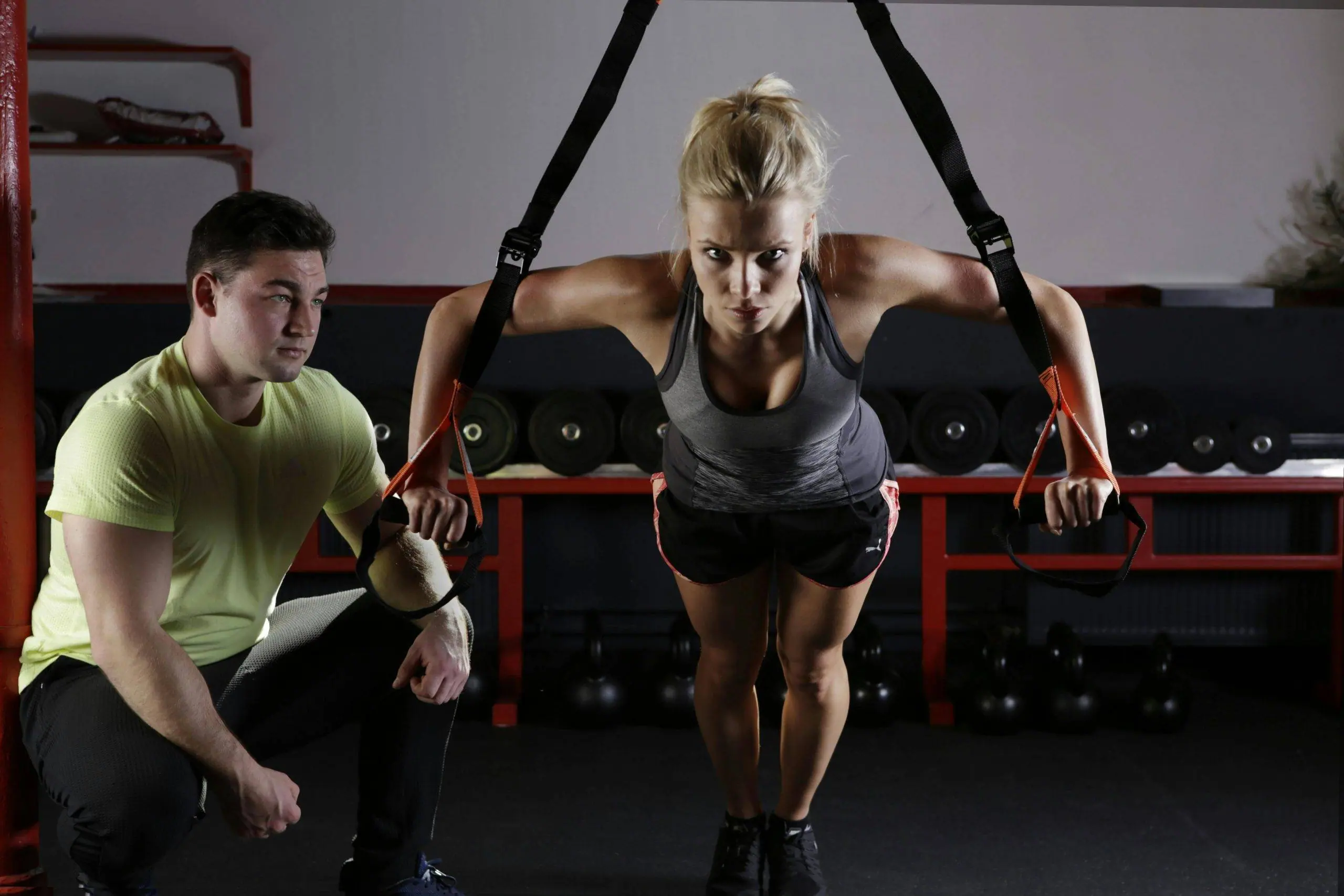
Members do not renew because of the equipment alone. They renew because someone showed them how to use it, set a plan they could follow and noticed when they stopped coming. That makes coaching a commercial decision as much as a technical one, whether you employ trainers directly, host self-employed coaches on your floor or recommend partners to your members. This guide sets out the criteria that gym owners, hotel and residence managers, clubs, corporate wellness spaces and local authorities should apply when selecting the coaches who will work in their facility.
Start with specialisation, not availability
The most common mistake is hiring for the schedule gap rather than for the demand. A trainer who is excellent with performance athletes will not necessarily retain a beginner who wants to lose weight, and a group instructor is not automatically the right person for post-injury work.
Map the coaching profiles you actually need before you interview anyone. In most facilities that means some combination of:
- Physical preparation for a competition or a sporting event.
- Reconditioning after injury, in liaison with the medical professionals responsible for the case.
- Strength training and technique on machines and free weights.
- General fitness and return to activity for sedentary members.
- Weight-management support, within the limits of the coach qualification.
A mid-sized facility rarely needs all five in one person. It needs a small team whose specialisms cover the member base, and an honest handover between them when a member no longer fits a given coach.
Qualifications and real experience are two different checks
Ask for the qualification and verify it. In every European market, working as a paid fitness professional requires a recognised qualification, and the exact framework, title and registration requirements differ from one country to another. Check what applies in your own jurisdiction, ask for the document rather than the claim, and keep a copy on file: in the event of an incident, that file is what your insurer will ask for.
Qualifications alone do not predict performance on the floor. Certification says the coach met a standard once; it says nothing about how they handle a nervous first session, a member who plateaus, or a full floor at 18:30. So run a second, separate check on experience: how long they have practised, with which populations, what they have actually produced with members comparable to yours, and how they train themselves. A trial session with a real member, observed, tells you more than any document.
Be sceptical of online reviews as a selection tool. They are easy to manufacture and they say little about how a coach performs inside your specific facility.
Decide how the coaching should be delivered
The delivery format shapes both the member experience and your economics, and it should be a deliberate choice rather than whatever the coach proposes.
- One-to-one on the floor. Highest perceived value, highest retention effect, lowest throughput. It works best as a paid add-on and as the onboarding format for new members.
- Small group coaching. Better revenue per coaching hour and a strong social effect on retention, provided the equipment allows several members to rotate through stations without waiting.
- In-home coaching. Rarely relevant to a facility, except for hotels and residences offering it as a service.
- Remote or hybrid follow-up. Useful between sessions and for members who travel, and increasingly expected alongside on-site work.
The format you choose has equipment consequences. Small group work needs enough duplicate stations to keep a circuit moving, which is where professional strength training machines and a coherent cardio equipment line-up decide whether a session flows or stalls.
What to put in the agreement
Whether the coach is employed or self-employed, write down the essentials before they start: insurance cover and who holds it, the qualification on file, access hours, which equipment may be used and how, whether the coach may sell to your members, what happens to their clients if the arrangement ends, and the reporting you expect. Ambiguity on these points is the single most common source of conflict between operators and coaches.
Should we employ trainers or host self-employed coaches?
Employment gives you control over the member experience and the schedule; hosting self-employed coaches lowers fixed costs and shifts the commercial risk. Many facilities run both. Whichever you choose, the qualification, insurance and equipment rules must be identical.
How do we check a qualification is genuine?
Ask for the original document and verify it with the issuing body or the national register that applies where you operate. Requirements differ between countries, so verify against your own national framework rather than assuming a foreign certificate transfers automatically.
Can a coach give nutrition advice to our members?
Only within the limits of their qualification. General guidance on balanced eating is usually acceptable; individual diet plans and clinical nutrition belong to qualified dietitians. Make the boundary explicit in the agreement, because the liability is yours as well as theirs.
Equip the floor your coaches will work on
Good coaches leave facilities where the equipment cannot support the sessions they want to run. Tell us your surface area, your member profile and the coaching formats you plan to offer, and we will propose a configuration that fits. Request a quote and our team will come back with a layout and a specification for your project.