
Weightlifting rubber flooring tiles
Weightlifting rubber flooring tiles: our professional selection
Repères de gamme — 8 modèles, dont 7 à prix affiché : 30 €–64 € HT par appareil ; marques : Bodytone (calcul du 30/09/2026).
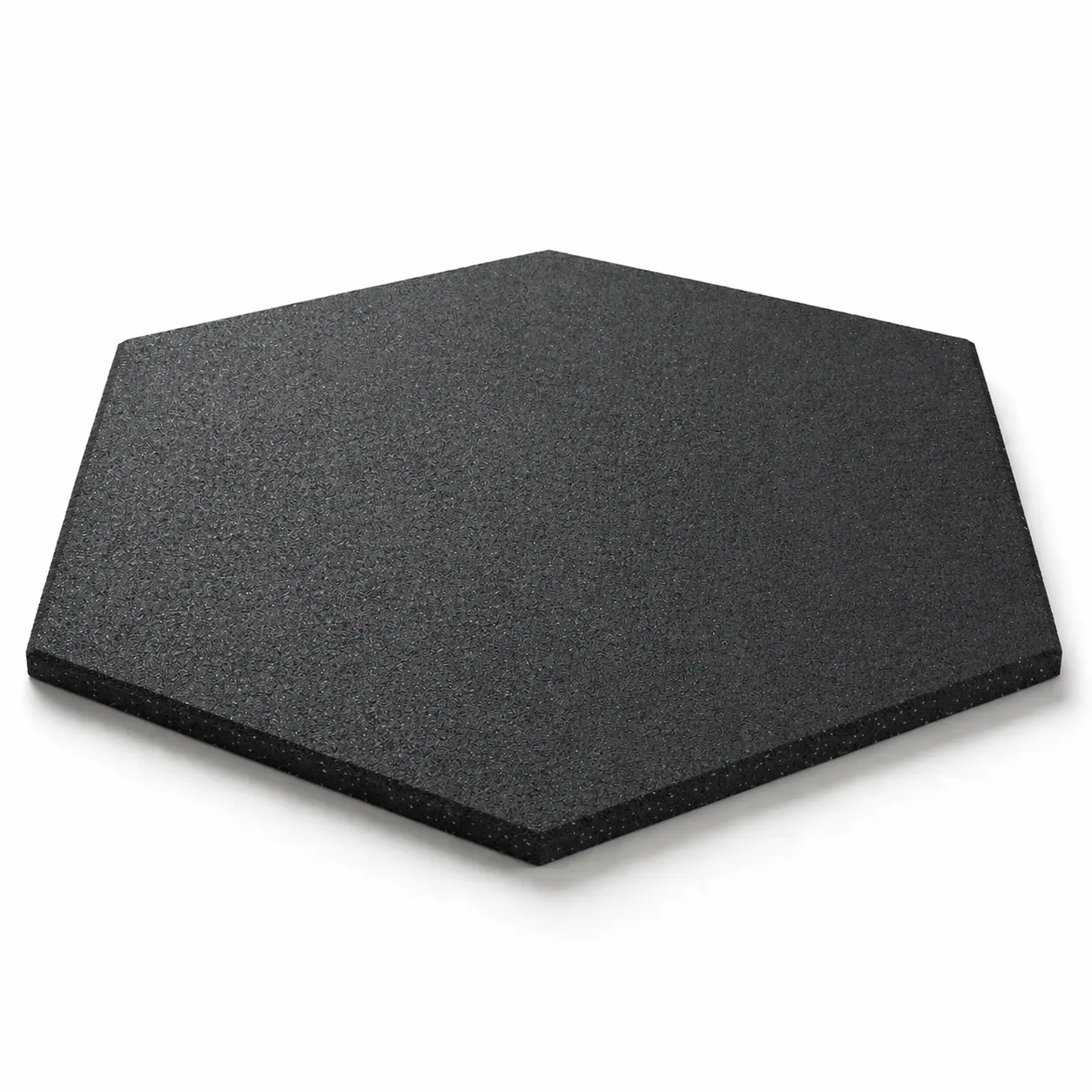
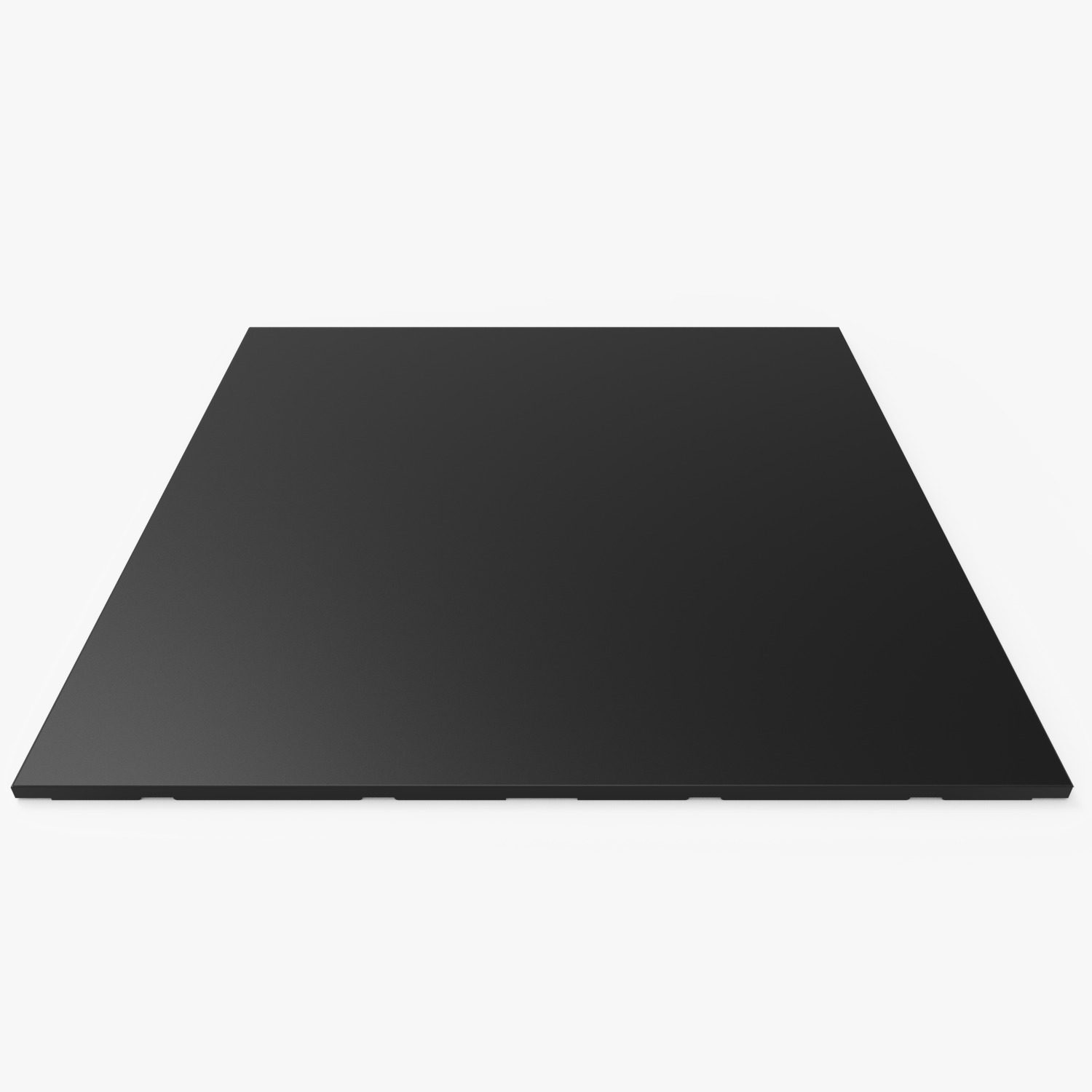
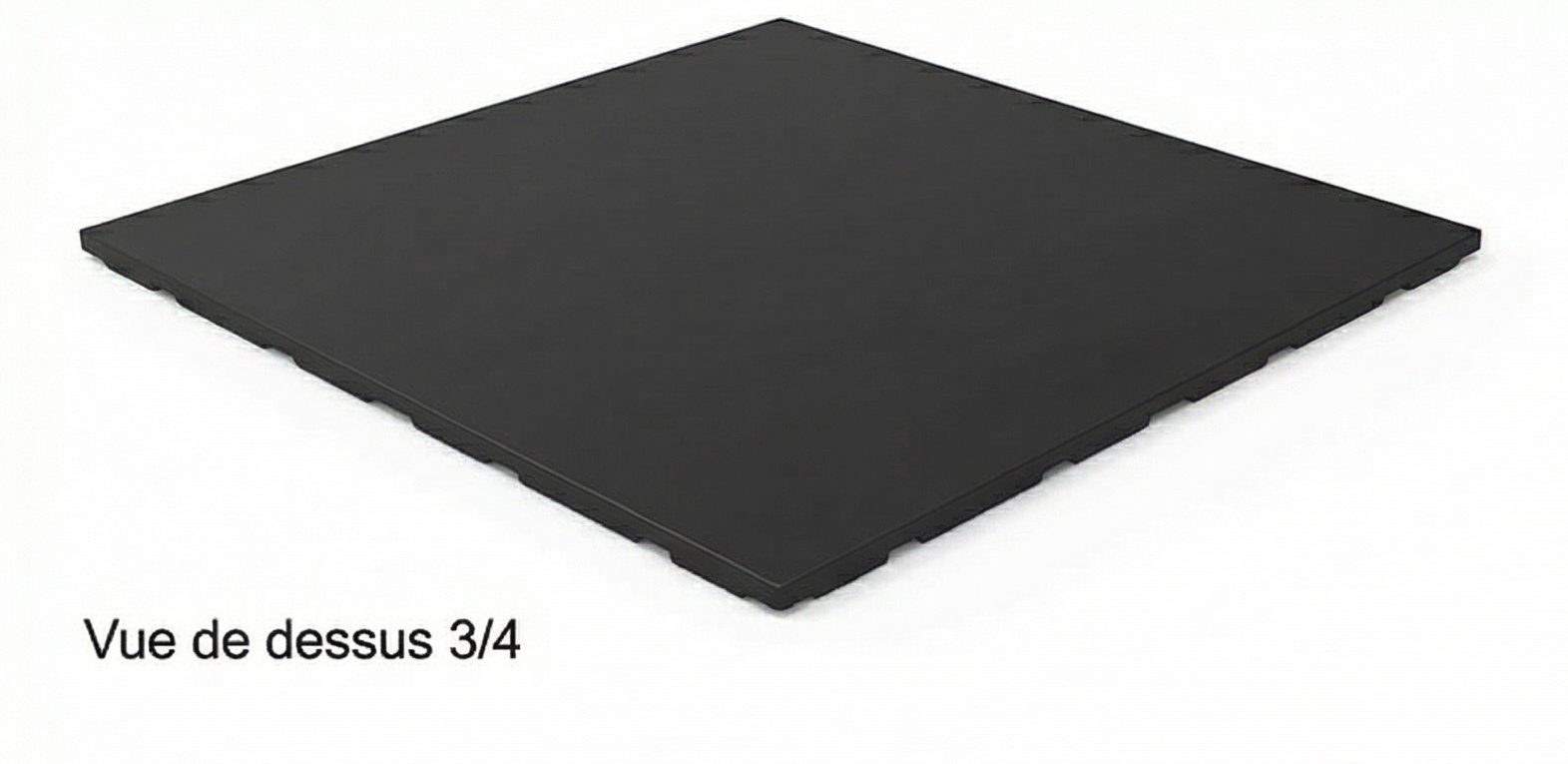
Weightlifting rubber tiles are designed for heavy strength areas and for spaces dedicated to powerlifting, CrossFit and Olympic weightlifting. The selected tile and complete floor assembly must be matched to the loads, drop heights, frequency of use and substrate. Thickness alone does not guarantee protection of the building or acoustic performance.
What defines our sports flooring
| Thicknesses and formats | From 6 to 60 mm, up to 100 mm for extreme use. Formats 50 × 50, 50 × 100 and 100 × 100 cm, plus mats and rolls |
|---|---|
| Density | 900 to 1,000 kg/m³ depending on the reference, stated on every product page |
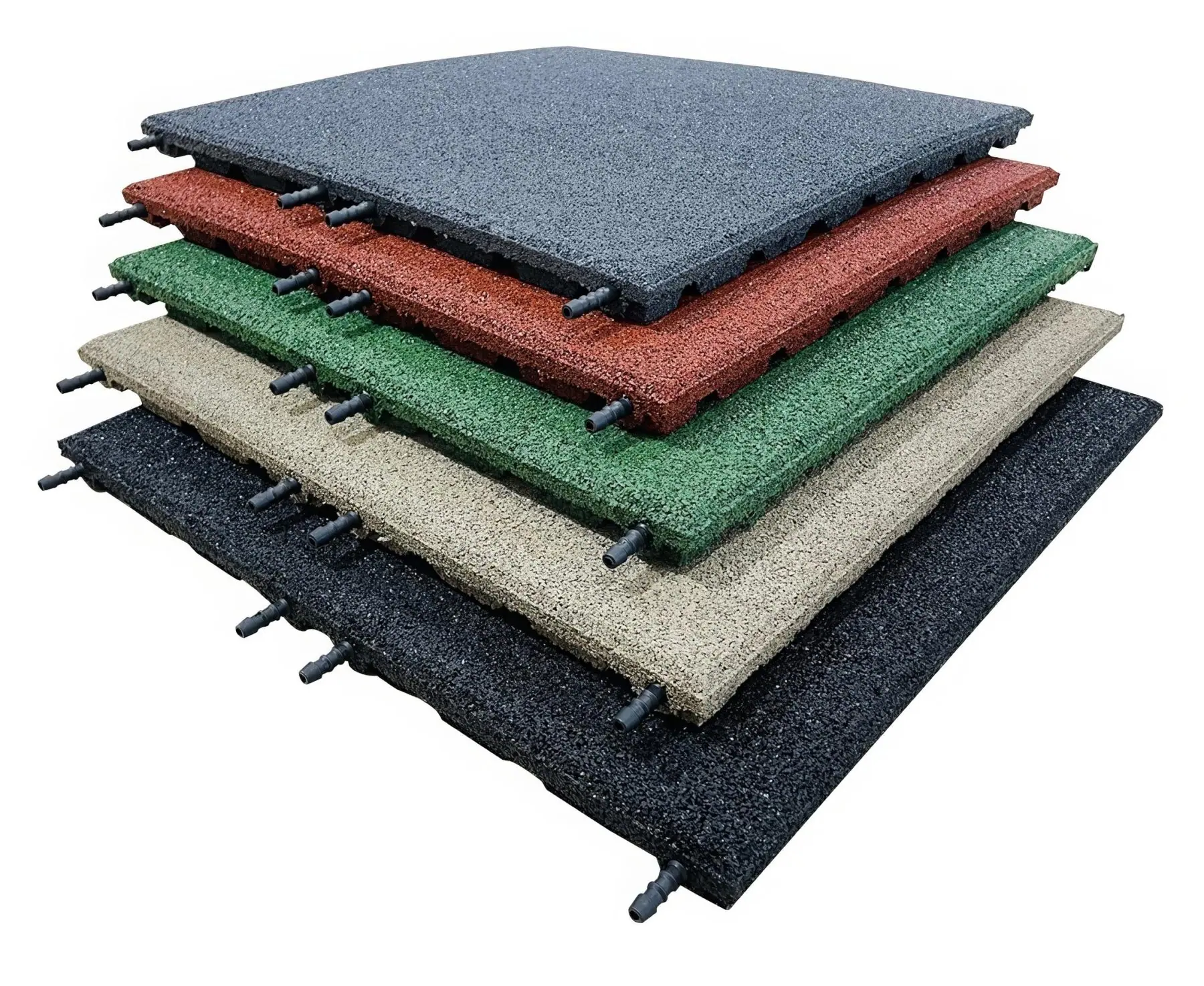
| Composition | Recycled rubber granules with polyurethane binder; coloured, wood-effect or patterned versions depending on the range |
| Impact attenuation | Critical fall height validated by HIC testing to EN 1177, published reference by reference |
| Fire classification | Three classifications backed by test reports (EN 13501-1): Bfl-s1 by SGS (SBR/EPDM tiles 15 to 40 mm), Cfl-s1 by LNE (SBR tiles 15 to 30 mm) and Dfl-s1 by LNE (SBR tiles with EPDM top layer, 25 to 30 mm); reports available on request, not published online; other thicknesses and finishes are classified by Light In Fitness declaration on these bases |
| Acoustics | ΔLw values declared by Light In Fitness on the basis of supplier testing, attestation on request |
| Installation | Loose-laid, connector-jointed or bonded depending on thickness and use. Substrate, flatness and drainage to be checked before ordering |
| Edge detailing | Finishing profiles for 20, 25 and 40 mm thicknesses, plus a sloped transition strip. Access ramps and made-to-measure edging available as an option, quoted with the layout |
| Available on request | Cellular tiles to be filled with gravel or topsoil, made-to-measure edging and ramps, interlocking rubber pavers for stables and technical rooms |
| Choosing the thickness | By use zone — free weights, cardio, functional training, play area — never by overall floor area |
Showing all 8 resultsSorted by latest

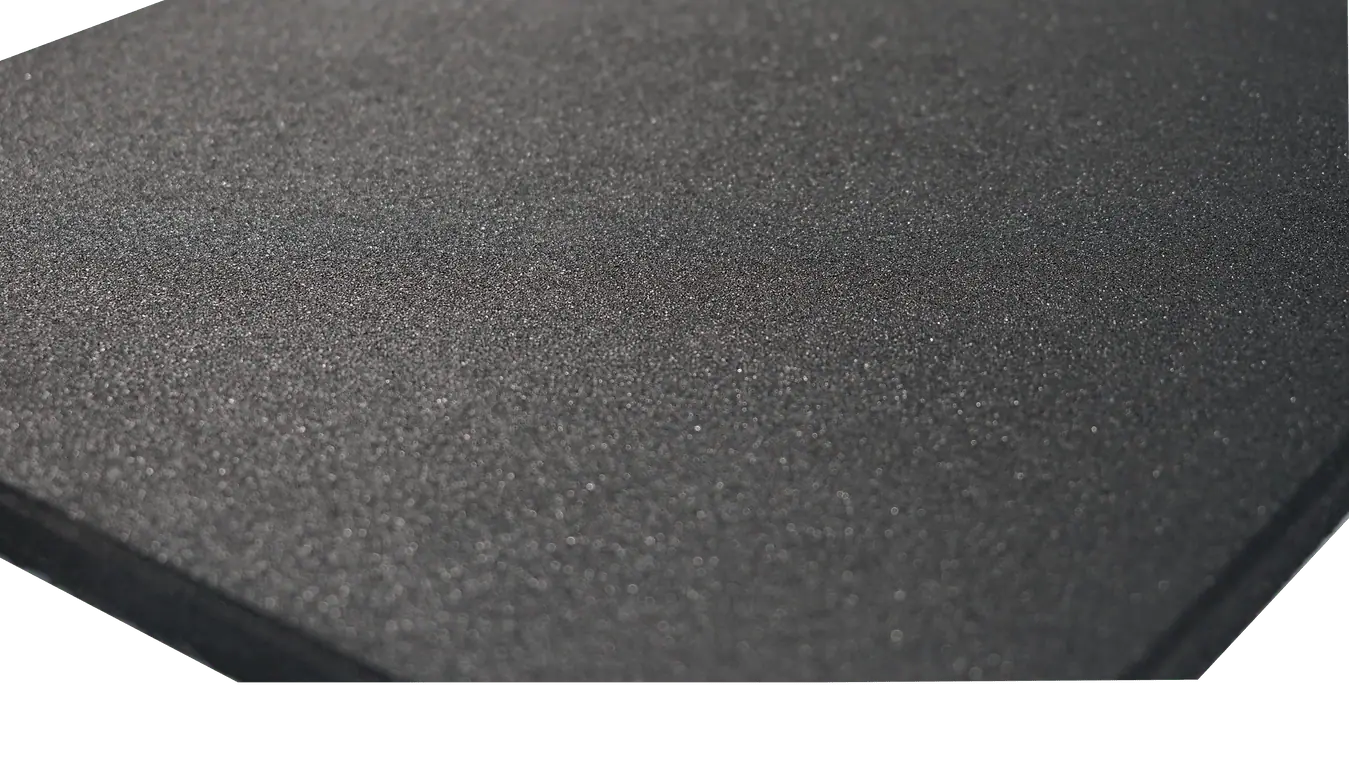
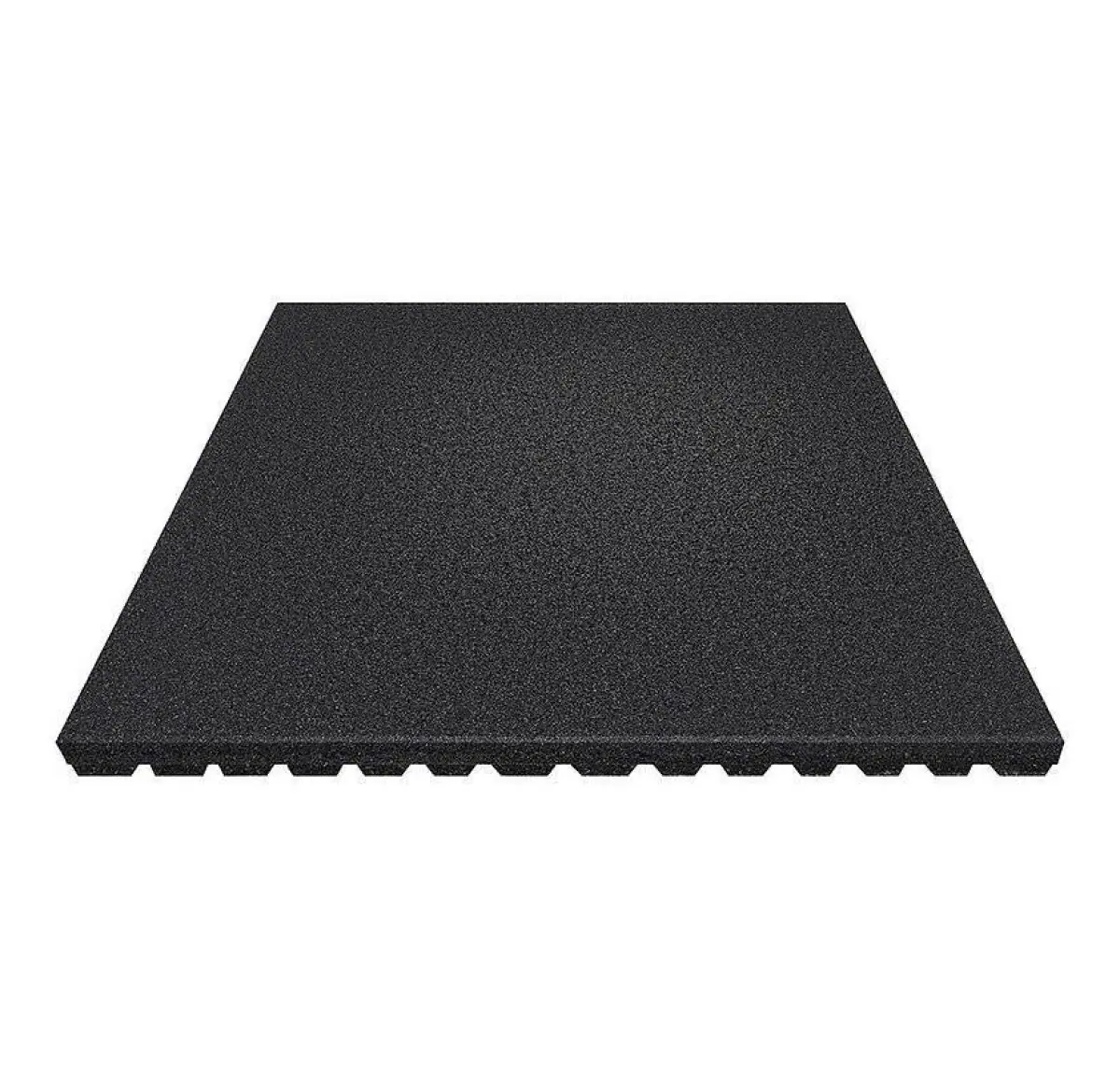
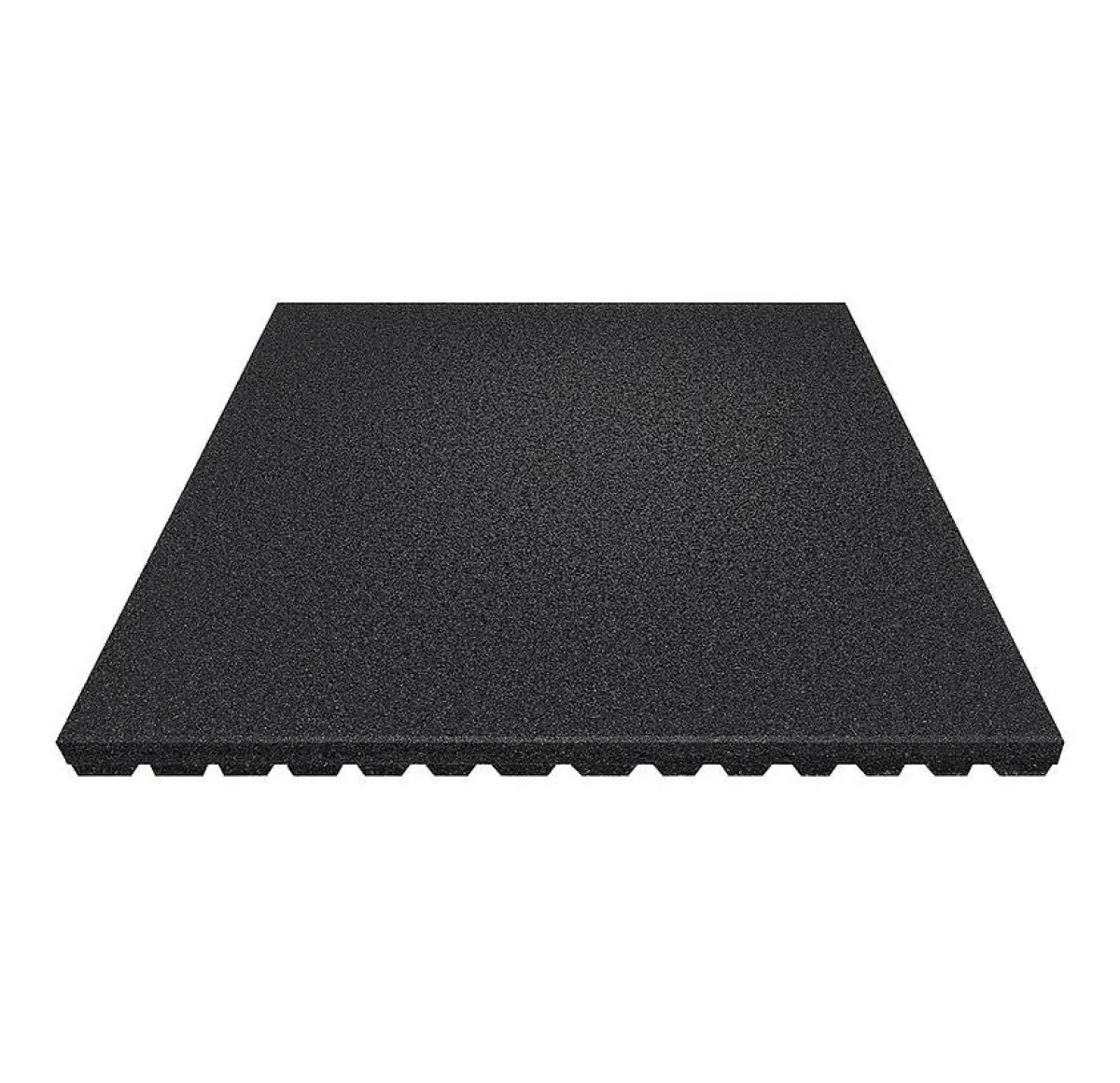
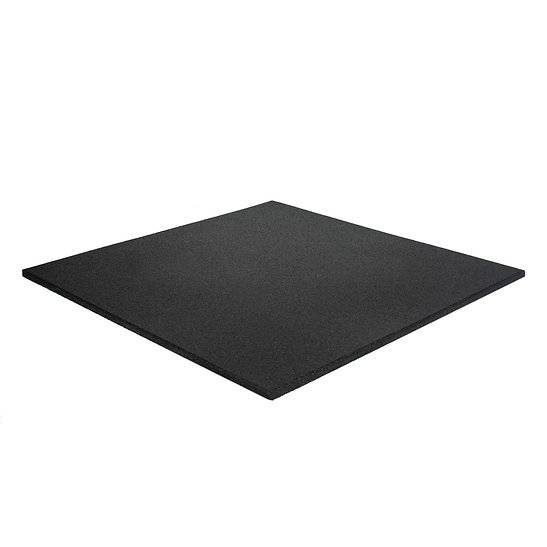

Why density matters more than thickness alone
Two tiles quoted at the same thickness can behave very differently under a dropped loaded bar, because the granulate density determines how the energy is absorbed and how the tile recovers. Performance cannot be established from density alone; the intended use and product documentation must also be checked. In a drop zone, density and thickness are specified together, and the tile is normally combined with a lifting platform where the discipline is exclusively weightlifting.
| Zone | Requirement | Typical answer |
|---|---|---|
| General strength floor | Static load, occasional drops | Standard commercial tile |
| Free weight and dumbbell area | Regular dropped weights | Thicker high density tile |
| CrossFit drop zone | Loaded bar dropped from overhead | Floor assembly specified for the loads, drop heights and substrate |
| Olympic weightlifting station | Repeated maximal drops | Lifting platform plus surrounding tile |
Laying, bumpers and maintenance
Tiles are laid on a flat, stable sub floor and cut around rack uprights so the structure sits on the slab. The floor absorbs impact but does not protect the equipment, so bumper plates remain necessary: dropping cast iron plates damages both the plates and the bar regardless of the covering. On upper floors, structural loading should be checked, since impact load and static load are different questions. For the wider range see rubber gym flooring tiles.
Frequently asked questions
Is a lifting platform still needed?
For a CrossFit or strength area, the floor assembly is selected according to the loads, drop heights and substrate. For dedicated Olympic weightlifting with repeated maximal drops, a platform gives a defined level surface and concentrates the impact absorption where the bar lands. Many facilities install platforms in the lifting stations and tiles across the rest of the zone.
Will this floor stop noise reaching the floor below?
Acoustic performance cannot be guaranteed from a tile alone. Where noise in the rooms below is a constraint, assess the complete floor assembly and the building structure. Raise the constraint at enquiry stage so the specification accounts for it.
Tell us the zone area, the loads dropped and the floor build up, and we will return a specification with quantities. Request a quotation for a reply within 24 working hours.