Re-Equipping an Ageing Gym: Which Brands to Favour by Zone
Rééquiper une salle vieillissante consiste à retrouver un parc fiable et cohérent, pas à remplacer chaque machine à l'identique. L'arbitrage porte sur les postes réellement utilisés, la disponibilité des pièces sur les gammes retenues et l'échelonnement du remplacement. Un plan par tranches préserve la trésorerie sans figer l'hétérogénéité du parc.
Re-equipping a tired gym is rarely a matter of simply buying new machines. The real challenge is to recover a reliable equipment base with fewer breakdowns, a consistent premium feel that lets you sell better, and a controlled budget with a defensible return per square metre.
Re-equipping an ageing facility means restoring a reliable, coherent floor, not replacing every machine like for like. The trade-off is between the stations that are genuinely used, the availability of parts across the ranges you select, and the phasing of the replacement. A phased plan protects cash flow without locking in an inconsistent floor.
If you want a good balance between customisation, durability and project support without moving into budgets detached from reality, an effective strategy is to build a mix around Bodytone, Etenon and ZIVA, with Light In Fitness as a single point of contact for advice, sourcing, zone consistency, quotation and logistics.
The strategy that keeps the budget under control
1. Replace what is damaging the experience first
If your benches, racks, dumbbells, storage and flooring are worn out, members feel it immediately, and so does your reputation. This is where visible impact and a quick return sit, and it is almost always cheaper than the machine replacement everyone starts by discussing.
2. Favour low-risk equipment families
Free weights, structures and plate-loaded machines are generally simpler, more durable and less failure-prone than complex systems. On a constrained budget, weighting the spend towards these families buys more reliable years per euro.
3. Standardise
Fewer exotic references means fewer different parts, less scattered maintenance and fewer surprises. A floor assembled from eight suppliers over fifteen years is the single most common cause of a maintenance budget nobody can predict.
4. Buy a project, not a catalogue
The right brand mix depends on your zones, your footfall and your positioning, whether premium, performance or accessible. Two facilities of the same size with different memberships should not end up with the same purchase list.
The effective shortcut: keep the budget under control by building a durable, customisable core of structures, free weights and flooring, then add the essential machines from a reliable professional range.
Which brands to favour, and for which zones
| Zone | Brand to favour | Why it balances budget, durability and project support | The budget lever |
|---|---|---|---|
| Structures and strength racks, cages, heavy stations |
Etenon | Strong choice for rebuilding a solid base of strength stations and structures with a performance logic. A very cost-effective zone, because the mechanics are generally simple and durable when the installation is done properly. Customisation happens mainly through configuration and layout. | Prioritise one or two heavily used stations, add options later |
| Essential professional machines selectorised, stations, ease of use |
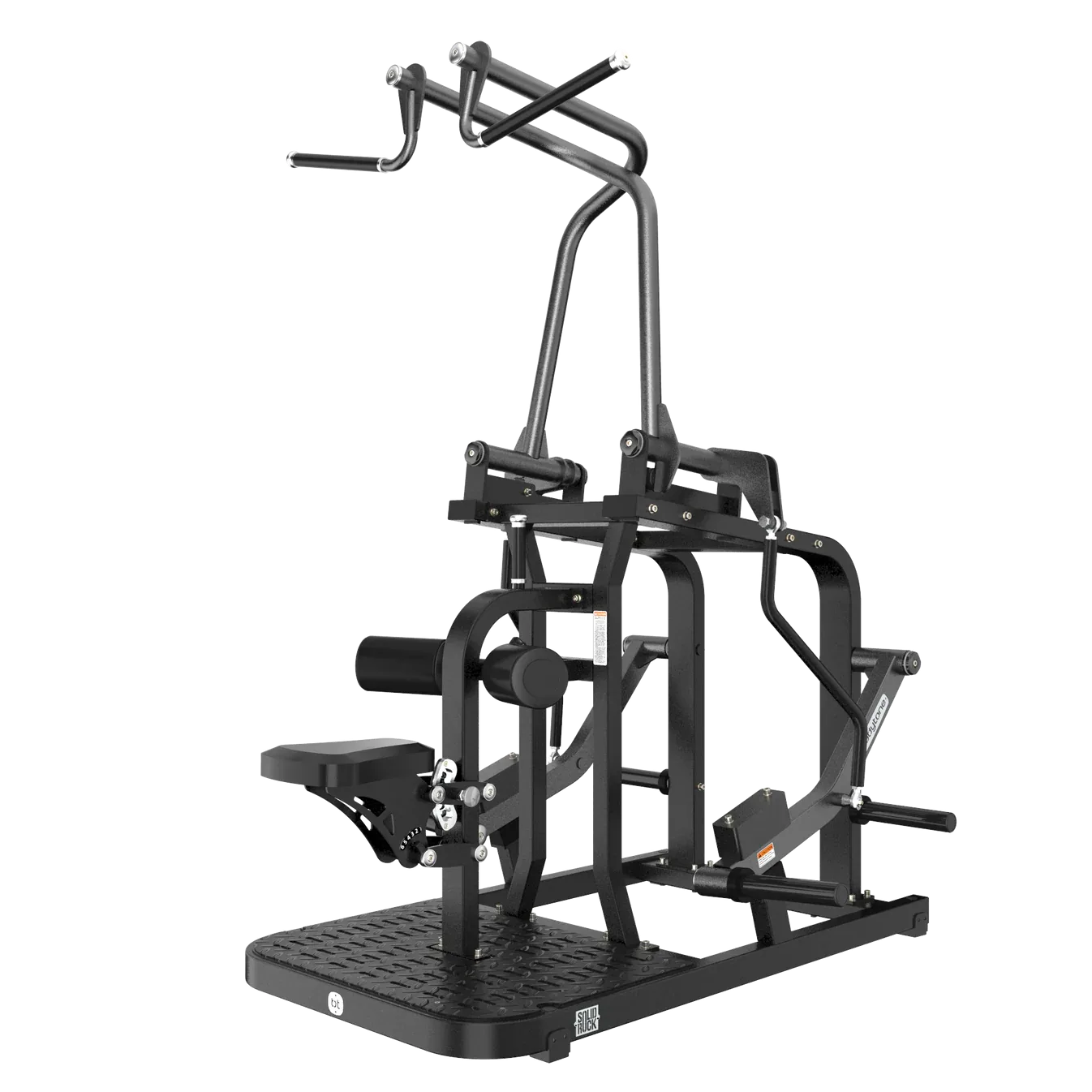
Bodytone | A sound professional base for modernising without extreme budgets: a broad range, a club-oriented logic and consistency that is easy to roll out zone by zone. | Replace the pain-point machines first, the ones that squeak, jam or put members off |
| Free weights and storage dumbbells, kettlebells, racking |
ZIVA | A highly visible, heavily used premium zone with relatively few failure points. In a re-equipment it delivers a large gain in perceived quality. | Choose a core selection, then extend in stages by weight increments, accessories and racking |
| Flooring and protection loads, noise, vibration |
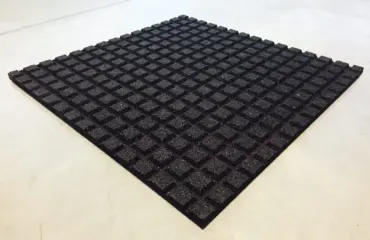
Rubber gym flooring | The floor protects the building and the equipment, improves comfort and reduces incidents caused by impact and vibration. It is the investment that stops small problems becoming large ones. | Treat the free weight, deadlift and drop zones first |
Important: fewer service calls also depends on how the facility is run, including bolt tightening, maintenance, usage and staff training. The best way to stabilise all of that is a coherent project covering zoning, family selection and maintenance.
Whatever the mix, indoor equipment for a supervised facility with unrestricted access should be built and tested to EN ISO 20957-1 class S. On a re-equipment this is worth checking explicitly, because it is exactly the point where a cheaper substitution gets slipped into a long quotation.
A three-wave re-equipment plan that keeps the gym open
Closing for a refit is rarely an option. Phasing the work lets you spread the spend, keep trading and learn from each wave before committing the next.
Wave 1: image and safety, for immediate effect
- Flooring in the critical zones, free weights and platforms.
- Storage: dumbbell racks, plate trees, accessory racking.
- The most heavily used benches and stations.
The aim is to improve the member experience and reduce incidents quickly. This wave is also the one members notice first, which matters if you need retention to fund the next stage.
Wave 2: the strength core, for reliability
- Strength stations: racks, cages and pull-up structures.
- Essential free weights: dumbbells, kettlebells and bars.
- The indispensable general-purpose machines.
The aim is a coherent floor that holds up under daily load. By this point you should also have standardised enough that your parts list is starting to shrink.
Wave 3: moving upmarket, through customisation
- Additional machines chosen from what members have actually asked for.
- Customisation options: configuration, finishes, add-ons.
- Extended accessory range and a functional training zone.
The aim is to optimise profitability and give the club its own signature. Deferring this wave is what makes the first two affordable.
The anti-breakdown checklist, before you sign
- Real usage. Footfall, turnover of users and opening hours. These change which range is appropriate, and they are the figures suppliers most often are not given.
- Parts and consumables. Cables, pulleys, rollers, pads, fixings: availability and lead time, in writing, for the specific models quoted.
- Warranty. Duration, exclusions and maintenance conditions, agreed at the outset rather than discovered during a claim.
- Installation. Levelling, anchoring, layout drawing and circulation. Most avoidable wear comes from equipment installed slightly wrong.
- Flooring. Absorption and protection in the loaded zones, which reduces vibration and consequential damage.
- Preventive maintenance. A monthly and quarterly schedule, plus a simple check the floor staff can actually perform.
Budget tip: if you have to make trade-offs, put the money where things wear and where members can see it, which means flooring, storage, free weights and the strength stations. Comfort machines come afterwards, targeted at real demand.
Frequently asked questions
What is the best strategy if the gym is very tired but the budget is tight?
Work in waves: flooring, storage, free weights and the strength stations first, for an immediate and durable effect, then replace only the machines that are causing problems or that your particular membership genuinely needs. Trying to do everything at once is what turns a re-equipment into a refinancing.
Why is a Bodytone, Etenon and ZIVA mix often a sensible combination?
Because it combines a professional machine base, a robust strength and structures zone, and a premium free weight area with relatively few failure points. The result is a premium experience, reliable operation and a budget that stays where you put it.
How do we get customisation without inflating the cost?
The most cost-effective customisation is not bespoke manufacturing. It is zoning, the selection of stations, the storage and the visual consistency across the floor. Options can then be added in stages, rather than over-configuring everything at the outset.
What causes most breakdowns and service calls?
Usually inadequate maintenance of wearing parts, approximate installation, and unsuitable flooring transmitting vibration and impact. Even a good brand suffers where the operation is not properly organised, which is why the maintenance schedule belongs in the purchase decision rather than after it.
Should we buy any of it second-hand?
Frames, racks and plate-loaded equipment are the sensible candidates, provided parts remain available for the model. Keep the selectorised machines and anything with electronics new, and never let a used purchase become a way around the build class.
How does Light In Fitness support a full re-equipment?
By building a coherent selection around your zones, objectives and budget, optimising the purchase list, and helping you prioritise so the result looks professional without the budget slipping. Light In Fitness has designed, manufactured and distributed professional fitness equipment since 2013 and has equipped more than 2,500 customers.
Planning your re-equipment
Send us your floor plan, your footfall, your opening hours and the budget you have available, and we will come back with a zoning proposal, a phased purchase list and a costed quotation: request a quotation. See also rubber gym flooring and gym storage furniture, the two items most often left out of a re-equipment budget.
Réalisations documentées
- Dalles et sols sportifs : livraisons documentées – plusieurs chantiers
- Sol sportif extérieur, square Georges-Vallerey – Taverny (95)