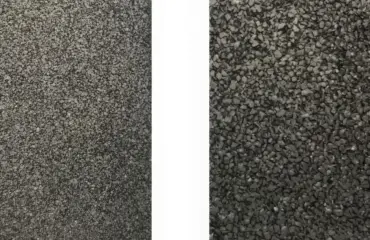
Pump Track Materials Compared: Fibreglass vs Asphalt vs Timber

Pump tracks are increasingly popular with skaters, cyclists and scooter riders, and local authorities, campsites, resorts and sports clubs are commissioning them in growing numbers. The choice of surface material decides durability, riding quality and the real cost of the installation. Asphalt and timber are the traditional answers, but glass fibre reinforced polyester is gaining ground as an alternative. This guide compares the three so that you can specify the right one for your site.
Why the material decides the project
- Durability: the surface has to withstand weather and intensive use.
- Performance: the surface governs rolling smoothness and grip.
- Cost and maintenance: some materials need far more upkeep, which raises the cost over the life of the track.
Material comparison at a glance
| Characteristic | Fibreglass | Asphalt | Timber |
|---|---|---|---|
| Durability | Excellent, weather resistant | Very good, prone to cracking | Good, sensitive to moisture |
| Initial cost | High | Medium | Low to medium |
| Maintenance | Low, minimal upkeep | Moderate, cracks to repair | High, regular treatment required |
| Installation | Fast, prefabricated elements | Longer, needs heavy plant | Fast, simple to assemble |
| Environmental profile | Long service life, end-of-life recovery depends on the local waste stream | Bitumen-bound, fossil-derived; reclaimed asphalt is widely reprocessed | Natural material, renewable |
1. Fibreglass: the durable, low-maintenance option
Glass fibre reinforced polyester is the modern alternative for pump tracks. It stands out for its durability and its minimal upkeep, and it is engineered to resist weather, UV radiation and impact.
Advantages of fibreglass
- Weather resistance: ideal for outdoor installations, resistant to water, heat and UV.
- Minimal maintenance: a smooth, non-porous surface that is easy to clean.
- Fast installation: prefabricated elements cut both programme time and labour cost.
- Long service life: fewer replacement cycles than the alternatives over the same period.
Drawbacks of fibreglass
- High initial cost: more expensive to buy, offset by the low maintenance spend.
- Rigidity: less flexible than timber, so it requires precise planning up front.
A worked example: a fibreglass pump track installed on a coastal site showed exceptional resistance to humidity and salt, with better durability than the traditional alternatives.
| Criterion | Light In Fitness fibreglass |
|---|---|
| Durability | 15 to 20 years without cracking |
| Initial cost | 150 to 200 EUR per square metre |
| Maintenance | Very low, occasional cleaning |
2. Asphalt: the traditional, versatile solution
Asphalt is one of the most widely used materials for pump tracks. It gives a smooth surface, ideal for fast rolling and good grip, and it is a reliable choice for public installations and parks.
Advantages of asphalt
- Smooth, fast surface: well suited to bikes, skateboards and scooters.
- Durability: resists wear well, provided it is properly maintained.
- Reasonable cost: cheaper than fibreglass and good value for money.
Drawbacks of asphalt
- Prone to cracking: can crack under extreme conditions such as frost or heat.
- Regular upkeep: cracks have to be filled as they appear.
- Fossil-derived binder: bitumen is a petroleum product, which weighs on the carbon profile of the project.
Our advice: to extend the life of an asphalt pump track, plan regular inspections and repair cracks as soon as they appear.
| Criterion | Asphalt |
|---|---|
| Durability | 10 to 15 years with maintenance |
| Initial cost | 100 to 150 EUR per square metre |
| Maintenance | Moderate, regular repairs required |
3. Timber: the renewable, easy-to-install option
Timber is often chosen for temporary pump tracks or for indoor installations. It is valued for its natural appearance and for how easily it goes up. It is, however, less durable than fibreglass or asphalt, especially outdoors.
Advantages of timber
- Fast installation: light and easy to assemble, ideal for temporary projects.
- Natural appearance: sits well in natural settings and looks attractive.
- Renewable material: a natural product that can be recovered at end of life.
Drawbacks of timber
- Less durable outdoors: sensitive to moisture and weather, and needs regular treatment.
- High maintenance: has to be treated against moisture and insects.
- Less flow: the surface can be rougher and is less suited to high performance bikes.
A worked example: a timber pump track installed in an urban woodland was chosen for its ease of installation and its natural integration, but it needs annual treatment to prevent deterioration.
| Criterion | Timber |
|---|---|
| Durability | 5 to 10 years, depending on upkeep |
| Initial cost | 80 to 120 EUR per square metre |
| Maintenance | High, regular treatment required |
Which option should you choose?
The right material depends on your priorities and on where the track will sit. Our recommendations:
- Choose fibreglass if you want a durable, low-maintenance solution. It is the right answer for permanent installations in demanding environments.
- Choose asphalt if you want a good compromise between cost and performance. It suits public parks and large-scale projects.
- Choose timber if you want a renewable material that is easy to install and suited to temporary or indoor projects.
| Material | Best for |
|---|---|
| Fibreglass | Permanent outdoor installations |
| Asphalt | Large-scale public projects |
| Timber | Temporary and indoor installations |
Do not forget the surroundings
A pump track is rarely delivered alone. Access paths, run-off zones and spectator areas usually call for outdoor sports flooring, and where the track sits next to a play area the adjoining surface must meet the impact attenuation requirements of EN 1177 with playground surfacing specified accordingly. Settle these at design stage rather than after the track is poured.
Frequently asked questions
What surface area does a pump track need?
It depends on the layout and the rider profile you are targeting. Send us the plot dimensions and we will propose a layout that fits.
Can a pump track be extended later?
With prefabricated fibreglass modules, yes. Cast asphalt tracks are much harder to extend once laid.
Is a pump track suitable for beginners and experienced riders together?
Yes, if the layout includes lines of different difficulty. That is a design decision, not a material one.
Get the most from your pump track
Each material has its advantages and its drawbacks, but the right choice maximises durability, performance and return on investment. Light In Fitness provides bespoke solutions and supports every stage of the project, from design to installation. Tell us the site, the surface area and the intended users and we will specify and cost the track. Request a quote to start.