Professional Strength Machines: A Complete Buyer Guide
Un appareil destiné à un usage professionnel relève de la classe S de la norme EN ISO 20957, conçue pour l'usage collectif intensif. Cette classe impose des exigences de résistance et de sécurité supérieures aux classes domestiques. Elle conditionne également la couverture assurantielle en cas d'accident en établissement.
Strength machines carry the weight of a facility in both senses. They are what members use, and they are the largest single line in most equipment budgets. Whether the site is a commercial gym, a rehabilitation centre, a hotel fitness room or a private training studio, the specification decision comes down to the same thing: equipment built to take continuous collective use, matched to the people who will actually be using it.
This guide runs through the main categories of professional strength and cardio equipment, what each one is for, and the criteria that separate a good specification from an expensive mistake.
Why professional class equipment is not optional
Equipment intended for professional use falls under class S of EN ISO 20957-1, the classification written for intensive collective use. That class carries higher requirements for strength and safety than the classes intended for private settings, and it is the baseline for any equipment installed where members, guests, patients or employees will use it unsupervised.
This is not a marketing distinction. A machine specified below professional class in a facility open to the public is the wrong machine, regardless of how it looks or what it costs. Beyond the safety case, the requirements applying to sports and fitness facilities are set nationally, and the operator is responsible for meeting the ones that apply to their site.
The practical consequence is simple: professional class equipment is robust, durable and comfortable enough to be used all day, every day, which is exactly what determines the return on the investment.
Types of professional strength equipment
Selectorised machines
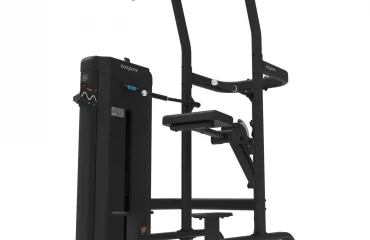
Selectorised machines – where the load is chosen from a weight stack – are the backbone of a general-membership floor. They suit beginners and intermediate users, and they provide a controlled, guided movement that reduces injury risk and lets the user concentrate on the target muscle.
Their advantages:
- Safety. The guided movement path minimises the risk of poor execution.
- Ease of use. Ideal for beginners and for people in rehabilitation.
- Muscular isolation. They allow specific muscles to be worked effectively.
Typical stations:
- Leg press – for the quadriceps, glutes and hamstrings.
- Chest press – for the pectorals, deltoids and triceps.
- Lat pulldown – for the back muscles and biceps.
Our selectorised machines cover these stations across several ranges, so a floor can be built with one consistent family rather than assembled from unrelated pieces.
Free weights, racks and benches
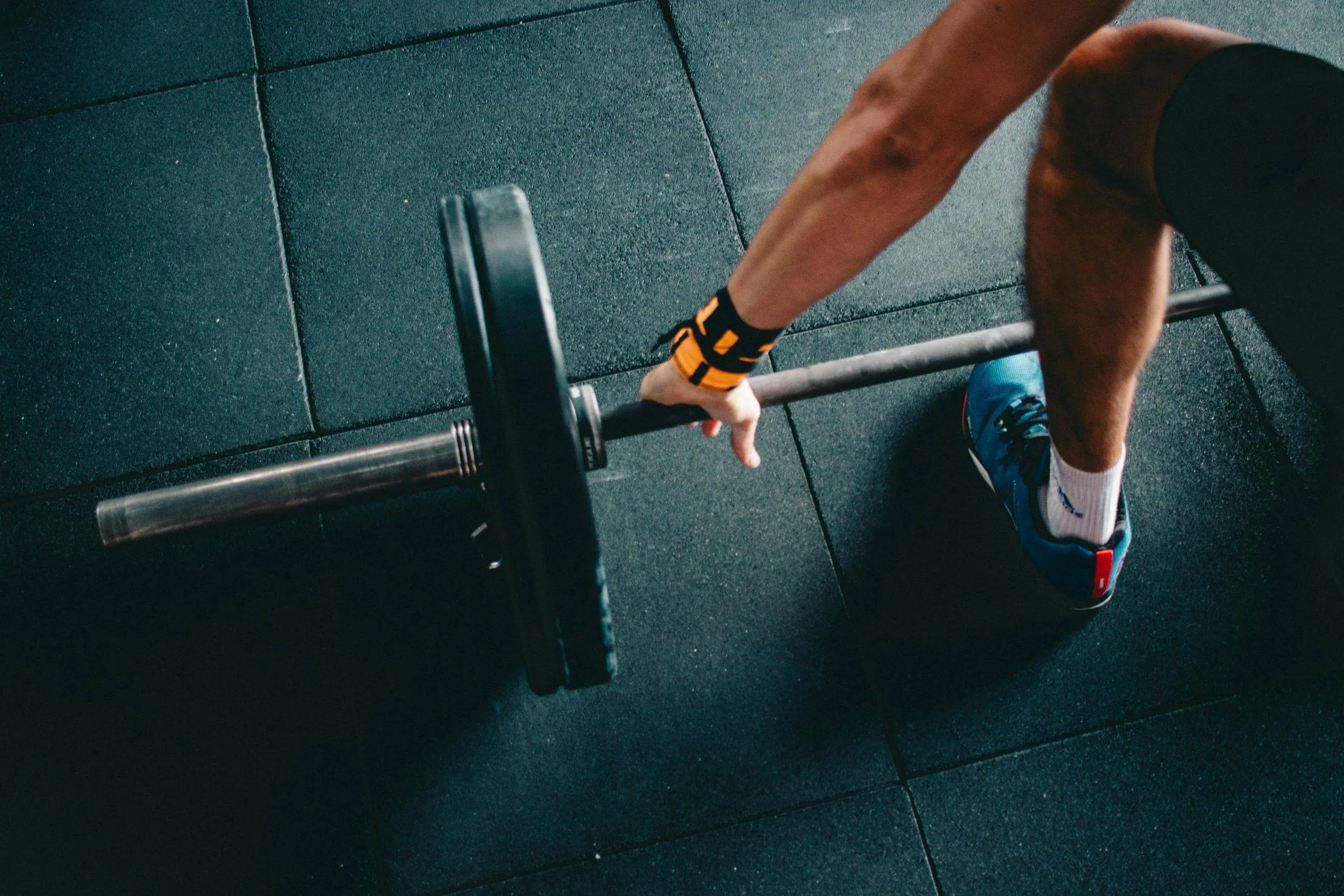
Free weight equipment offers more freedom of movement and allows more dynamic training. It suits advanced users who want to increase the difficulty and the variety of their exercises.
Its advantages:
- Versatility. A very wide range of exercises from a small number of items.
- Stabiliser recruitment. Free loading develops the stabilising musculature that guided machines do not.
- Progression. Load and difficulty can be increased in fine steps over years of training.
Typical equipment:
- Smith machine – for squats, presses and deadlifts performed on a fixed bar path.
- Racks and weight benches – for a wide range of barbell and dumbbell exercises.
The squat racks and power racks range covers the structural side of this area, which is where the specification matters most: a rack takes loads that a bench never will.
Cardio equipment
Cardio equipment completes a strength programme by improving cardiovascular endurance and supporting recovery. It is also what keeps a mixed membership using the floor rather than only the strength area.
Its advantages:
- Endurance. Improves cardiovascular capacity and general condition.
- Recovery. Supports active recovery between strength sessions.
- Variety. A range of options that maintains user interest and motivation.
Typical equipment:
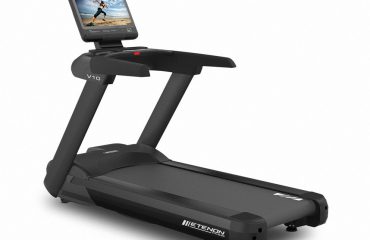
- Treadmills – for running and walking.
- Cross trainers – for low-impact training on the joints.
- Rowing machines – for full-body work.
See the full professional cardio equipment range for the options in each category.
How to choose
Assess the specific need first
Analyse who your users are and what programme you intend to offer. A commercial gym needs a far wider variety of equipment than a rehabilitation studio, and a hotel fitness room needs different machines again. Specifying from a catalogue rather than from an audience is the most common and most expensive error in this process.
Quality and durability
Choose equipment that can take intensive use. Durability is what secures the return on investment over the long term – a machine that is out of service, or replaced early, costs far more than the difference in purchase price.
Safety and comfort
Make sure machines are ergonomic and carry adequate safety features to prevent injury. Comfort in use matters just as much, because it is what encourages regular use: an uncomfortable machine is an unused machine, whatever its specification says.
After-sales service and warranty
Choose suppliers offering solid after-sales support and real warranties. This is decisive for maintenance and for any repairs, and it is the part of the decision that is easiest to overlook at the point of purchase and hardest to fix afterwards.
Frequently asked questions
Which strength machines are essential for a professional gym?
Selectorised machines such as the leg press and the chest press, free weight equipment such as a Smith machine and racks, and cardio equipment such as treadmills and cross trainers. Together those cover the major movement patterns and the aerobic side.
How do you ensure equipment stays durable?
Choose high-quality equipment in the first place, follow the maintenance instructions provided by the manufacturer, and ensure reliable after-sales support for repairs and servicing. Most premature failures trace back to one of those three being skipped.
How important is after-sales service?
It is decisive. Good after-sales support keeps equipment in working order, which minimises interruptions and maintains user safety. A machine out of service is both a revenue loss and a safety question, and both are avoided by the same thing.
What does class S mean in practice?
It means the equipment is designed and tested for intensive collective use rather than for private settings. For an operator, it is the minimum specification for anything installed where the public will use it.
Specifying your facility
Investing in professional strength and cardio equipment is a decision about the next ten years of a facility, not about a single purchase. Equipment matched to the specific needs of your users delivers better results, better satisfaction, and a floor that still works when the membership changes.
Tell us the surface available, the audience you serve and what is already installed, and we will come back with a configuration and a costed proposal. Request a quote and our team will work through the options with you.