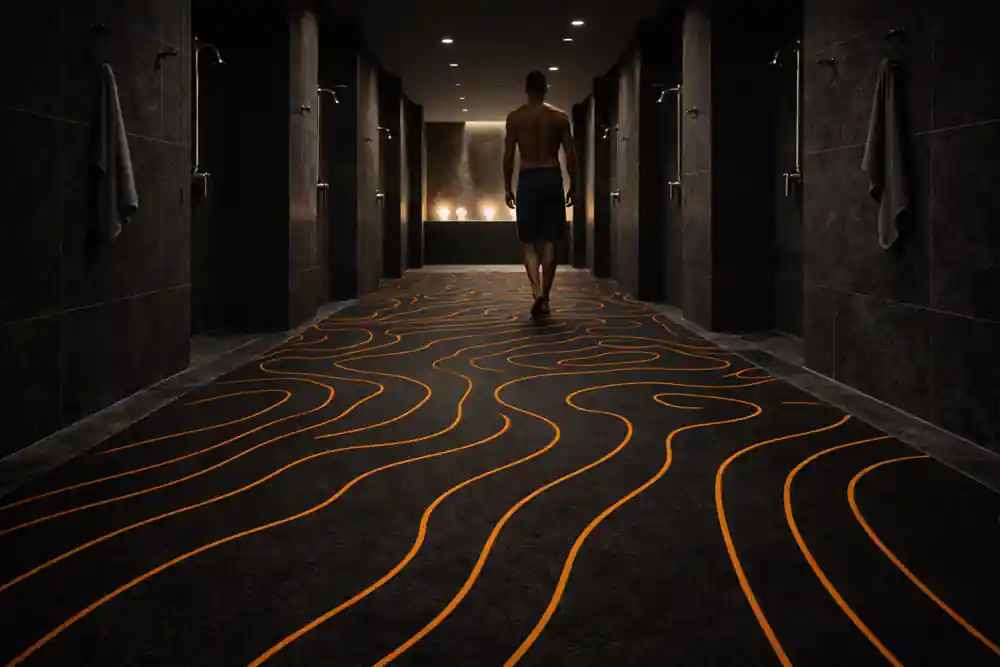
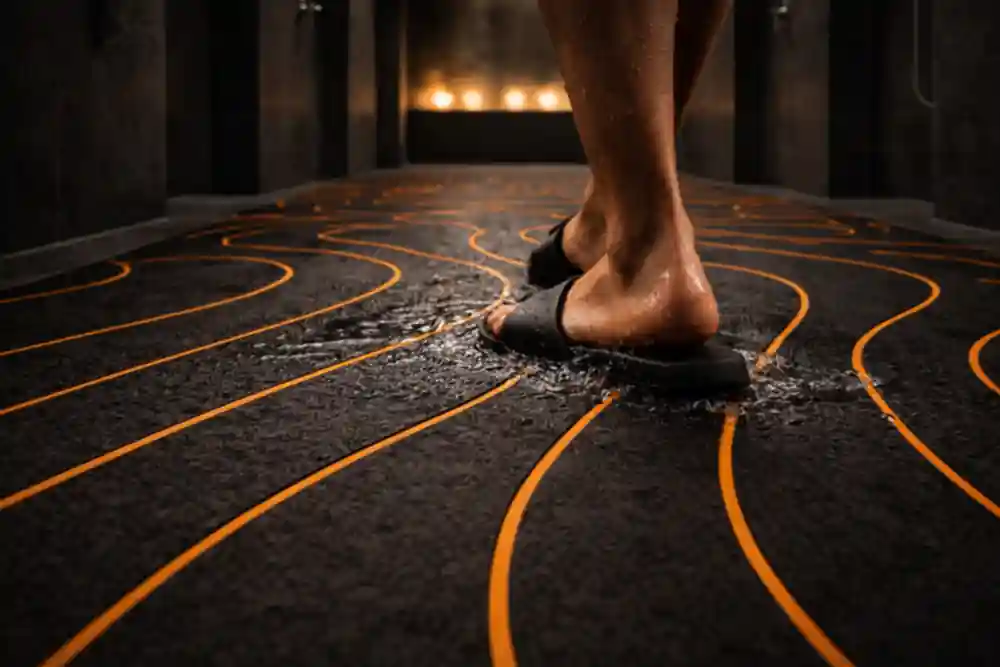
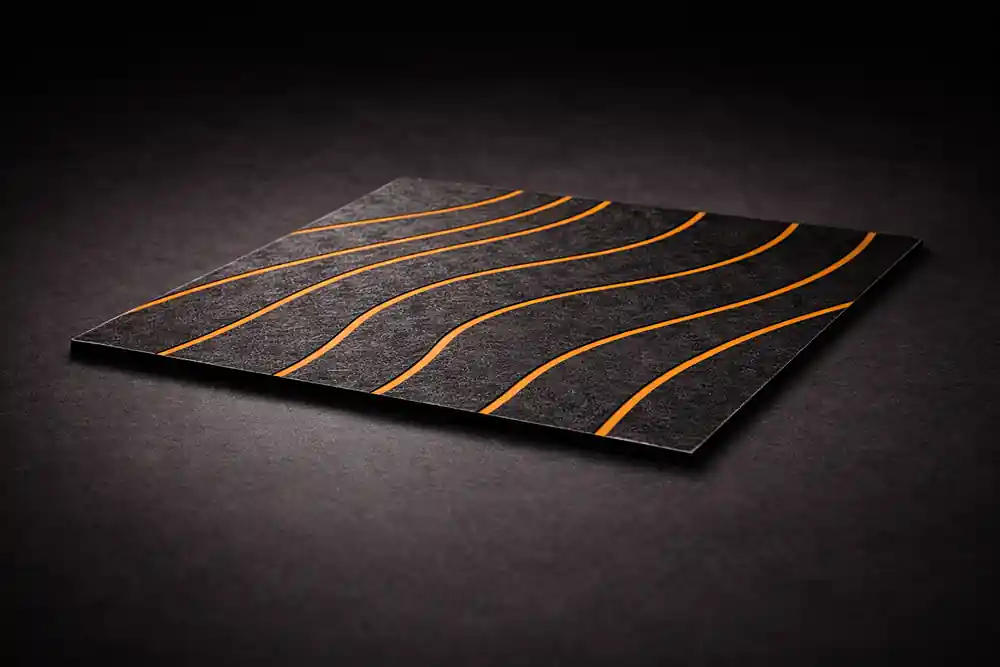
6 mm Two-Tone Milled Pool Tile - Logo and Zone Delimitation
6 mm Two-Tone Milled Pool Tile - Logo and Zone Delimitation : anti-slip draining pool surfacing, marque Light In Fitness, 69,86 EUR excl. VAT. Delivery and installation priced on quotation across Europe.
69.86 € excl. VAT
i.e. 83.83 € incl. VAT · VAT 20%
Shipping quoted separately The shipping cost is confirmed before you approve the order.
Professional equipment – Tailored advice and quotation – International delivery – After-sales support and warranty
- Thickness: 6 mm
- Pool surrounds, changing rooms, showers, spas
- Two colour layers, design obtained by milling
- Logo, circulation lines, zone delimitation
- Marking in the material, nothing to re-glue
- Resistant to chlorine, salt and continuous humidity
- Sold per square metre
- Vector file to be supplied
Quotation = itemised pricing with delivery, installation and trade discounts, within 24 business hours. No commitment. Our commitments
Description
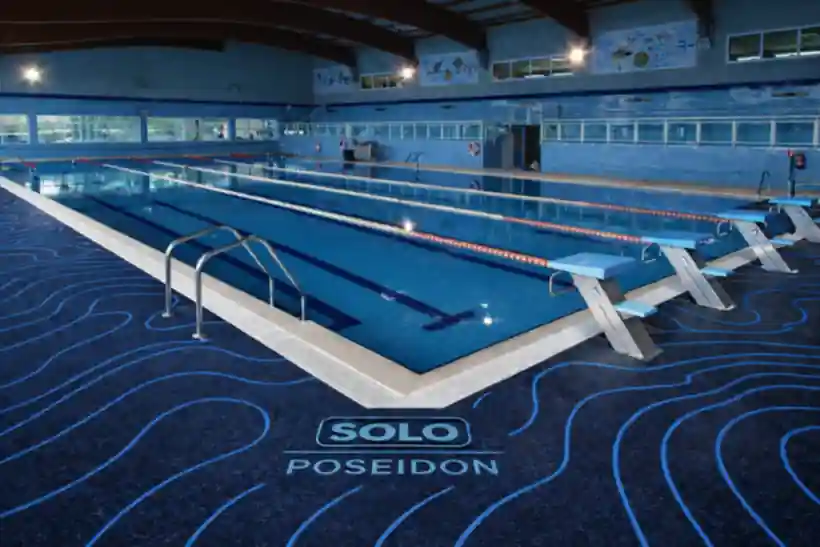
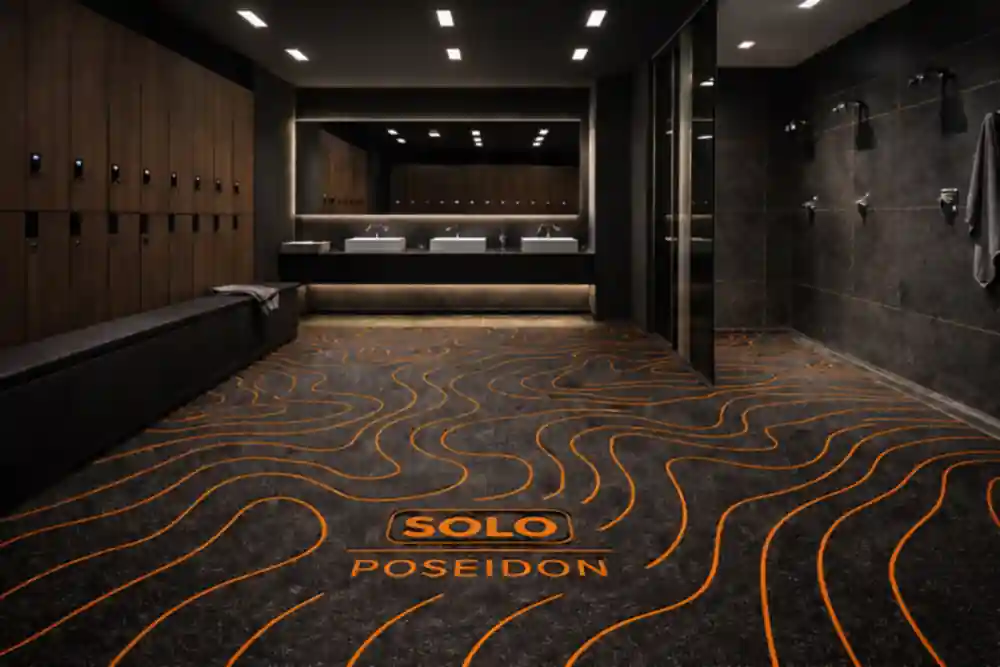
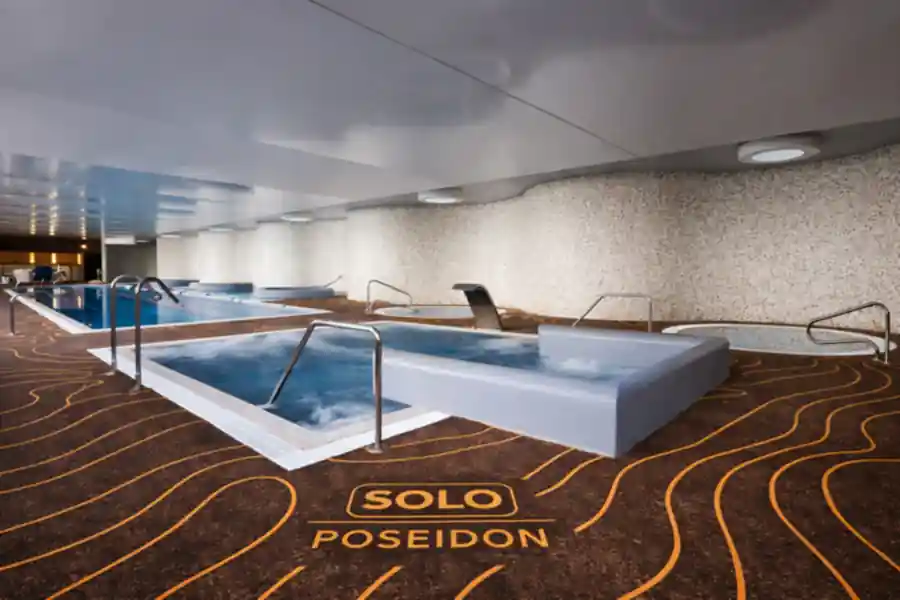
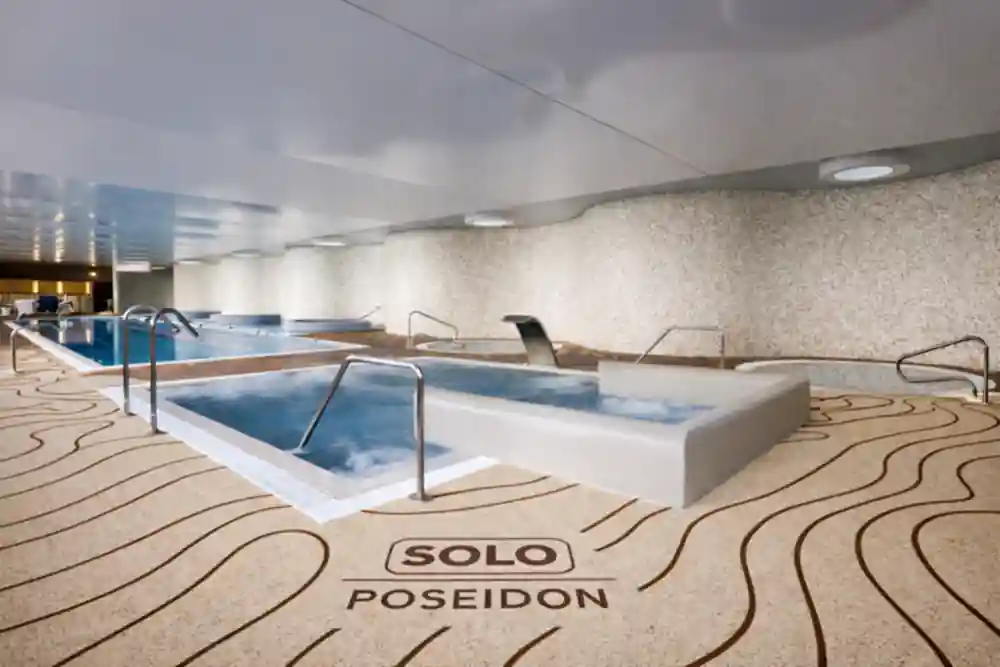
Around a pool, a stuck-on marking is a consumable. Here the design is cut into the material itself. Same destination as the single-colour version – pool surrounds, changing rooms, showers, spas – but a different build: the tile is made of two layers of distinct colours. Milling the upper layer uncovers the colour underneath and creates the design. Facility logo, circulation lines, zone delimitation: the marking is part of the floor instead of being glued on top of it.
Why that matters in a wet area
An adhesive or painted marking around a pool peels, dulls, creates a slip initiation point and has to be redone. Here the design goes through the wear layer. It wears at the same rate as the floor and cannot lift, because there is nothing to lift.
Milling is not limited to a catalogue motif
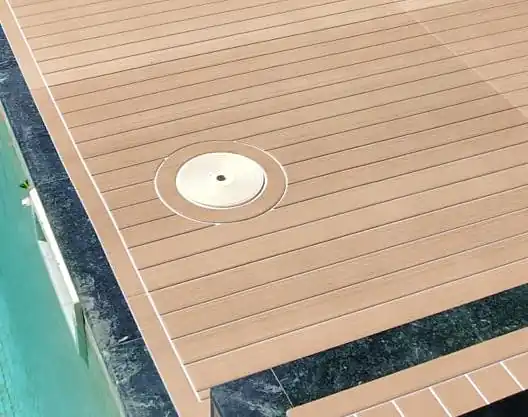
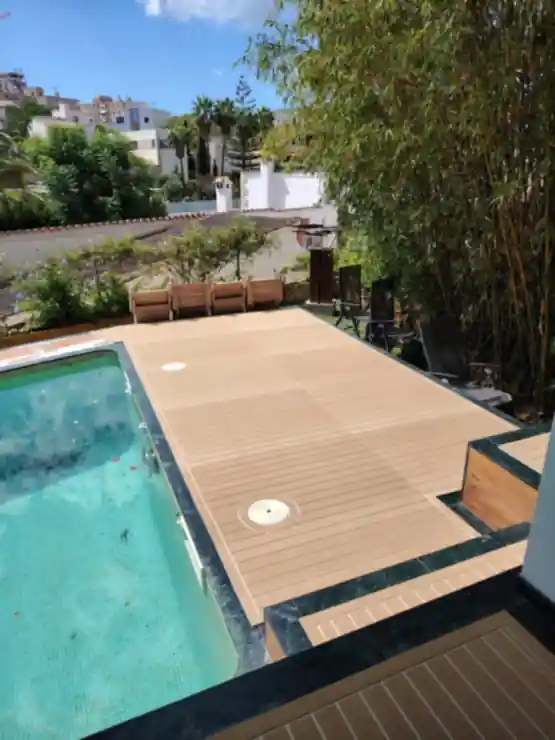
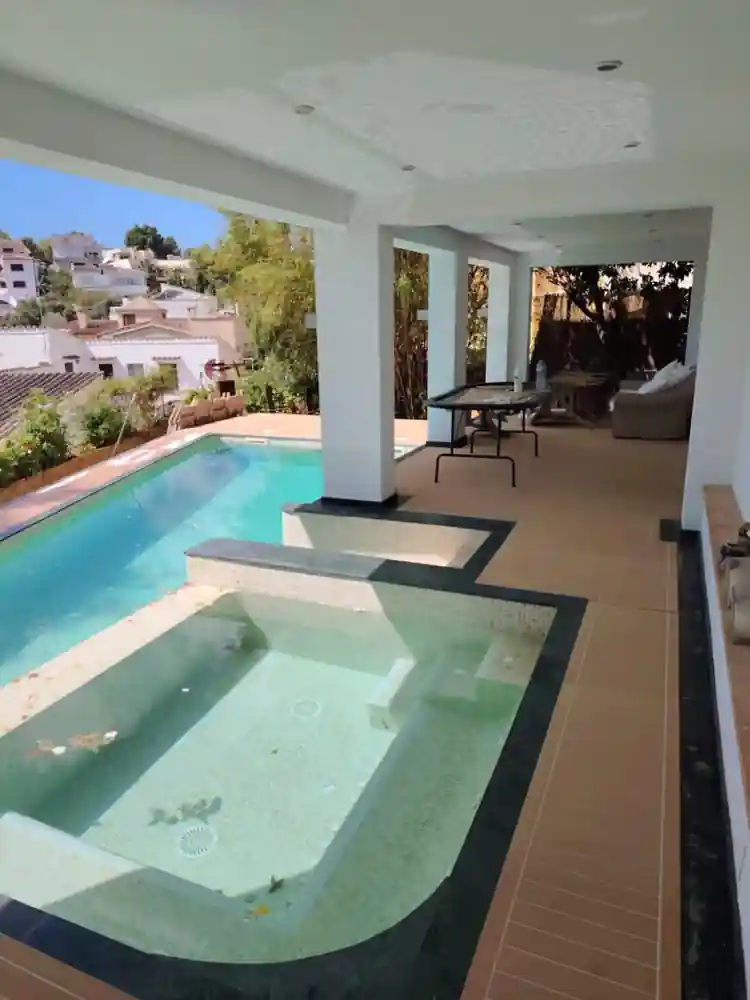
The design is free. Projects range from simple geometric layouts – parallel lines, a border following the edge of the deck – to working around a piece of equipment such as a drain, which the milling outlines cleanly. The images on this page show three distinct colour pairings and two families of layouts: it is the same tile, drawn differently.
A boat deck material
This covering was not designed for swimming pools: it comes from the marine sector, where it surfaces decks. The specification there is harsher than around a pool – salt, permanent sun, spray, and bare feet on a moving surface. The move to pool surrounds, changing rooms and showers came naturally, and even the pattern came with it: the light lines that structure the surface represent, on a deck, the caulking between teak planks.
What the manufacturer states
Consistent grip, drainage, a stable surface even with standing water, quietness underfoot, and high chemical resistance to chlorine, salt and continuous humidity. These points are reported as communicated: no test report and no standardised classification accompany them – see below.
Technical specifications
| Product | Wet-area floor covering, two-tone two-layer tile |
| Thickness | 6 mm |
| Material origin | Boat deck material, transposed to the wet areas of a building |
| Intended use | Pool surrounds, changing rooms, showers, spas and wellness areas |
| Version | Two-tone – two superimposed layers designed to be milled |
| Marking principle | Milling the upper layer reveals the colour of the lower layer. The design is in the material, not printed on the surface. |
| Milling applications | Logo, technical signage, circulation lines, zone delimitation |
| Grip | High coefficient of friction in wet conditions, stated by the manufacturer. Slip classification not published. |
| Drainage | Drainage stated by the manufacturer – geometry and flow rate not published |
| Chemical resistance | Chlorine, salt and continuous humidity |
| Colours | Pairing of the two shades defined per project – please consult us |
| Sales unit | Per square metre |
| Milling file | Vector logo or plan to be supplied before manufacture |
| Material | On request |
| Density | On request |
| Slip classification | On request |
| Fire classification | On request |
| Substrate required | Hard, clean, dry and flat floor |
| Maintenance | Washing with water and a neutral detergent, no solvents |
| Price | 69.86 EUR excluding VAT per m2 |
Which projects is it for?
Facility identity in the floor. The logo of an aquatic centre, a hotel or a spa, milled into the pool surround or at the entrance to the changing rooms. That is what this version exists for, and it cannot be retrofitted onto a plain floor afterwards.
Zone delimitation. Separating the pool surround from the relaxation area, isolating access to the showers, marking a bare-foot zone: the boundary stays legible permanently, wet floor included.
Circulation lines and technical signage. Walkways, direction of travel, service access, location of safety equipment. An integrated marking holds where an adhesive one does not.
Accent zones on a single-colour surface. In a large facility, laying the single-colour version everywhere and keeping the two-tone for the areas that need marking is usually the best budget trade-off – the price per m2 differs by roughly 70 percent between the two versions. Both are listed under pool surfacing.
What to know before ordering
The slip classification is not published – insist on it. The manufacturer states a high coefficient of friction in wet conditions but publishes neither a barefoot class (DIN 51097 A, B or C), nor a shod class (R9 to R13), nor a test report. Around a pool, that figure is normally requested by the inspection body and by the insurer. Ask us for the classification before committing to the project.
Milling is prepared before manufacture. The design is machined in the factory, not on site. You therefore need to supply the logo or the plan in vector form and freeze the setting out – position, scale, reading direction – before production starts. A change after manufacture means remaking the tiles concerned.
Contrast depends on the pair of shades. Two close shades give a discreet marking, almost invisible on a wet floor. If the marking has a safety or wayfinding function, choose a strong contrast and have the pairing approved before ordering.
Outdoors is where it comes from. On a boat deck, permanent exposure to sun, salt and spray is the normal condition of use rather than an edge case: that is the origin of this material. Two of the images on this page show an open-air pool terrace. We do not yet hold a UV test report to hand over – it has been requested from the manufacturer. If your tender requires enforceable data, wait for that document and consult us.
6 mm is a finish thickness. This covering does not protect the substrate from dropped loads. It is not intended for weightlifting areas or the surroundings of a rack.
Frequently asked questions
Can the marking wear away?
There is no printed layer to wear off: the design is obtained by removing material to reveal the colour underneath. It wears at the same rate as the rest of the floor.
Can any logo be milled?
A clean vector outline reproduces without difficulty. Gradients, halftones and very fine typefaces do not translate: the process renders two colours only. Send us the logo and we will tell you what will work.
How many colours in total?
Two: the colour of the upper layer and the colour of the lower layer. The pairing is defined per project.
Does it resist chlorine and salt water?
The manufacturer states high chemical resistance to chlorine, salt and continuous humidity.
What maintenance does it need?
Washing with water and a neutral detergent. Avoid solvents and abrasive pads, which attack the wear layer and the edges of the milling.
Ordering and quotations
Price 69.86 EUR excluding VAT per m2. Send us the surface area, the colour pairing you have in mind and your vector artwork: request a quotation and we will confirm the setting out, the reproduction of the design and the lead time.
Informations de livraison
Livraison en France métropolitaine
- Délai de préparation : 24–48 h ouvrées
- Délai de livraison : 3–7 jours ouvrés
Livraison sur rendez-vous
Pour les équipements lourds et volumineux, la livraison se fait sur rendez-vous avec des transporteurs spécialisés.
Installation
Nous proposons un service d'installation sur devis. Contactez-nous pour plus d'informations.
Related products
-
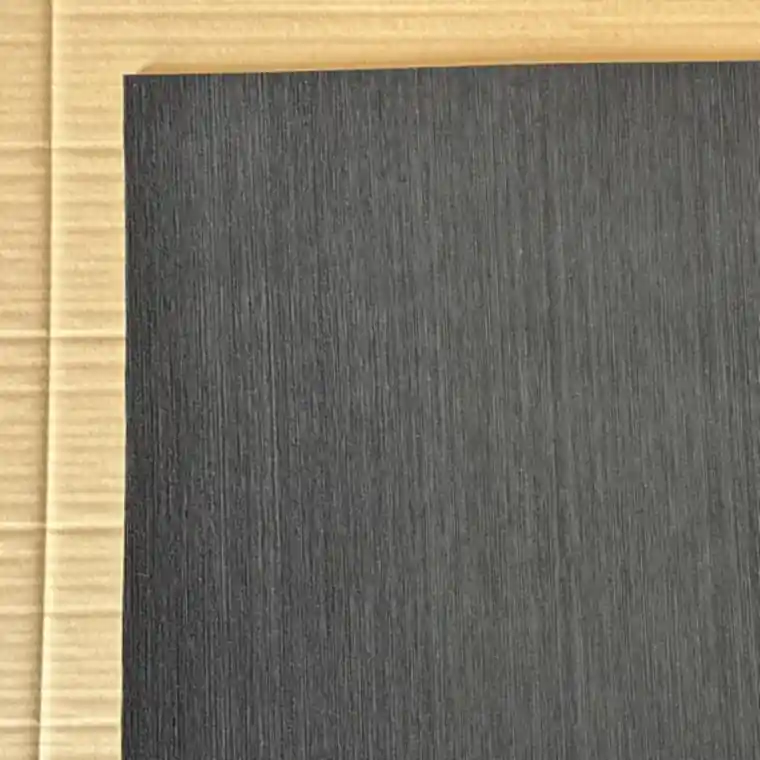
6 mm Single Colour Pool Tile - Wet Area Flooring for Changing Rooms and Showers to Pinterest (opens in a new window)Save on Pinterest : 6 mm Single Colour Pool Tile - Wet Area Flooring for Changing Rooms and Showers
 Add to cartMORE INFO
6 mm Single Colour Pool Tile - Wet Area Flooring for Changing Rooms and Showers
41.86 € excl. VAT -
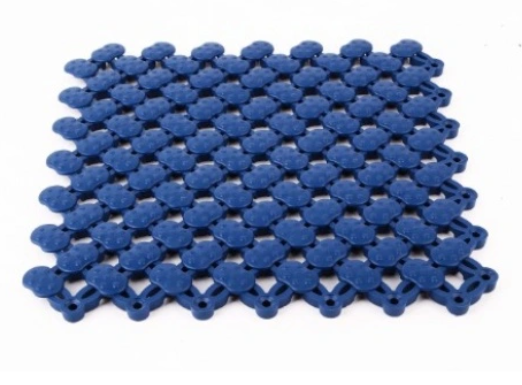
Anti-Slip Perforated Draining Pool Tile 20 × 20 cm — CE & SGS to Pinterest (opens in a new window)Save on Pinterest : Anti-Slip Perforated Draining Pool Tile 20 × 20 cm — CE & SGS
![Anti-Slip Perforated Draining Pool Tile 20 × 20 cm — CE & SGS]()
 Add to cartMORE INFO
Anti-Slip Perforated Draining Pool Tile 20 × 20 cm — CE & SGS
25.00 € excl. VAT