Post-Workout Nutrition and Supplements: A Guide for Gym Operators
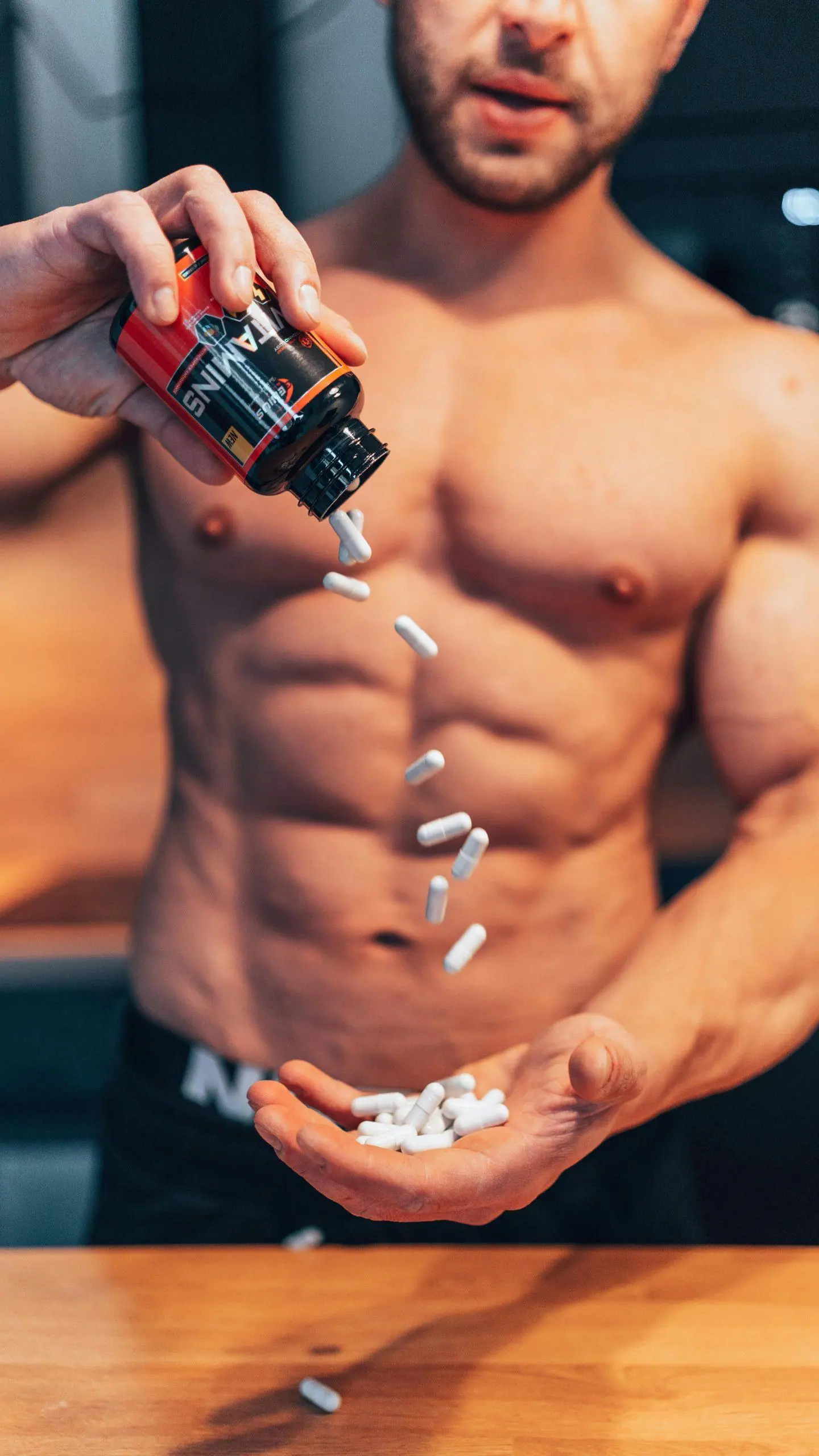
Recovery is where training results are actually produced, and it is also one of the areas where gym members ask the most questions and receive the worst answers. If your facility sells supplements, runs a juice bar or simply has coaches who get asked what to take after a session, your team needs a defensible position on post-workout nutrition. This guide sets out what the main product categories do, what a commercial operator may and may not claim about them, and how recovery affects the equipment you put on your floor.
Why recovery deserves a place in your service offer
Every training effort, from an advanced strength session to a running club or a yoga class, ends in the same physiological place: the body needs to repair. Finishing the session is only half the result. What happens in the hours afterwards decides whether the member adapts or simply accumulates fatigue.
Two processes matter. Damaged muscle fibres are repaired, and it is during that repair that stronger tissue is laid down, producing gains in strength and muscle mass. At the same time the body replenishes stored glycogen, which is what allows the member to maintain output in the next session rather than arriving flat.
Neglecting recovery slows progress and raises injury risk. For an operator, that shows up in two commercially relevant places: members who stop seeing results churn, and members who get hurt stop attending. Recovery is not a nice-to-have adjacent service; it is retention.
Protein: the structural material
Protein is the base of muscular recovery, and a portion after training is the single most useful nutritional habit a member can adopt. It supplies the amino acids used to rebuild damaged fibres and supports the development of muscle mass over time.
When advising on product selection, quality and composition matter more than brand. A useful product is rich in essential amino acids and easily digestible. The balance with carbohydrate also matters: many post-workout products combine the two, supplying both the building material and the energy needed to restore the body’s energy balance.
Whey protein is the most studied and most widely used option in this category. Whether a member is a professional athlete or trains twice a week, the principle is the same: the quality of a training block depends on what happens after the session as much as during it.
Carbohydrate: restoring the fuel
After an intense session the body needs energy quickly in order to recover well, and carbohydrate is what refills glycogen stores. For members training frequently or at high intensity, this is not optional – it is what makes the next session possible.
Dedicated post-workout carbohydrate preparations are formulated to be absorbed easily, which is their main advantage over an arbitrary snack. For most members, however, a normal meal containing carbohydrate within a reasonable window after training achieves the same thing. The supplement is a convenience, not a requirement, and framing it honestly protects your credibility with members.
BCAAs, creatine, taurine and glutamine: what the categories claim
Beyond protein and carbohydrate, four ingredients dominate the post-workout shelf. Each is worth understanding, and each is worth describing accurately.
- Branched-chain amino acids (BCAAs) – leucine, isoleucine and valine. They are widely used around training sessions, particularly at high training intensities. Their practical benefit is smaller for members who already reach an adequate daily protein intake, since the same amino acids are present in whole protein sources.
- Creatine monohydrate – the best-evidenced ergogenic supplement in the category. It supports the regeneration of ATP, the basic energy unit of muscular contraction, which is why it helps members sustain repeated high-intensity efforts and tolerate successive working sets.
- Taurine – frequently included in recovery and pre-workout formulas. Note that taurine is not a protein-forming amino acid at all, and it is not an essential amino acid.
- Glutamine – the most abundant free amino acid in the body and conditionally essential, meaning the body normally produces enough but requirements can rise under severe physiological stress. It is not an essential amino acid in the dietary sense.
A note on how you describe these products. In the EU and the UK, nutrition and health claims on foods and food supplements are regulated: only authorised claims may be used, and statements such as strengthens the immune system or protects against muscle breakdown are not free to write on a poster or a price list. If your facility retails supplements, the wording is a compliance question and should be checked before it goes on the wall.
The part supplements cannot do
Supplementation is a complement to a balanced diet and an appropriate training plan, not a substitute for either. Adequate sleep, sensible nutrition across the whole day and genuine relaxation do more for recovery than any product on the shelf, and a coaching team that says so builds more trust than one that sells first.
Where a facility offers structured nutrition advice as a paid service, it should be delivered by appropriately qualified staff. Floor coaches can and should point members towards general principles; individual dietary prescription is a different profession.
Recovery as a floor decision, not just a shelf decision
Operators tend to treat recovery as a retail category. The facilities that get the most out of it treat it as floor space. A dedicated recovery zone gives members a reason to stay longer, differentiates the offer from budget competitors and monetises square metres that would otherwise sit idle between peaks.
- Cold water immersion – now a mainstream expectation in performance-oriented facilities. See the cold plunge bath range, including portable and fixed units and the chillers that go with them.
- Wellness and recovery equipment – the wider category covering the equipment a recovery area needs. See wellness and recovery equipment.
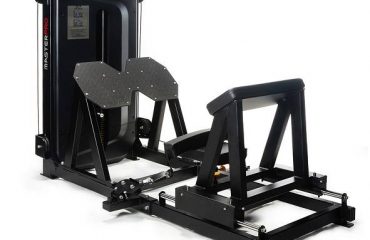
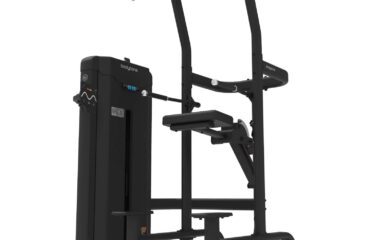
- Training equipment that supports progressive loading – recovery only pays off if the training stimulus is well controlled in the first place. See the professional strength training machines.
Frequently asked questions
Should a gym stock supplements at all?
It is a commercial decision, not a training one. Retail adds margin and convenience, but it also brings labelling and claims compliance obligations. Facilities that stock supplements should know who is responsible for the wording used to sell them.
Is there a post-workout window members must hit?
The urgency of the timing is far lower than supplement marketing suggests for members who eat adequately across the day. It matters more for members training twice daily or on consecutive high-intensity sessions.
Which supplement has the strongest evidence?
Creatine monohydrate, by a clear margin, followed by protein supplementation used to reach an adequate daily intake. Most other categories have thinner evidence and should be described accordingly.
Does a recovery zone need a lot of space?
Not necessarily. Portable cold plunge units and compact recovery setups fit into surprisingly small footprints. The sizing depends on your attendance profile, which is what our technical team works from.
Building the recovery side of your facility
Post-workout nutrition is advice your team gives away. A recovery zone is an asset your facility owns. If you are planning one – cold water immersion, a wellness area, or simply a floor layout that gives recovery somewhere to happen – send us your surface area and attendance profile and our team will return a specification and a layout proposal. Request a quote.
Sources et références
- ANSES – avis et rapport sur les compléments alimentaires destinés aux sportifs
- NF V94-001 – prévention du dopage dans le sport : bonnes pratiques visant l’absence de substances dopantes (AFNOR)