Portable Cold Plunge Baths: The Complete Recovery Guide
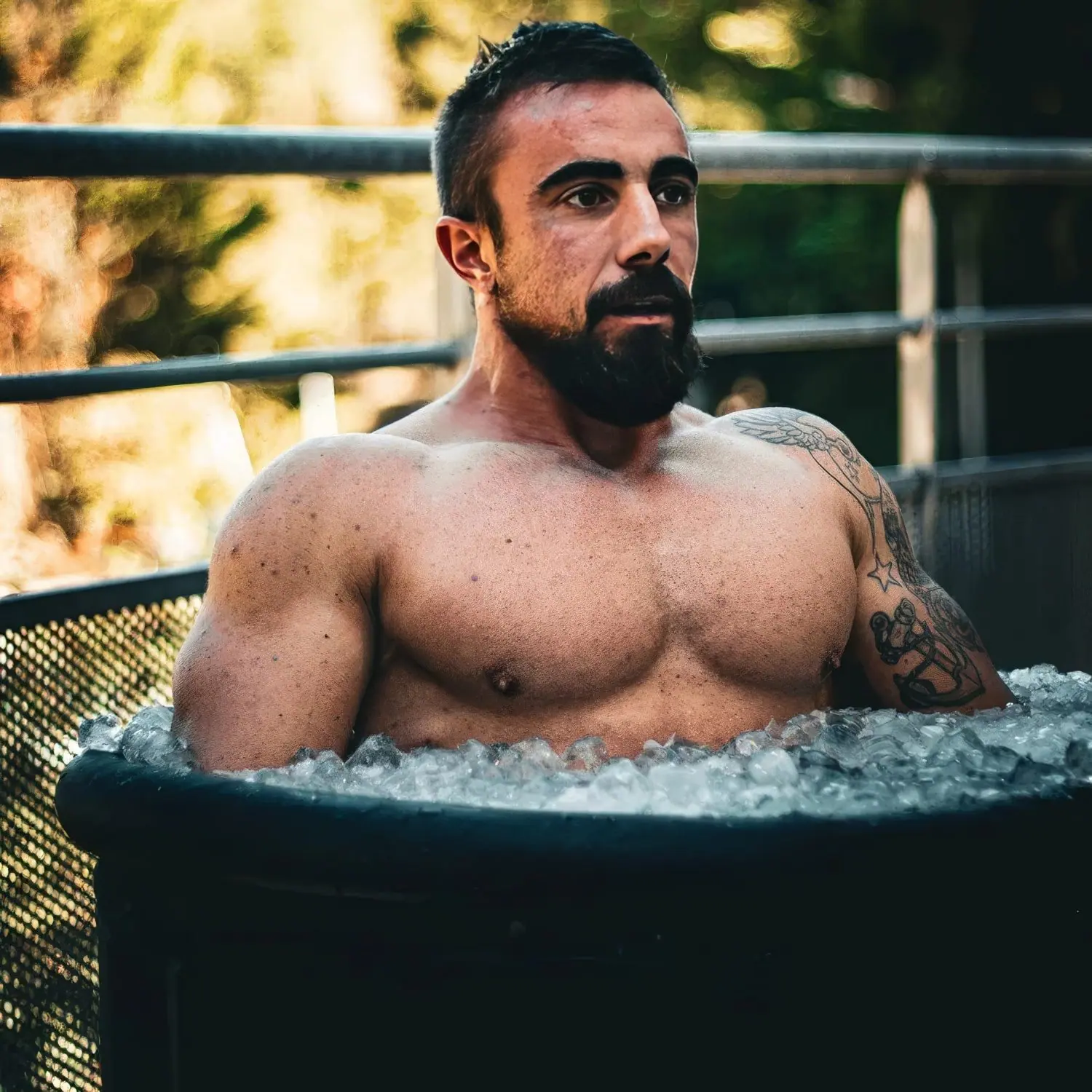
Cold plunging has moved from social media to the recovery area of serious training facilities. Athletes and members alike now expect it, and a portable cold plunge bath is the fastest way for a gym, a club or a hotel to offer it without a construction project. This guide covers what the equipment does, how to chill it, how to keep the water clean, where to put it and how to use it safely after strength or cardio sessions.
Why a portable cold plunge bath supports muscle recovery
A portable ice bath, also called a cold plunge or ice bath, is a genuinely useful recovery tool. Intense training produces inflammation in the muscles, and a degree of that inflammation is necessary for adaptation. Excessive inflammation, however, prolongs soreness and slows the return to full training.
Cold water immersion helps limit that excess, reducing muscle soreness and shortening the recovery window. Cold therapy is now widespread among elite athletes and recreational members alike, which is why it has become a standard feature in commercial recovery zones.
How to chill a portable cold plunge bath
There are several ways to bring the water down to temperature:
- In winter: no ice is needed. Fill the tub with cold water and leave it outdoors; the ambient temperature does the work.
- In summer or mid-season: for occasional use, bagged ice from a supermarket is perfectly adequate.
- For frequent use: freeze water bottles and place them in the tub the evening before. This holds the water cold effectively at no extra running cost.
Be aware that daily use in high summer is not realistic with an ice-filled portable tub, however many insulating layers it has. For that pattern of use, plan a professional unit with an integrated chiller: our cold plunge chillers hold a set temperature without any ice handling at all.
Water hygiene and maintenance
Cold water still needs managing:
- Without treatment: change the water every week to avoid bacteria and viruses.
- With treatment: use a bromine diffuser and balance the pH, which extends the interval to as much as a month.
For professional use with multiple bathers per day, a powered cold plunge with filtration and disinfection is not optional. It is the only way to keep water quality consistent across a full timetable.
Where to install a portable cold plunge bath
Site the tub on a solid floor able to carry at least 500 kg/m2, such as heavy-duty rubber gym flooring tiles, out of direct sun, and close to a water supply and a drain so refilling is quick. In a commercial setting, plan the route between the tub and the drain before the tub arrives, not after.
Is a portable cold plunge bath easy to move?
Yes. A portable cold plunge bath generally weighs around 4 kg empty and travels in a waterproof carry bag, and assembly is straightforward. That makes it well suited to sporting events, away fixtures and any operation that has to move its recovery setup by car or coach. The full range of portable cold plunge baths is built around that constraint.
What to check before buying
Very cheap tubs from marketplace sellers are tempting, but lower build quality translates directly into a higher risk of leaks, and a leak indoors is an expensive problem. For any installation inside a building, choose a unit whose seams, valves and liner are specified for repeated commercial use, and confirm that spare parts and a warranty exist before ordering.
Frequently asked questions
When should a cold plunge be used to optimise recovery?
After strength training aimed at hypertrophy, wait at least 4 hours, so the beneficial inflammatory response that drives muscle growth is not blunted. After cardio, the opposite applies: place the plunge as close as possible to the end of the session to maximise recovery.
How long should you stay in a cold plunge bath?
Aim for an average of 11 minutes per week in total, split across sessions according to individual cold tolerance. Beginners should start with 30 seconds and build up progressively rather than chasing a long first exposure.
What water temperature is needed?
A water temperature below 15 degrees Celsius is enough for clear benefits. Adjust the duration to the temperature: the colder the water, the shorter the exposure.
Are there any risks?
Cold immersion is broadly safe but is not advised for pregnant women or for people with cardiac conditions without prior medical advice. As with heavy lifting, nobody should plunge alone: always have someone present who can respond to an unexpected reaction. In a commercial facility, that means written supervision rules, not goodwill.
Equip your recovery area
Used correctly, a portable cold plunge bath is an effective and practical recovery tool, and one of the least expensive ways to add a visible service to a training facility. Tell us how many members will use it and how often, and we will specify the tub, the chilling method and the flooring together. Request a quote for your recovery zone.