The Most Nutritious Fish: A Complete Guide
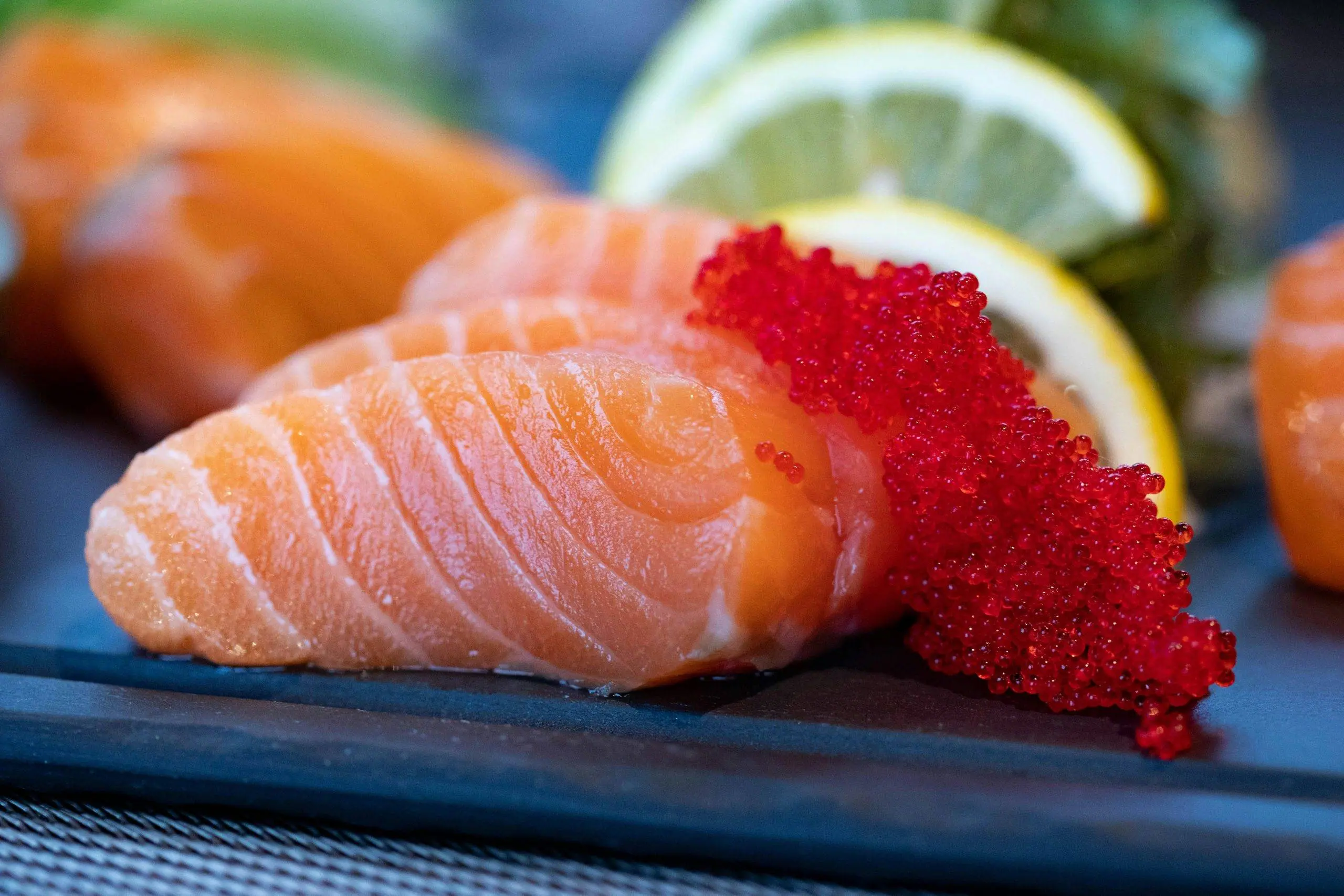
Nutrition is the part of a training result that happens outside the gym, and fish is one of the few foods that covers several requirements at once: high-quality protein, long-chain omega-3 fatty acids, vitamin D and vitamin B12, and minerals such as iodine, selenium, iron and zinc. For operators of clubs, hotels, residential sports centres and rehabilitation facilities, it is also one of the easiest subjects to get wrong in member communication. This guide sets out which species are genuinely nutrient-dense, and how to talk about them without overstating what food can do.
Which fish are the most nutrient-dense?
All fish supply high-quality protein, but the oily species carry far more long-chain omega-3 than the lean white ones. Here are the six that come up most often.
Salmon
One of the most complete choices available. Salmon supplies long-chain omega-3 fatty acids, protein, vitamin D and vitamin B12, and it is also a good source of selenium. It is the species most people already know how to cook, which matters when the goal is a habit rather than a one-off.
Trout
A freshwater fish with a nutritional profile close to salmon: protein, omega-3, vitamin D and B12, plus potassium, phosphorus and selenium. Farmed trout is generally regarded as a lower-impact choice than salmon, which makes it a useful option where sourcing policy matters.
Mackerel
An oily fish and an excellent source of omega-3, protein, vitamin D and B12, as well as selenium, phosphorus and niacin. It is versatile – grilled, smoked or cooked into a dish – and inexpensive, which is why it works well in a catering setting.
Sardines
Small, dense and consistently underrated. Sardines supply omega-3, protein, vitamin D and B12, and because the soft bones are eaten they are also a source of calcium, along with iron and selenium. Tinned sardines are the simplest way for anyone to raise their fish intake without a change of habit.
Herring
Another oily fish rich in omega-3, protein, vitamin D and B12, with selenium, phosphorus and niacin. Usually eaten pickled or smoked, with a distinctive flavour that some palates take time to accept.
Cod
A lean white fish: a very good source of protein, vitamin D and B12, plus selenium, phosphorus and niacin, but with far less omega-3 than the oily species. Its delicate texture makes it an easy entry point for people who dislike strong-tasting fish.
| Species | Type | Main contributions |
|---|---|---|
| Salmon | Oily | Omega-3, protein, vitamin D, B12, selenium |
| Trout | Oily, freshwater | Omega-3, protein, vitamin D, B12, potassium, phosphorus |
| Mackerel | Oily | Omega-3, protein, vitamin D, B12, selenium, niacin |
| Sardines | Oily, small | Omega-3, protein, vitamin D, B12, calcium, iron |
| Herring | Oily | Omega-3, protein, vitamin D, B12, selenium, phosphorus |
| Cod | Lean, white | Protein, vitamin D, B12, selenium, phosphorus |
How to build fish into a weekly diet
- Aim for fish at least twice a week. Most national dietary guidance converges on this figure, with at least one of the two an oily species. Varying the species varies the nutrients.
- Pay attention to sourcing. Certification schemes for wild-caught and farmed fish exist precisely so that the buyer does not have to arbitrate alone. In a catering context, sourcing policy is easier to defend when it is written down before the first order.
- Choose cooking methods that add nothing. Steaming, oven baking or pan-cooking with a small amount of olive oil preserve the nutritional profile. Deep frying does not.
- Use fish in cold dishes. Grilled salmon or tinned sardines on a green salad is one of the lowest-effort ways to raise weekly intake.
- Vary the preparations. Repetition is the main reason good intentions fade. Different culinary traditions offer very different ways of cooking the same six species.
Frequently asked questions
What do the omega-3 fatty acids in fish contribute?
Long-chain omega-3 fatty acids, mainly EPA and DHA, contribute to normal heart and brain function and are part of a balanced diet. They are not a treatment, and a food should never be presented as one: any statement made to members should stay within the health claims authorised in your market.
Is farmed fish as nutritious as wild-caught?
Nutritionally the two are broadly comparable, with the exact fatty acid profile depending on the feed. In the European Union, hormone use in food-producing animals is prohibited and veterinary treatments in aquaculture are regulated and monitored, so the choice between farmed and wild is a question of sourcing, price and environmental impact rather than of safety.
Can pregnant women eat these fish?
Fish is a valuable source of nutrients during pregnancy, but national guidance recommends limiting species that accumulate mercury, such as swordfish and some tuna. Individual advice belongs to a healthcare professional, not to a facility’s staff.
Is tinned fish as good as fresh?
Tinned fish retains most of its nutrients, including omega-3. Prefer products packed in water or olive oil rather than in sauces high in salt.
Are there species to avoid because of overfishing?
Yes. Stock status varies by species and by fishing area, and it changes over time. Rather than relying on a fixed list, consult the current sustainability ratings published by recognised certification and assessment bodies before setting a purchasing policy.
Are breaded and fried fish products still nutritious?
The fish underneath is, but breading and frying add fat and energy that are not part of the nutritional argument. Where a facility serves food, the cooking method deserves as much thought as the species.
Nutrition, training and the facility around them
Diet supports training; it does not replace it. Members build strength and cardiovascular capacity on the equipment you put in front of them, and recovery is what allows that work to accumulate. Facilities that pair a credible nutrition message with a well-specified strength training area and a dedicated recovery and wellness zone retain members longer than those that rely on either one alone.
If you are planning or renovating a facility, send us your floor plan and your member profile and we will return a configured proposal – request a quote.