Types of Professional Gym Equipment Available on the Market
The professional fitness market has grown to the point where a buyer opening a supplier catalogue faces several hundred references spread across categories that overlap. Behind that apparent complexity there are only a handful of equipment families, each answering a different need on the gym floor. Knowing what each family does, and what it does not do, is what turns a catalogue into an equipment list.
The equipment families at a glance
| Category | What it covers | Typical role on the floor |
|---|---|---|
| Free weights | Dumbbells, barbells, discs, kettlebells | Upper body and full body work, unlimited exercise variety |
| Benches | Flat, incline, decline, abdominal and adjustable benches | Support for barbell and dumbbell work, abdominal training |
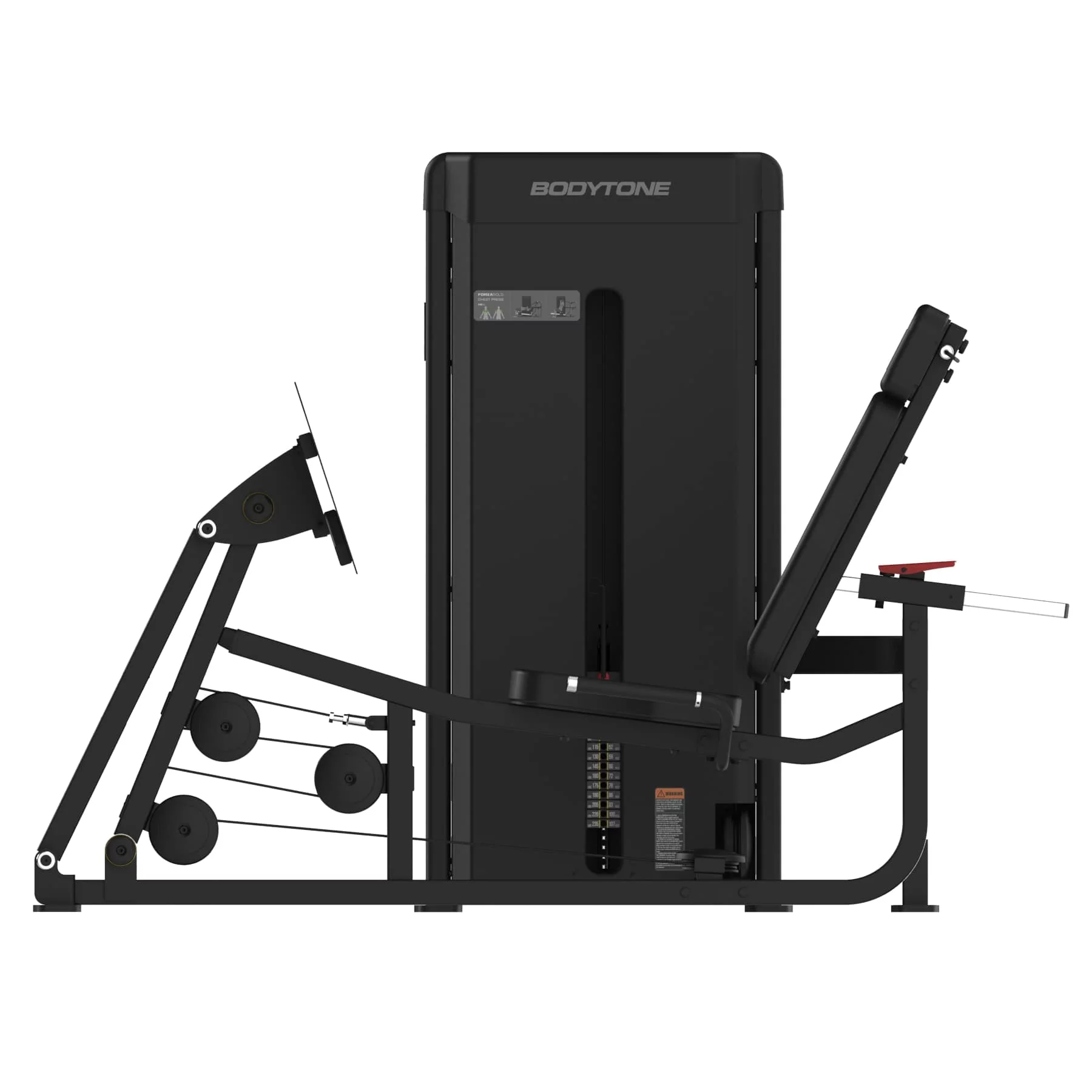
| Selectorised machines | Guided load with a weight stack | Beginners, circuits, safe use with limited supervision |
| Plate loaded machines | Guided movement, load added by hand | Heavier strength work with a natural resistance curve |
| Cable stations | Adjustable pulleys and crossovers | Functional work, rehabilitation, many exercises in one footprint |
| Multi station units | Several workstations on one frame | Small rooms, hotels, residences, corporate facilities |
| Cardio | Treadmills, bikes, cross trainers, rowers, stair climbers | Endurance, warm up, calorie oriented sessions |
| Small equipment | Mats, bands, medicine balls, storage | Group classes, functional corners, mobility work |
Free weights and benches: the base layer
Dumbbells and barbells remain the most versatile equipment in any facility, and they are also the least demanding in floor area for the number of exercises they allow. Their limitation is that they require the user to stabilise the load, which is exactly what makes them valuable for experienced members and unsuitable for an unsupervised beginner. They only work properly with the right support: a bench press station is a bench plus a rack, not a bench alone. The range of professional weight benches is built around that pairing, with flat, adjustable and abdominal versions covering the usual movements.
Guided load: the safest entry point
Machines with a guided load impose the movement path. That is a constraint for an athlete and an advantage for everyone else: the exercise is defined, the risk of a technical fault is reduced, and stabilisation is handled by the frame rather than the user. This is why a room open to a mixed membership almost always builds its core around guided machines and adds free weights around them, not the other way round.
Multi station units and space constrained rooms
When the floor area does not allow one machine per movement, a multi station gym concentrates several workstations on a single frame and a shared weight stack. Hotels, residences, corporate rooms and small clubs use them for that reason. The trade off is throughput: a multi station unit serves fewer simultaneous users than the equivalent number of separate machines, which matters as soon as the room has peak hours.
Cardio: a different function, not a lesser one
Rowers, cross trainers, bikes and treadmills belong to a separate logic. They are used for endurance, for warming up, and for the sessions members do when they have no strength plan. Treadmills also carry the high intensity interval work that a growing part of the membership expects. The professional cardio range is sized by the number of simultaneous users at peak time rather than by the size of the room.
Small equipment finishes the job
Mats, bands, medicine balls, kettlebells and their storage are what make a functional corner or a class area usable. They cost a fraction of a machine and are often what members notice first when they are missing or in poor condition. Planning professional fitness accessories and their storage at the same time as the machines avoids the usual result: equipment left on the floor because nothing was provided to put it away.
Frequently asked questions
Which machines cover the most muscle groups?
Cable stations and multi station units cover the widest range of movements per square metre. Dedicated machines cover each movement better but need one footprint each.
Do professional rooms still need free weights?
Yes. Beyond a certain level of experience, members expect barbells and dumbbells, and no machine replaces the stabilisation work they require.
What standard applies to indoor equipment?
EN ISO 20957-1, class S for supervised commercial use. Class I is the professional class for inclusive access, not a higher level of intensity.
Can folding or multi purpose equipment save space?
Multi purpose frames genuinely save floor area, at the cost of user throughput. They suit rooms where the number of simultaneous users is low and predictable.
From categories to an equipment list
The categories above only become a list once they are placed against a real floor plan, a real membership and a real budget. Send the dimensions of the room and the profile of the users, and the families can be balanced against them: request a quote.