Gym Equipment: Which Machines Your Facility Actually Needs
A professionally equipped gym is not a collection of machines – it is a set of categories that cover every member journey, from the first induction to the heaviest training block. Get the categories right and the floor works. Get them wrong and you end up with queues in one zone and dead space in another.
The core categories
Every commercial facility is built on the same foundations, whatever its size or positioning.
- Strength machines – selectorised stations for guided, supervised progression and plate loaded frames for strength-oriented members. See the strength training machines range.
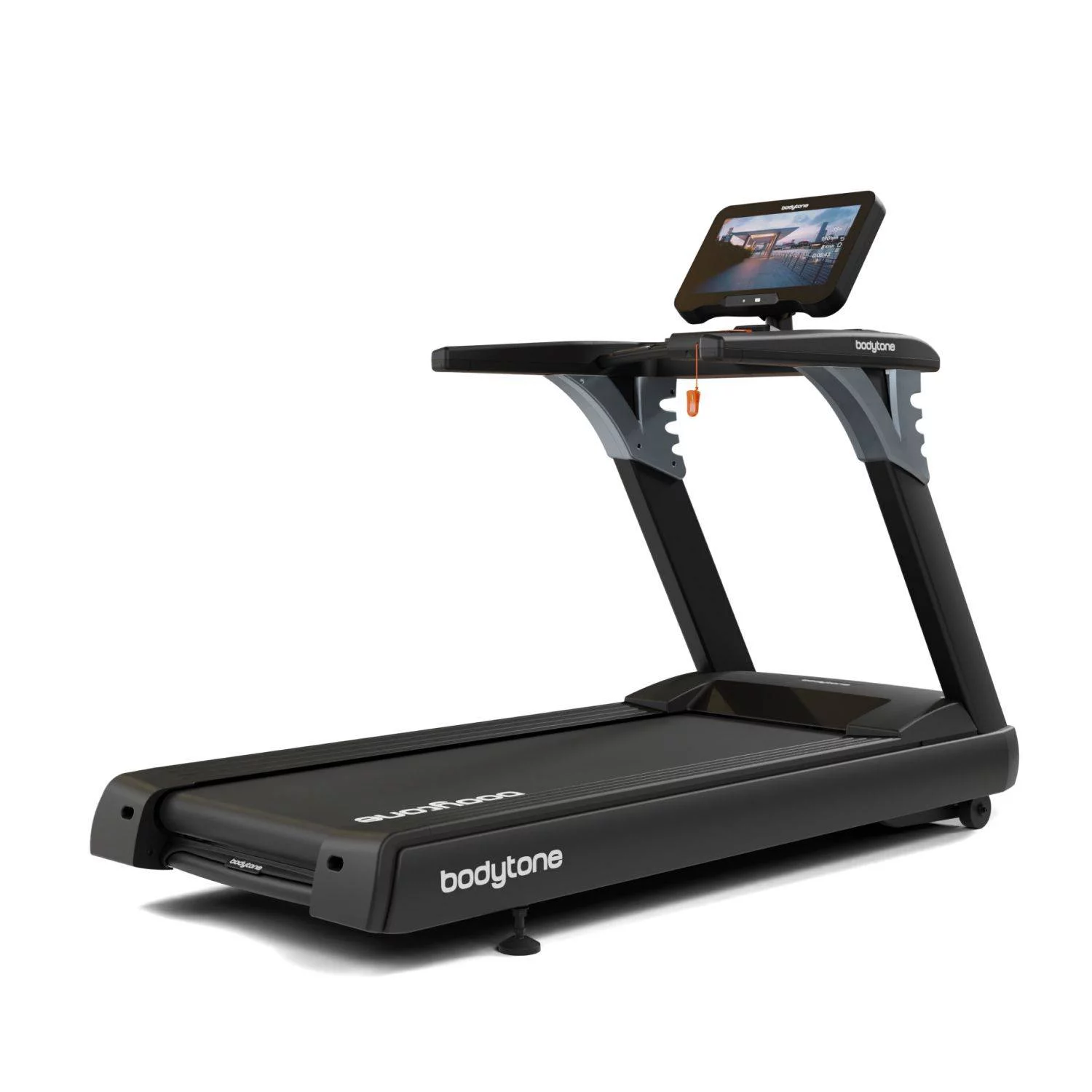
- Cardio equipment – treadmills, exercise bikes, cross trainers, rowers and ski ergometers. This is the zone that determines perceived capacity at peak hours. Browse cardio equipment.
- Racks, cages and free weights – the area that retains experienced members and drives word of mouth.
- Accessories and small equipment – dumbbells, kettlebells, bars, mats and functional tools. Low unit cost, high impact on programming. See fitness accessories.
The stations that differentiate a facility
Beyond the basics, a small number of additional stations change how a gym is perceived without changing its cost base dramatically. They are not part of the core specification, but they are what members talk about.
- T-bar row – a compact back-training station that adds a heavy pulling option without the footprint of a full plate loaded machine.
- Arm wrestling table – a social station that costs little floor space and gives a gym a distinct identity, particularly in strength-focused clubs.
- Sleds and functional zones – equipment that supports group formats and personal training revenue rather than solo use.
These stations are the difference between a floor that covers the basics and one that people choose over the gym down the road.
How to build the specification
| Question | What it determines |
|---|---|
| Who are your members? | The strength to cardio ratio and the level of guided versus free-weight equipment |
| What is your peak occupancy? | The number of duplicate cardio and selectorised stations required |
| What is your floor area and floor loading? | Which heavy stations are feasible and where the free-weight zone sits |
| What is your budget per zone? | Whether to specify plate loaded or selectorised for a given area |
Specify for professional use, not for volume
All equipment installed in a facility open to members, staff or the public should be built and certified to EN ISO 20957-1 class S, the class intended for professional and institutional use. It governs frame strength, stability, guarding and the durability expected under continuous multi-user loading. Equipment outside that class does not belong on a commercial floor, whatever the headline price.
FAQ
What is the minimum equipment for a commercial gym?
A cardio zone, a selectorised strength circuit, at least one rack or cage with free weights, and a basic accessory set. Everything else is positioning.
Should we buy strength or cardio first?
Cardio drives perceived capacity at peak hours; strength drives retention. Most facilities under-specify strength and over-specify cardio. Base the ratio on your actual member profile, not on the layout of the gym you visited last.
Do the extra stations really pay off?
They rarely pay for themselves in direct usage, but they cost little floor space and give a facility a recognisable identity, which is what members compare when they choose between two similar gyms.
Get your floor specified
Light In Fitness has equipped professional facilities since 2013. Send us your floor plan, your opening hours and your member profile, and we will come back with a zone-by-zone specification. Request a quote.