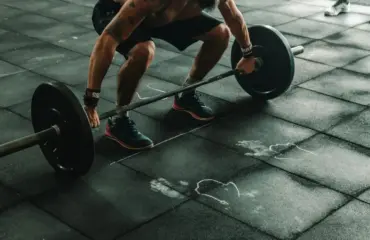
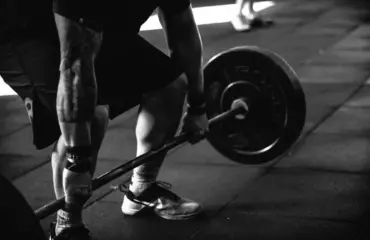
Strength Equipment and Machines: The Guide to Equipping Your Gym
Le choix des appareils de musculation est l'investissement le plus structurant d'un projet de salle : il fixe le budget, l'implantation et le public accessible. Une machine multifonction couvre plusieurs exercices sur une seule emprise, un appareil dédié offre une meilleure biomécanique par mouvement. Ce guide compare les deux approches selon la surface et la fréquentation attendues.
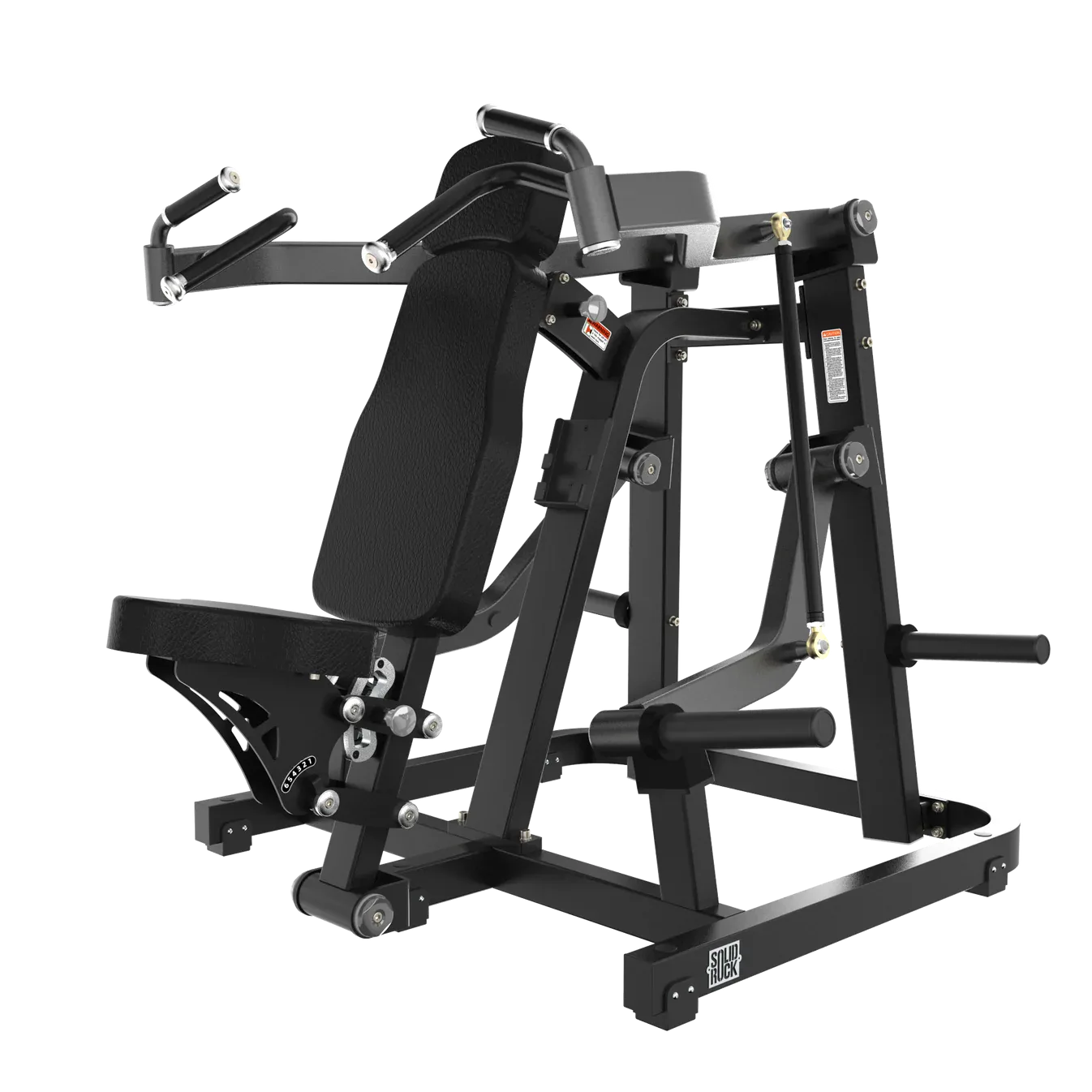
The choice of strength machines is the most structuring investment in a gym project: it fixes the budget, the layout and the audience the facility can serve. A multi-function station covers several exercises within one footprint; a dedicated machine delivers better biomechanics per movement. This guide compares the two approaches against the surface area and the attendance you expect.
Whether the brief is a commercial club, a hotel fitness suite, a corporate gym or a personal training studio, the difference between a multi-function station and a standard machine is not only visible to the eye. It is felt on every repetition, and it shows up in the maintenance budget three years later.
The equipment a performing gym cannot do without
To cover every muscle group and guarantee steady progression, some categories qualify as essential.
- Guided strength machines. Ideal for muscular isolation and for safety, and the backbone of any floor serving mixed ability levels. See our strength training machines.
- Free-weight equipment. For functional work and for recruiting the stabilising muscles that guided movement leaves out. Racks, bars and weight benches belong here.
- The multi-function station. The space-saving solution par excellence, allowing dozens of exercises from a single station. Our multi-station gyms cover this configuration.
Selection criteria: why professional grade is not optional
When buying, do not let the design carry the decision on its own. For a gym floor, strict technical criteria come first.
- Biomechanics. A machine has to respect the physiological movement of the body in order to avoid needless joint stress. This is where a dedicated machine beats a multi-function station: one movement, one optimised path.
- Density and materials. High-density steel is what guarantees the machine will not deform over time, even under extreme loads.
- Maintenance and safety. Aviation-grade cables and pulleys reduce the risk of failure and cut the running cost of the equipment.
Beyond those three, indoor strength equipment for professional use should be certified to EN ISO 20957-1 class S, the class defined for professional duty. Class I is a professional class too, defined by inclusive access rather than by a higher level of intensity.
What Light In Fitness builds into the specification
- Robustness and finish. Our machines are designed around ultra-robust frames with epoxy paint finishes resistant to impact and to corrosion.
- Safety and standards. Our equipment answers the fire-rating and safety requirements applicable to buildings open to the public. The exact fire classification depends on the item and on the national building regulations at the site: ask for it in writing on the specific reference you are ordering.
- Perceived value. Installing well-built equipment raises the perceived value of a facility. The smoothness of a movement is a technical proof point that retains members from the first session.
The Bodytone SRX range is where that construction philosophy is most visible.
Matching the equipment to the type of space
| Type of space | Recommended equipment | What it delivers |
|---|---|---|
| Small footprint: corporate gym, hotel suite, residential facility | Compact multi-function station | Space saved with no loss of stability |
| Personal training studio | Adjustable benches, racks and cable stations | Extreme versatility and professional robustness |
| Commercial gym | Full range of dedicated machines | Durability under intensive round-the-clock use and responsive after-sales support |
The table is also a budget guide. A compact multi-function station concentrates spend into one item and one anchoring point; a full range of dedicated machines spreads it across many, and pays it back in throughput at peak hours, because ten members can train simultaneously instead of queueing for one station.
Choosing a multi-function station that matches the objective
The right multi-function station depends on the priority of the facility: weight loss, muscle gain or return to sport after injury. Our specialists work through the configuration that maximises return on investment for the surface area actually available, which usually means starting from the floor plan rather than from the catalogue.
The Light In Fitness commitment
We understand that buying strength equipment represents a substantial budget. That is why we concentrate on the density of the components and on the precision of the assembly. Choosing Light In Fitness means choosing equipment that does not wobble, does not creak, and supports your members towards their personal records in complete confidence.
Frequently asked questions
Multi-function station or dedicated machines?
A multi-function station covers dozens of exercises from one footprint and suits constrained surfaces. Dedicated machines give better biomechanics per movement and carry far more simultaneous users, which is what a commercial floor needs at peak hours.
What makes a machine last?
High-density steel that does not deform under extreme load, an epoxy finish that resists impact and corrosion, and high-grade cables and pulleys that reduce both failure risk and maintenance cost.
What certification should the equipment carry?
Indoor strength equipment for professional use should be certified to EN ISO 20957-1 class S, with class I where inclusive access is required. Fire classification is separate and should be requested per reference.
Build the specification around your floor plan
Send us the surface area, the ceiling height and the attendance you expect, and we will come back with the mix of multi-function and dedicated equipment that fits it, rather than a catalogue extract: request a quote.
À lire aussi sur le même thème
- Strength Equipment: How to Choose Your Barbells and Dumbbells
- ZIVA pour les zones poids libres & entraînement fonctionnel : construire une zone belle, robuste et Instagram‑friendly
- What Is a Converging Strength Machine (and Why It Feels More Natural)
- Hack Squat, Belt Squat or Leg Press: Which One for Your Gym?