How to build an effective fitness training session: the complete guide
Members do not fail because they lack willpower: they fail because nothing in the room tells them what to do next. Fitness training mixes cardiovascular work, strength work and flexibility, and a session is good when those three are planned rather than improvised. This guide sets out the seven steps of a well built session and, for each one, what the facility itself has to provide so that a member can actually follow it.
The seven steps of a well built session
Fitness training is popular because it keeps people in shape, improves health and makes them feel better in their own body. Beginner or experienced, the same sequence applies, and the operator who designs the room around that sequence gets higher attendance and fewer injuries.
1. Define the objective
Before starting, the objective has to be stated clearly. Weight loss, strength gain or simply staying in shape lead to different exercise choices and different programmes. A member who cannot name their objective will drift between machines and stop coming within weeks.
What the facility owes here is an intake conversation, however short, and signage that groups equipment by outcome rather than by manufacturer.
2. Plan the sessions
Proper planning is essential. Three to four training sessions a week is the recommended baseline, alternating with rest days so the muscles recover. A calendar or a fitness app helps organise sessions and keeps the routine regular.
For the operator that figure is a capacity calculation, not a wellness tip. Three to four visits per member per week is the number that decides how many stations a room needs at peak hour.
3. Choose the right exercises
There is a wide variety of fitness exercises, so they have to be matched to the objective and to the current level of condition.
| Family | Examples from the source | What it delivers |
|---|---|---|
| Cardiovascular | Running, cycling, swimming | Burns calories, improves endurance |
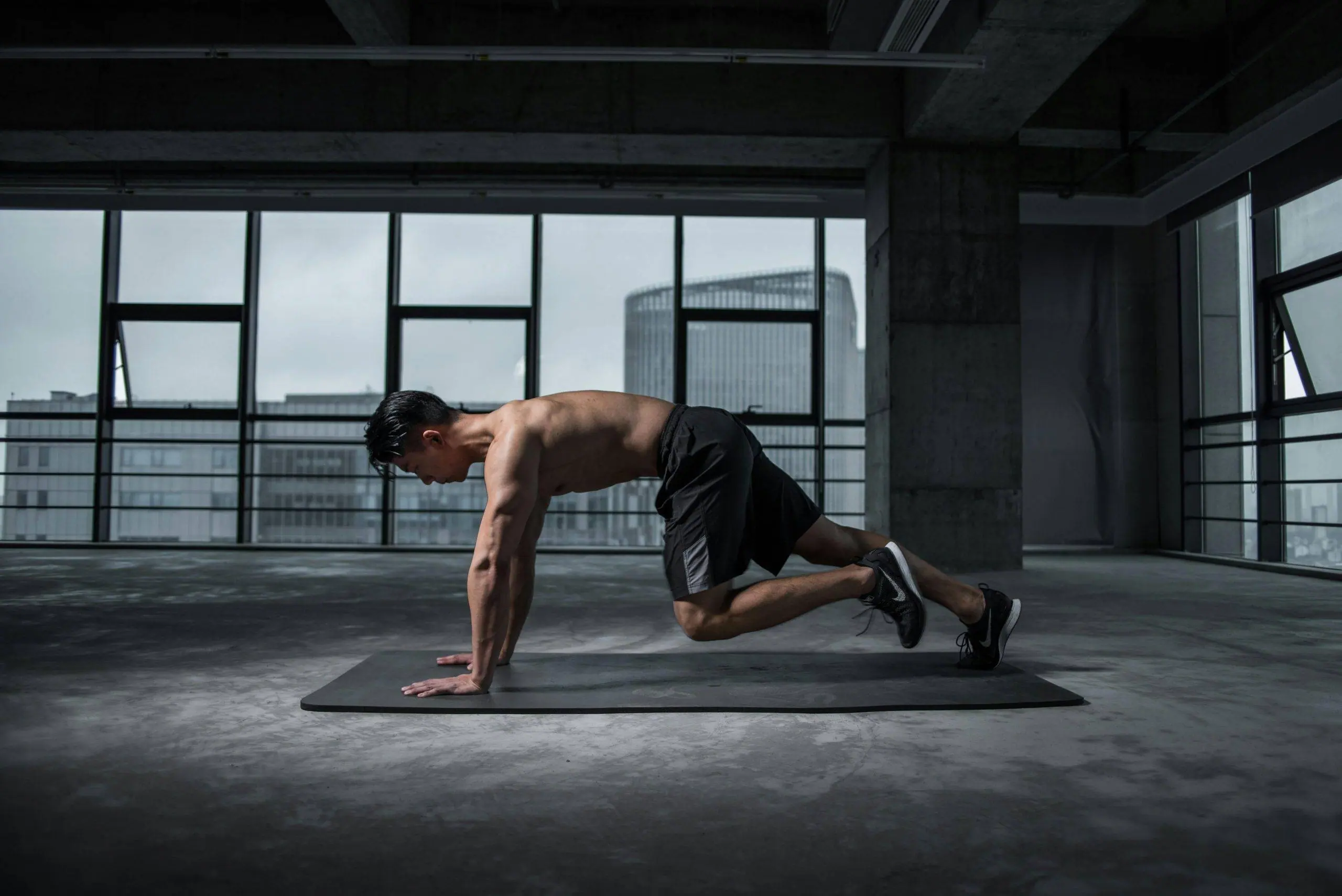
| Strength | Squats, press ups, abdominal work | Builds strength, tones muscle |
| Flexibility | Yoga, stretching | Improves suppleness, helps prevent injury |
A facility that carries only one of the three families forces its members to train incompletely. That is the practical reason a commercial floor pairs professional cardio equipment with strength training machines and keeps a dedicated area for mobility work.
4. Follow a progression
Lasting results require progression. Start with exercises and loads matched to the current condition, then raise the intensity and the difficulty gradually as it improves. That lets the body adapt and avoids plateaus.
Progression has an equipment consequence: the increments have to exist. A machine whose smallest step is too large stops a beginner’s progression dead, which is why weight stacks and small load increments matter more on a beginners’ floor than headline capacity does.
5. Use the right technique
Correct technique is essential both to avoid injury and to get results. Time spent learning the right posture and the right movement for each exercise pays for itself. Where needed, ask a coach for help or use instructional video to check the execution.
Guided load equipment does part of this work by constraining the movement path, which is what makes it appropriate for a floor where most sessions happen without a coach present.
6. Hydrate and rest
During sessions, drink water regularly. Recovery deserves the same attention as the training itself: rest days and good quality sleep are what allow the body to recover and rebuild after the effort.
On the operator side this is water points, ventilation and a room layout that leaves somewhere to sit between sets.
7. Adapt the training to the individual
Everybody is different, so the programme has to be adapted to personal needs. Anyone with a health condition or a physical limitation should get advice from a health professional or a coach. Varying sessions also prevents boredom and keeps motivation up.
Variety is a floor design question as much as a programming one: a room with too few distinct movement options runs out of novelty long before the member runs out of motivation. Accessories are the cheapest way to extend it, which is what a well stocked range of fitness accessories is for.
Frequently asked questions
What are the benefits of fitness training?
It carries many benefits for physical and mental health: burning calories, strengthening muscle, improving endurance, helping prevent cardiovascular disease, reducing stress and improving self esteem.
How long should a session last?
It varies with the objective and with availability. In general a session of 30 to 60 minutes is recommended for optimal results. Even short sessions of 10 to 15 minutes are beneficial when done regularly, which is a useful argument for facilities serving members with tight schedules.
Is equipment necessary for a good session?
Not strictly. Many exercises can be done with bodyweight or with simple items such as dumbbells, resistance bands or a mat. Equipment does, however, offer far more variety and far more exercise options, and variety is what keeps a member returning past the first month.
How do members stay motivated?
Set realistic, measurable objectives; vary the sessions to avoid boredom; find a training partner or join a group; reward reaching a goal; and keep the benefits of regular practice in mind. Group provision and a varied floor are the two levers an operator directly controls.
When should someone consult a professional?
Where there is a health condition, persistent pain, a physical limitation, or where the member is starting out. A professional can guide the choice of exercises and make sure the practice is safe.
Building the room that makes this possible
A good fitness session requires proper planning, appropriate exercise choices, sound technique and steady progression. Follow that and members maximise results, avoid injury and get the full benefit of training, provided the room they train in offers the three families of work, the progression increments and the space to recover.
Send us your floor plan, your member profile and your peak hour attendance, and our technical team returns a zoned layout and a detailed quotation. Request a quotation.