How to Choose an Effective Fat Burner: What Operators Should Know

Sooner or later every operator is asked the same question at the front desk: does a fat burner work, and which one should I take? Choosing one is presented as a decisive step for anyone trying to lose weight and change their body composition, and with the number of products on the market it is worth understanding what the ingredients are, what they are claimed to do, and where the evidence stops.
The short version, and the one worth repeating on the floor: no supplement replaces a balanced diet and regular physical activity. Everything below is context for that conversation, not a recommendation to sell.
1. How fat burners are said to work
Products marketed as fat burners are generally presented as raising basal metabolism and promoting the use of stored fat. Natural ingredients such as green coffee, green tea, caffeine and guarana are popular for their stimulant properties.
Caffeine is the one with the clearest documented effect: it can raise energy expenditure and blunt the sensation of hunger, which may help with appetite management. Note the wording. Under European food law, claims of this kind may only be made in the authorised form, and marketing that states flatly that a capsule burns fat is not compliant, whatever the label says.
2. The ingredients you will see on the label
- Thermogenics – capsaicin from chilli, caffeine. Presented as raising body temperature and supporting lipolysis, the process by which stored fat is mobilised.
- Appetite modulators – chitosan, cinnamon. Marketed as reducing the sensation of hunger and so making calorie intake easier to manage. The evidence behind these two in particular is thin.
- Natural diuretics – mate and various plant extracts. These act on water retention. A loss of retained water is not a loss of fat, and it should never be presented as one.
- Amino acids and vitamins – vitamin C and amino acids play a documented role in muscle recovery and in normal metabolism, which is a supporting role rather than a slimming one.
3. Efficacy and safety
Before anyone takes a fat burner, the possible side effects matter more than the promised results. Some products contain powerful stimulants, and even where they have an effect they can cause palpitations or insomnia. The sensible approach is to start at a low dose and increase gradually, and to stop at the first sign of an adverse reaction.
For an operator this is a liability question as much as a health one. Recommending a stimulant to a member whose medical history you do not know is not a service you want to be providing.
4. The part that actually works: diet and training
A fat burner will not do the work. Losing weight means a healthy, nutrient-dense diet and regular physical activity. Favour fibre-rich foods such as vegetables and oat bran to support digestion, and protein to preserve muscle mass. Foods low in sugar and refined carbohydrate make calorie intake easier to control.
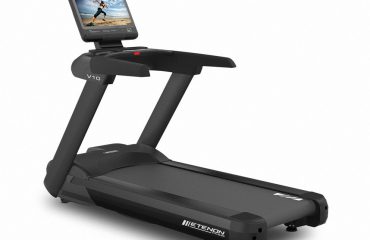
On the training side, the combination that changes body composition is straightforward and it is one you already have on the floor: regular cardio training for energy expenditure, and strength training machines to build and preserve the muscle mass that keeps resting metabolism up. Members who train both consistently need far less from a capsule than the advertising suggests.
5. Refer to a health professional
Anyone considering a fat burner should speak to a health professional first, particularly with an existing medical condition or ongoing medication. A dietitian or qualified nutrition adviser can point to what suits a specific situation and can assess the risks associated with obesity or being overweight properly. That referral is the right answer at the front desk, and it protects everyone involved.
Frequently asked questions
Should a club sell fat burners?
That is a commercial and regulatory decision, not a training one. If you do, check that every claim on the packaging and in your own communication is authorised in your market.
Do capsules, tablets or powders differ?
The format changes convenience and dosing accuracy, not the underlying ingredients. Judge the composition, not the presentation.
What should staff tell members who ask?
That diet and consistent training do the work, that stimulants carry real side effects, and that a health professional is the right person to consult before starting.
Equip the part that works
Body composition changes on the gym floor, not in a jar. If you are planning or renewing a cardio or strength area, request a quote and we will size it with you.