Sprained Your Ankle? What Rehabilitation Actually Looks Like
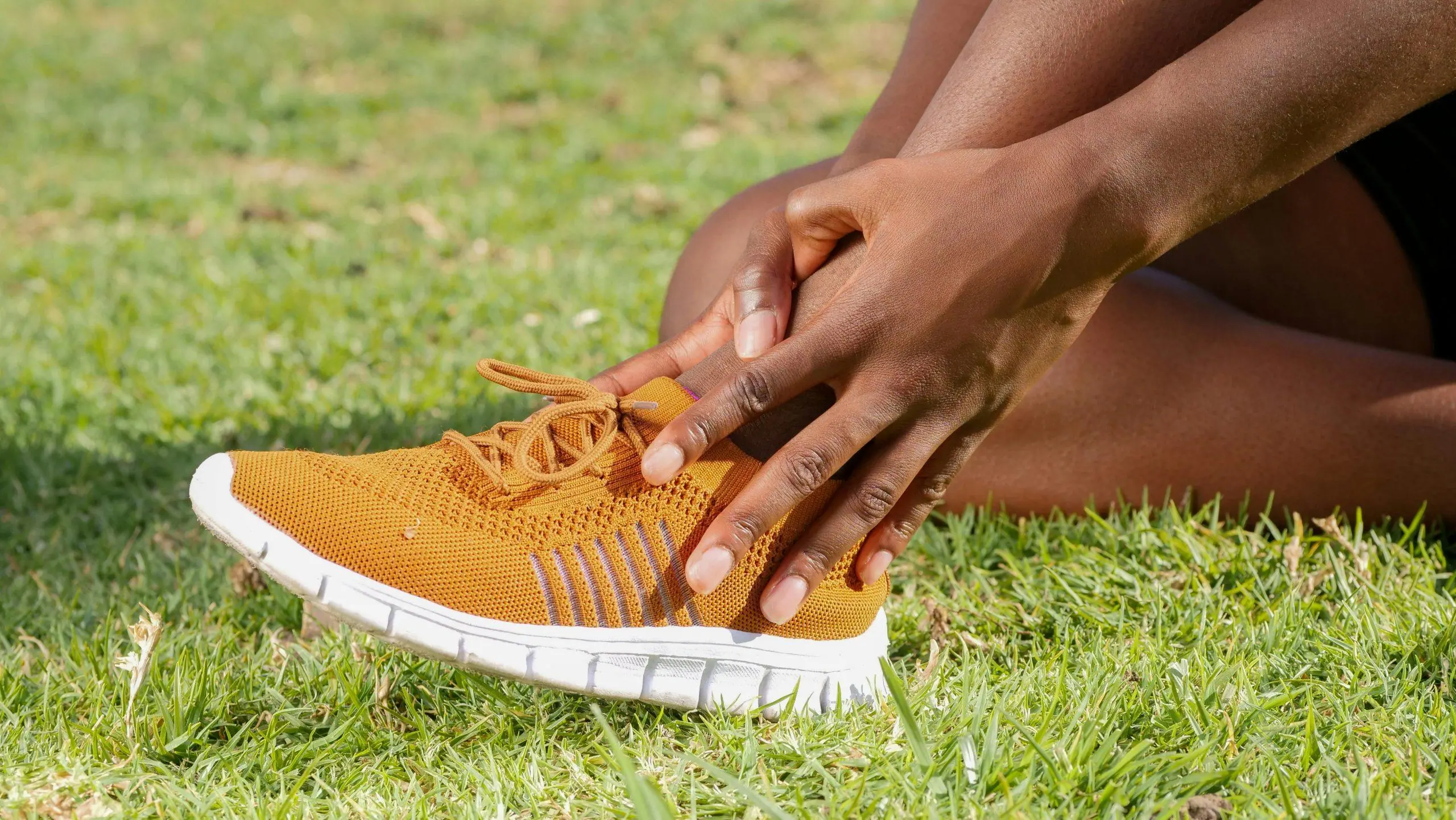
The ankle sprain is one of the most common musculoskeletal injuries there is. Athletes and physically active people meet it constantly, and so do the facilities that look after them. A sprain generally brings pain, swelling and restricted mobility, and it needs a proper rehabilitation programme to restore full function to the joint. This article sets out what that programme looks like, phase by phase, and what a rehabilitation room, a club or a gym has to provide to support it.
It is written as general information for facility managers, coaches and rehabilitation professionals. It does not replace an assessment by a qualified clinician, and any programme should be built with the healthcare professional following the case.
Ankle sprain: causes and symptoms
An ankle sprain is most often caused by a sudden, uncontrolled movement of the foot that goes beyond the physiological limits of the joint. The usual causes are abrupt changes of direction while running, jumping and landing on uneven surfaces, and falls that put the foot in a bad position. Footwear counts too: a poorly chosen model, or one that gives no real support to the ankle joint, can lead to a painful sprain on its own.
Symptoms vary with the severity of the injury, which is graded as follows.
| Grade | What has happened | Typical presentation |
|---|---|---|
| Grade I | Mild ligament strain | Minor swelling, minimal pain |
| Grade II | Partial ligament tear | Moderate swelling, pain, difficulty walking |
| Grade III | Complete ligament rupture | Marked swelling, intense pain, joint instability |
After the sprain: an example rehabilitation plan
The first objective of any physiotherapist after an ankle sprain is to reduce the patient pain and swelling. Once the persistent symptoms have settled, the work moves to restoring full joint mobility and strengthening the muscles around the ankle. That also improves proprioception and coordination, which is what prevents the injury recurring. Nobody wants to meet the same problem twice, which is why reducing the risk of recurrence is part of the treatment from the start.
A therapeutic plan is generally divided into four phases, each with its own objective and its own methods.
Acute phase, day 1 to day 7
The aim is to reduce pain and swelling and to protect the damaged joint. The PEACE part of the PEACE and LOVE protocol applies here.
- P for Protection: avoid further injury by resting and minimising stress on the joint.
- E for Elevation: keep the foot raised above the level of the heart to reduce swelling.
- A for Avoid anti-inflammatory modalities: early use of anti-inflammatory medication can delay the natural healing process.
- C for Compression: an elastic bandage to limit swelling.
- E for Education: explain to the patient why active participation in rehabilitation matters.
Subacute phase, day 7 to day 21
Here the goal is to restore range of motion and then begin strengthening the muscles. The LOVE part of the protocol takes over.
- L for Load: introduce appropriate loading to stimulate healing and tissue strengthening.
- O for Optimism: a positive patient attitude is decisive for effective rehabilitation.
- V for Vascularisation: low intensity aerobic exercise to improve blood flow.
- E for Exercise: active strengthening and stretching work.
For the vascularisation work, a seated or recumbent machine lets the patient load the circulation without loading the joint. A room that sees this caseload regularly should have at least one such station: see the recumbent bikes range.
Functional rehabilitation and return to full activity
The functional rehabilitation phase runs from three to six weeks and aims to restore full strength and stability of the joint and to improve proprioception. It uses advanced strengthening work: dynamic exercises with load such as single leg squats and split jumps, work on an unstable surface such as standing on one leg on a balance cushion, and exercises in water, which reduce the load on the joint.
This is where the equipment of the room becomes decisive. Balance cushions, boards and resistance bands cover the proprioceptive work, and the functional accessories range covers the usual set. Where the facility has water available, aquatic fitness equipment allows loaded movement long before the joint would tolerate it on land.
Rehabilitation closes with the return to full activity phase, from six to twelve weeks, in other words preparing the joint for sport. Preventing recurrence matters just as much here. The work becomes specific to the discipline: jumping, running, changes of direction. Whole body stabilisation work is useful in this period too, for example exercises on a rehabilitation ball and functional training, meaning simulation of real sporting situations that require fast changes of direction and loading of the joint.
Ankle sprain and self-directed work
Self-directed exercise matters a great deal with this injury: work that the patient can carry out at home to support the rehabilitation process. It is simple enough that anyone can do it, even with no training background, provided it is done regularly and within the limits set by the clinician.
- Stretching: gentle stretching of the Achilles tendon and the calf muscles.
- Range of motion work: daily circular movements of the foot and flexion of the joint.
- Strengthening: calf raises, standing up onto the toes, and exercises using resistance bands.
Frequently asked questions
How long does an ankle sprain take to rehabilitate? The plan above runs from the first week to around twelve weeks for a full return to sport. The actual timeline depends on the grade of the injury and on the clinician following the case.
Can a gym run this programme without a physiotherapist? No. A gym can provide the environment, the equipment and the supervised strength work, but the assessment and the progression belong to a healthcare professional.
What does a rehabilitation area actually need? A stable low load cardio station, adjustable resistance, balance and proprioception equipment, floor space and a floor surface that gives consistent grip.
Why avoid anti-inflammatories early on? Because the inflammatory response is part of the healing process. The protocol treats early suppression as counterproductive, which is why the A in PEACE stands for avoiding those modalities.
Building a room that supports recovery
Rehabilitation after an ankle sprain is what decides whether an athlete returns to full form or lives with a chronic problem. The process needs a complete approach: reducing pain and swelling, restoring mobility, strengthening the muscles and improving proprioception. Working with a physiotherapist, doing the recommended exercises regularly and using appropriate self-directed techniques are all necessary. If you are equipping a rehabilitation room or a club that carries this caseload, request a quote and we will specify the stations against the phases above.
Sources et références
- Code du sport, articles R322-4 à R322-43 – garanties d’hygiène et de sécurité applicables aux établissements d’activités physiques et sportives (Légifrance)
À lire aussi sur le même thème
- Comment gérer l’hypersensibilité tactile à l’âge adulte ?
- Taches et zones sombres devant les yeux : d’où viennent-elles et comment les éviter ?
- Les varices comme problème non seulement génétique et esthétique
- Pourquoi est-ce que je prends du poids en automne et en hiver ? Découvrez comment éviter cela !