The Complete Guide to Building Muscle in a Professional Gym
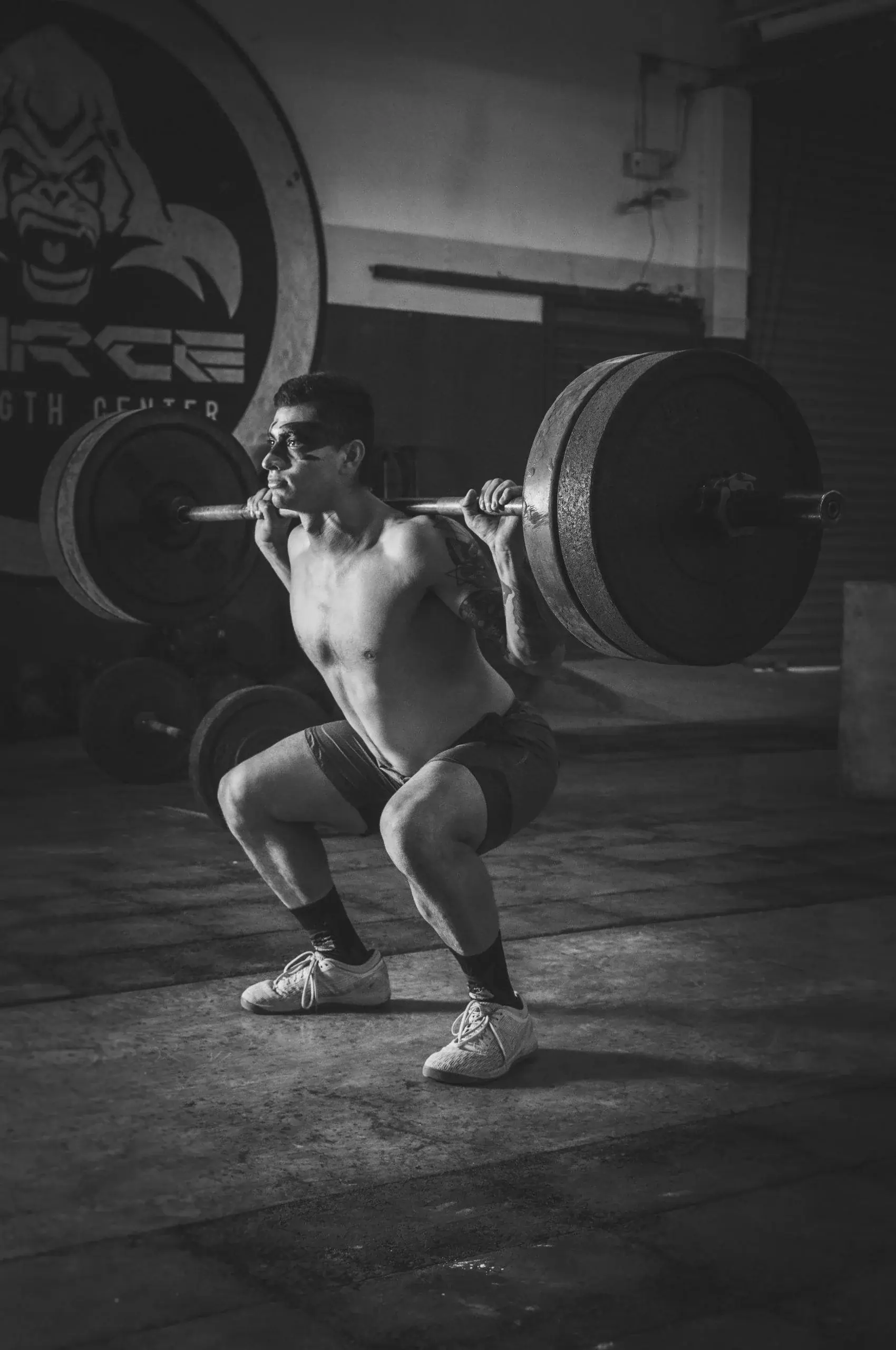
Muscle building is the single most requested outcome in commercial gyms, and it quietly dictates how most equipment budgets are spent. Whether you run a franchised club, a hotel fitness suite, a municipal sports hall, a university facility or a rehabilitation centre, the people walking through your door want to get stronger and to see the result. This guide explains how hypertrophy actually works, what it demands from your floor plan, and which categories of professional equipment deliver it, so that your next investment is driven by physiology rather than by fashion.
Understanding how muscle works
The human body contains three types of muscle tissue: skeletal, smooth and cardiac. Skeletal muscle, also called striated muscle, is the tissue under voluntary control and the only one your members can train directly. It is responsible for every movement on your gym floor, from walking to a maximal lift.
Muscle tissue is made up of several components, chiefly protein, water and glycogen. Protein is the material of growth and repair. Physical effort creates microscopic tears in the fibres; those tears then heal and the tissue rebuilds stronger than before. That repair cycle is the whole mechanism behind muscle gain.
Several factors influence how quickly it happens: genetics, age, body composition and diet. This is why some members gain visible muscle quickly while others have to work considerably harder for the same result. With consistent effort and a sound method, however, anyone can build muscle. For an operator, the practical consequence is simple: your equipment has to allow load to increase in small, repeatable steps for years, not for a single training block.
Nutrition: what your coaching team should be able to explain
Building muscle takes work and commitment, and nutrition carries a large share of the outcome. A balanced diet with sufficient protein, carbohydrate and healthy fat is the baseline, and your instructors will be asked about it every week.
- Calorie surplus or deficit. Gaining muscle requires eating enough. A slight surplus over daily requirements is the usual approach. Losing fat requires the opposite, a calorie deficit.
- Protein. Protein is the building block of muscle. Chicken breast, eggs and fish are common sources for meeting daily needs.
- Carbohydrate and fat. Carbohydrate supplies the energy for training. Healthy fats support hormone production and help limit inflammation.
- Hydration. Drinking enough water matters for both growth and recovery, and it keeps energy levels stable across a session.
- Supplements. Whey protein, creatine and BCAAs are the usual options, but supplement advice should always come from a qualified professional rather than from front-desk staff.
A balanced diet that meets calorie and nutrient needs is the foundation. Everything your equipment does is built on top of it.
Training: compound work, isolation work, and the kit each one needs
Strength sessions come down to challenging the body to lift heavier loads or to complete more repetitions over time. That principle splits the gym floor into two complementary zones.
Compound exercises recruit several muscle groups at once and build both strength and structure. Squats, deadlifts and bench presses are the classic examples. They need stable, heavily built racks and power cages, calibrated bars and benches, and flooring able to absorb dropped loads.
Isolation exercises target a single muscle group for maximum efficiency and local growth. Biceps curls and hamstring curls belong here. They are best served by guided strength training machines and cable stations, which let a beginner load a muscle safely without a spotter.
On frequency and duration, consistency matters, but so does recovery time between sessions. Aim for at least three sessions a week, lasting from 45 minutes to an hour each. Muscles rebuild during rest, so rest days and sufficient sleep are part of the programme rather than a break from it.
Mapping the training need to the equipment category
| Training need | Typical exercises | Equipment category |
|---|---|---|
| Heavy compound lifting | Squat, deadlift, bench press | Racks and power cages, Olympic barbells, weight benches |
| Guided strength for beginners | Chest press, leg press, lat pulldown | Selectorised machines |
| Free-weight progression under load | Converging press, seated row | Plate-loaded machines |
| Cable and functional work | Cable crossover, triceps pushdown | Cable stations |
| Group and circuit formats | Multi-station circuits | Cross-training cages |
| Floor protection in drop zones | Deadlift, clean and jerk | Weightlifting rubber tiles |
A gym that covers all six rows can serve a first-time member and a competitive lifter from the same floor plan, which is the practical definition of a well-specified strength area.
Specification: what professional use requires
Equipment installed in a commercial facility, where users train without permanent supervision, must be built for that duty. Indoor strength and cardio equipment should be certified to EN ISO 20957-1 class S, the class intended for professional use. Class I is also a professional class, defined by inclusive access rather than by a higher level of intensity, and it applies where equipment must be usable by people with reduced mobility. Consumer-grade equipment sold through retail channels has no place on a paying gym floor: the duty cycle alone will destroy it, and the liability sits with the operator.
Keeping members motivated
Staying motivated matters as much as any training or nutrition plan, and for an operator it is simply another word for retention. Realistic goals are the starting point. Nobody turns into a different person overnight, but anyone can aim to lift a little heavier, run a little faster, or beat yesterday. Encourage members to track progress and to mark the small wins along the way.
A training partner often supplies the push that is missing, and it makes the session more enjoyable. Varying the routine and trying new formats keeps interest alive. Listening to the body, taking proper rest days and avoiding overtraining prevents burnout, which is the most common reason a promising member disappears in month three. Building muscle takes time, effort and a good deal of patience.
Different member profiles, one gym floor
Everyone arrives with different circumstances, and a well-equipped facility has to accommodate all of them.
Beginners should start slowly and focus on correct form, increasing weight and intensity gradually over time. Progress can feel slow at first, which is exactly why guided machines and small load increments matter so much in this phase.
Women build muscle just as men do. The idea that lifting weights makes a woman bulky is a misconception worth correcting at induction. Strength training produces a toned, strong physique and can improve bone density.
Time-poor members struggle to find a slot at all, but shorter high-intensity sessions still deliver results. Prioritising compound exercises that work several muscle groups at once is the most efficient use of a short visit, which argues for keeping racks and multi-station equipment easy to reach rather than tucked in a corner.
Frequently asked questions
How often should a member train to build muscle?
At least three sessions per week, each lasting from 45 minutes to an hour, with rest days in between so the tissue can repair.
Do women need different strength equipment?
No. The same machines, racks and free weights apply. What helps is a range of small load increments, so that progression stays smooth for every starting level.
Can consumer-grade equipment be used in a commercial gym?
No. Equipment for unsupervised commercial use should be certified to EN ISO 20957-1 class S. Consumer-grade machines are not designed for the number of hours a club floor imposes.
Should staff give supplement advice?
Supplement questions belong with a qualified professional. Instructors can explain training and general nutrition principles, and refer anything more specific onward.
Equipping a strength area that delivers
Strength training does far more than change how a member looks. It raises metabolism, improves general health, and reduces the long-term risk of injury and chronic disease, which is exactly the promise that keeps a membership alive year after year. Delivering it on your floor means compound and isolation work side by side, equipment rated for professional duty, and enough progression steps to keep every profile moving forward.
Light In Fitness has been supplying professional fitness equipment to clubs, hotels, local authorities, schools, clubs and rehabilitation centres since 2013. Tell us the surface area you have and the membership you serve, and we will build the strength area around it: request a quote.