How to Rebuild Muscle Tone: A Complete Guide to Strengthening the Body
Rebuilding muscle tone is one of the most common reasons people walk through the door of a gym, a rehabilitation centre or a corporate wellness suite. It matters for general wellbeing, for energy levels and for posture. Whether tone has been lost through a sedentary lifestyle, an injury or a long period of inactivity, the route back is the same: appropriate physical activity, balanced nutrition, proper hydration and real recovery. For an operator, understanding that route is what determines which equipment actually gets used by this audience, and how the offer should be structured.
Why muscle tone matters
Muscle tone refers to the slight contraction of the muscles at rest, which maintains correct posture and supports the joints. It plays a key role in health and physical wellbeing, influencing:
- Physical endurance: toned muscles allow daily tasks to be completed with less fatigue.
- Posture and balance: good muscle tone helps maintain an upright posture, reducing the risk of back pain.
- Injury prevention: strong, toned muscles protect the joints and reduce the risk of injury during movement.
- Metabolism: developed muscle mass encourages fat burning, which contributes to weight management.
What causes muscle tone to be lost
Several factors can lead to a loss of muscle tone, and recognising them helps a coach or facility manager place a new member on the right pathway:
- Prolonged inactivity: a lack of regular movement weakens the muscles.
- Ageing: muscle mass naturally decreases with age.
- Inadequate nutrition: a diet low in protein can slow muscle rebuilding.
- Injury or immobilisation: injuries often require rest, which reduces physical activity.
- Stress and fatigue: high stress levels and chronic fatigue impair muscle recovery.
How to rebuild muscle tone: what actually works
1. Return to appropriate physical activity
One of the best ways to rebuild muscle tone is to introduce, progressively, an exercise routine matched to current ability. A facility that offers a clear entry pathway, rather than dropping a deconditioned user onto a busy free-weight floor, keeps that user.
Resistance training
Resistance exercises stimulate muscle rebuilding effectively. Free weights, resistance bands or body weight can all be used (press-ups, squats, planks).
- Squats and lunges: these movements load the leg and glute muscles intensively.
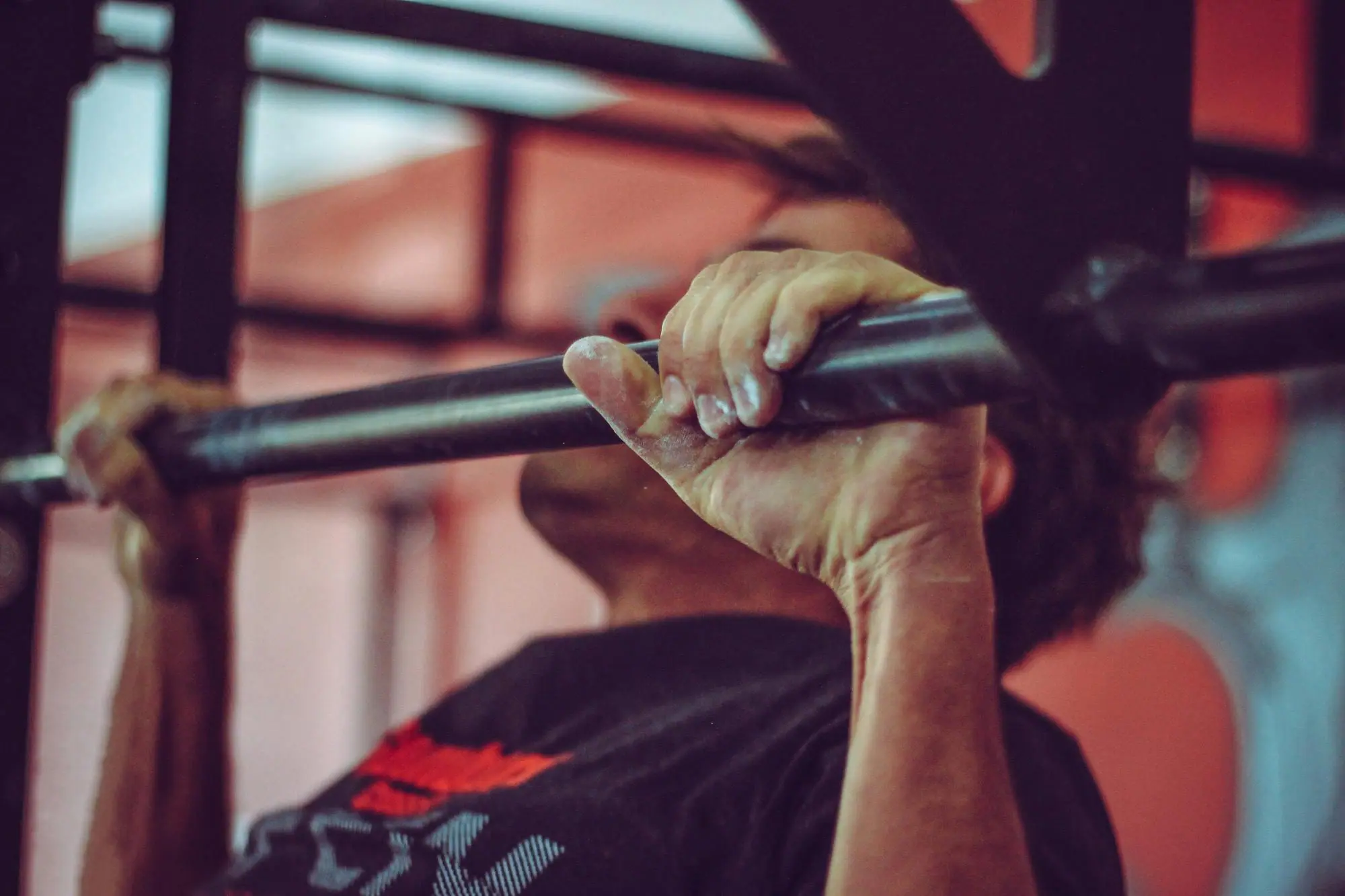
- Press-ups and pull-ups: ideal for strengthening the upper body, particularly the chest, arms and back.
- Core work: training the abdominal girdle is essential for restoring good overall muscle tone.
Cardiovascular training
Cardio work helps improve muscular endurance and respiratory capacity. Activities such as brisk walking, cycling or swimming, combined with strength work, optimise tone.
2. Adopt a balanced diet
A diet rich in protein is crucial for rebuilding muscle fibres. Protein supplies the amino acids needed to repair and strengthen muscles after exercise. Useful sources include:
- Lean meats (chicken, turkey)
- Fish (salmon, tuna)
- Eggs
- Pulses (lentils, chickpeas)
- Dairy products (fromage frais, yoghurt)
Complex carbohydrates (quinoa, brown rice) should also be included to supply energy during sessions, along with healthy fats (avocado, nuts) to support muscle recovery.
3. Hydrate properly
Water is essential for the muscles: it keeps them hydrated and helps prevent cramp. Good hydration also supports recovery after exercise. The recommendation is to drink at least 1.5 to 2 litres of water per day, and more when physical activity is intense.
4. Respect rest and recovery
Rest is an essential component of rebuilding muscle tone. Muscles repair and strengthen during recovery periods. Sleep well (7 to 9 hours a night) and allow the muscles to rest between training sessions.
Specific exercises for rebuilding muscle tone
Some exercises are particularly effective for improving whole-body tone. This is a targeted list to include in a routine:
- Arms: biceps curls, triceps extensions
- Back: pull-ups, dumbbell rows
- Abdominals: crunches, planks
- Legs: squats, deadlifts
- Glutes: lunges, glute bridges
These exercises can be performed two to three times per week, alternating muscle groups to avoid fatigue.
The equipment that supports this audience
Users returning to training after inactivity need guided load before they need free weights: machines that fix the movement path, adjustable resistance in small increments, and cardio equipment with a low entry threshold. Specify equipment built to EN ISO 20957-1 class S, the class intended for supervised environments, so that the same station serves a deconditioned beginner in the morning and a regular member in the evening.
Light In Fitness supplies the full range: professional strength training machines for guided resistance work, cardio equipment for endurance, and fitness accessories for body-weight and small-equipment circuits.
Frequently asked questions
How should a programme for rebuilding muscle tone start?
Start with simple strength exercises (squats, press-ups) and increase the intensity progressively as the muscles get stronger.
What role does nutrition play in muscle tone?
A diet rich in protein is essential for muscle rebuilding, and carbohydrates supply the energy needed to sustain physical effort.
How long does it take to rebuild muscle tone?
It depends on the starting point, but with a regular routine, noticeable improvements can be seen in 4 to 6 weeks.
How often should this kind of training be programmed?
Two to three sessions per week, alternating muscle groups to avoid fatigue, with adequate sleep and rest between sessions.
Conclusion
Rebuilding muscle tone is not only a question of appearance: it is a pillar of good health. Regular physical activity, balanced nutrition, proper hydration and genuine rest together produce significant improvements quickly. For a facility, the same four pillars translate into a clear pathway, the right guided-load machines, accessible cardio and staff who know how to progress a returning user.
Light In Fitness has equipped gyms, clubs, hotels, local authorities, schools and rehabilitation centres with professional fitness equipment since 2013. Tell us the profile of your users and the surface available, and we will build the specification with you: request a quote.