Leg Training Machines: A Complete Guide for Gym Operators
Quatre machines couvrent le travail des jambes : la presse, le hack squat, le leg extension et le leg curl. Les deux premières chargent l'ensemble du membre inférieur, les deux suivantes isolent quadriceps et ischio-jambiers. L'équilibre entre quadriceps et ischio-jambiers conditionne la santé du genou.
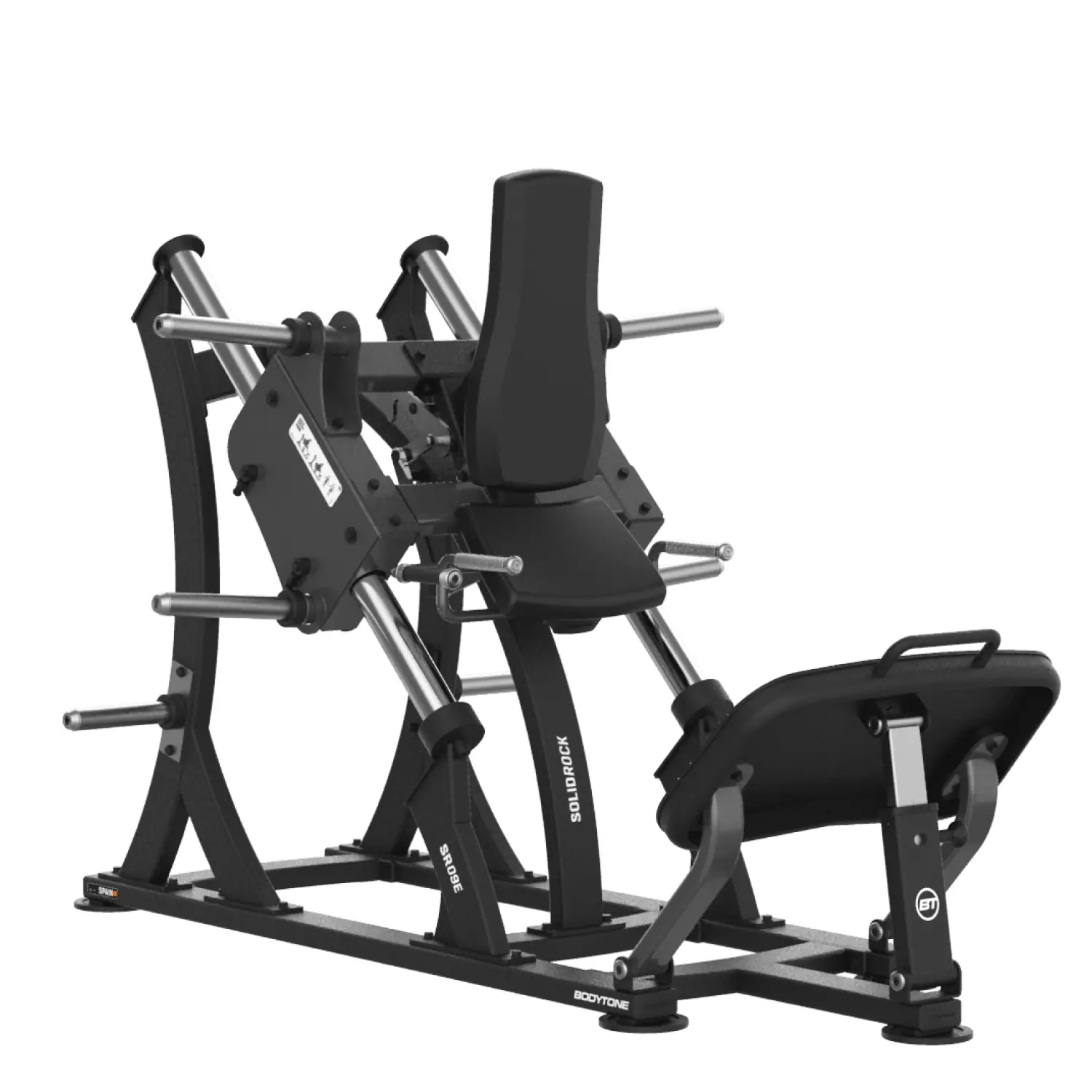
Leg machines are the backbone of any strength offer aimed at building and toning the lower body. Whether the user is an experienced athlete or a complete beginner, there is a wide range of equipment designed specifically to load the muscles of the legs. This guide goes through the machine types available, what each one is good for, and how to get the best out of them, from the point of view of an operator specifying a floor rather than a shopper buying one item.
The main leg muscles
Before looking at specific machines it helps to be clear about which muscles they develop. The main groups are the quadriceps, the glutes, the hamstrings and the calves.
Each of these can be loaded by different machines, allowing varied exercises that keep training from becoming monotonous and maximise results. The adductors, often neglected, also play an important role and should not be left out of the equipment plan.
Quadriceps
The quadriceps sit at the front of the thigh and are mainly responsible for knee extension. They are recruited in movements such as squats and leg extensions.
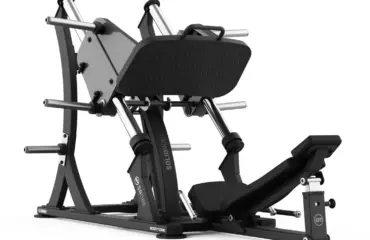
The leg press is one of the most widely used machines for this group, thanks to its controlled movement path and its ability to handle heavy loads safely.
Hamstrings
The hamstrings, at the back of the thigh, are essential for knee flexion and hip extension. Developing them properly is what prevents muscular imbalance and injury.
The machine leg curl is an excellent option for isolating and strengthening this group specifically.
The essential machines for leg training
Machines do not only deliver results efficiently, they also reduce injury risk, which matters a great deal on a floor used by members of very different abilities. Here are the most popular and most useful ones.
The leg press
The leg press is probably the most popular machine on any floor for working the thighs and glutes. It allows heavy loading in a seated position, which reduces the demand placed on the lower back.
It also offers several foot positions, so different parts of the leg can be targeted depending on the goal. Formats vary, and a vertical leg press is often the answer where floor space is tight.
The leg extension machine
The machine leg extension is ideal for isolating the quadriceps. Seated and lifting the load with the legs, the injury risk is lower than with free squats.
The exercise is particularly useful after compound movements, to finish off the quadriceps.
- Adjust the seat correctly so that posture stays sound.
- Never lock the knees out completely at the top of the movement.
The leg curl machine
For the hamstrings, nothing beats the leg curl. The machine isolates the back of the thigh precisely. Several variants exist, lying and seated, each with its own advantages.
Slow, controlled sets maximise muscular engagement and reduce injury risk.
Additional equipment to round out a leg session
Beyond the main machines, other equipment complements a leg programme effectively and adds variety of stimulus.
The stair climber
The stair climber gives cardiovascular work while loading the thighs and calves intensely. This kind of training improves endurance and burns calories at the same time.
It is very useful as a warm-up before a heavy session of presses or extensions. See the stair climber range for commercial specifications.
The rowing machine
Although mainly associated with upper-body work, the rowing machine recruits the legs heavily. The glutes and quadriceps in particular do a great deal of work in the drive phase.
It is an excellent tool for combining strength work and cardio in one station, which is why professional rowing machines earn their place even on a strength-led floor.
The stationary bike
The stationary bike is another effective way to strengthen the legs while improving general fitness. Varying resistance simulates climbs for more intense efforts.
Ideal for finishing a leg session with a cardio element.
Specifying a leg zone for a commercial floor
Choosing the individual machines is only half the exercise. A leg zone works when the sequence works: a warm-up station, a heavy compound station with enough clear space around it, then the isolation machines, then somewhere to stretch. Every machine installed in a facility open to third parties has to be built and certified to EN ISO 20957-1 class S, the studio class, and the declaration of conformity should be in your hands before delivery rather than after. Guided selectorised machines suit mixed memberships and unstaffed hours; plate-loaded stations suit a strength-led club with instructors on the floor.
FAQ: leg machines, what you need to know
Which machine is most effective for the glutes?
The leg press is extremely effective for the glutes, especially with the feet placed high on the platform, which maximises activation of the gluteal muscles. A Smith machine is also excellent for Bulgarian split squats and deep squats.
How do you avoid injuries on leg machines?
Always warm up properly before a session. Adjust the machine to the individual so posture stays correct. And start with light loads to master the movement before increasing.
- dynamic warm-up;
- correct machine adjustment;
- gradual load progression.
Are machines necessary if members already squat?
Squats are excellent for the legs, but machines bring additional benefits. They load muscles in isolation and safely, which matters for beginners and for anyone with a specific limitation or injury. Combining squats with machines gives training a useful diversity.
Plan your leg zone with us
Send us your floor plan, the profile of your members and the space you can allocate to lower-body training, and we will come back with a machine list, a layout and a costed schedule. Request a quote to get started.
À lire aussi sur le même thème
- Self-Lubricating Treadmills: What They Change for a Commercial Gym
- Où Trouver des Fournisseurs de Sols en Caoutchouc en France ?
- Les meilleurs exercices pour augmenter sa force musculaire
- Quels sont les meilleurs exercices pour améliorer la vitesse et l’agilité ? Un entraînement méconnu fait toute la différence !