How to Choose Strength Training Machines for Your Facility
Choosing strength training machines for a professional facility is not the same exercise as buying a machine for yourself. You are specifying a fleet that has to cover every muscle group, suit every ability level on your membership list, survive continuous daily use and still be safe when nobody is supervising the floor. This guide sets out the criteria that actually decide the specification.
Start with the muscle groups you have to cover
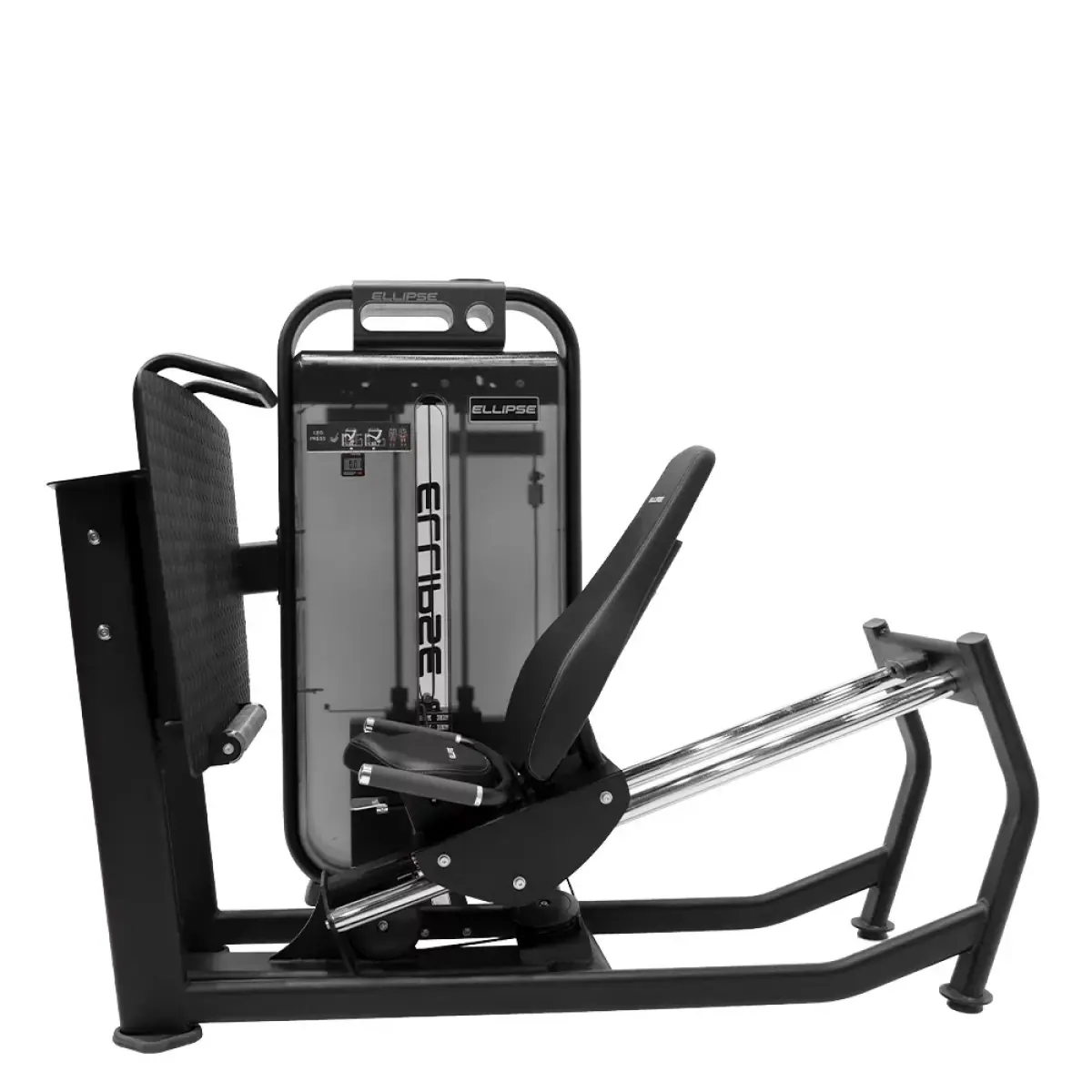
The first question is not which brand, it is which movements your circuit must offer. A complete strength floor covers pushing, pulling, hip extension, knee extension and flexion, and trunk work. Free weights and adjustable benches handle the trunk and the classic barbell movements. Guided-motion selectorised machines handle the chest, glutes and thighs far more reliably, because the path of the movement is fixed and a beginner cannot lose control of the load.
Map the movements first, then count the stations. A facility that has four chest machines and no hip extension station has a fleet, not a circuit.
Match the fleet to your membership, not to an average
For beginners, specify equipment that is simple and immediately readable: adjustable benches, bodyweight stations, resistance bands and selectorised machines with a clear pictogram and a low starting load. For experienced members, multi-station gyms and plate-loaded equipment give the range and the loading they expect.
Most commercial facilities need both, and the ratio between them is the decision that determines whether your floor is busy or half empty at peak time. If you are also programming cross-training, functional classes or cardio circuits, plan how those zones share circulation space with the strength area before you place a single machine.
Adjustability is a commercial specification, not a detail
Adjustable incline and adjustable seat height are what let one machine serve a member of 1.55 m and a member of 1.95 m without either of them training in a bad position. Every adjustment point you skip at purchase becomes a station that part of your membership quietly stops using. Check the number of adjustment positions, whether they can be changed under load, and whether they can be operated one-handed from the seated position.
Build quality and the standard that applies
Indoor equipment installed in a facility open to the public must be built to EN ISO 20957-1 class S, the professional class. That class covers frame construction, guard design, cable and pulley specification, and the loads the machine must withstand in continuous supervised use. Class I is a separate professional class covering inclusive access for users with reduced mobility; it is not a higher intensity tier above class S.
Brand matters mainly as a proxy for after-sales support and spare-part availability over ten years. Names such as Light In Fitness, Lexco, Ziva and Bodytone are specified in commercial facilities for their frame robustness and reliability, but always confirm spare-part lead times and warranty terms for your own market before you sign.
Isolation, joint safety and injury risk
The best machines for a supervised commercial floor are those that let each muscle group be worked in isolation and under control. Controlled, guided movement is what keeps joint pain and injury risk down among members who train without a coach beside them, and it is also what keeps your incident log short. That is the practical argument for a selectorised core to the circuit, with free weights added around it rather than instead of it.
Frequently asked questions
How many strength stations should a commercial gym have?
There is no universal number. It depends on floor area, opening hours, peak occupancy and membership profile. Send us the plan and the expected attendance and we will size the circuit against your figures.
Selectorised or plate-loaded?
Selectorised machines change load faster and suit mixed-ability floors and rehabilitation users. Plate-loaded machines suit strength-focused facilities and give a different resistance feel. Most circuits use both.
What standard should I ask for in a tender?
EN ISO 20957-1 class S for indoor equipment. Ask the supplier for the declaration covering the exact model reference, not the range as a whole.
Can one machine cover several muscle groups?
Multi-station gyms do exactly that and are the right answer where floor area is the binding constraint. On a large floor, dedicated stations move members through the circuit faster at peak time.
Specify your circuit with us
Browse the Gold Line selectorised range, the professional weight benches and the multi-station gyms to see what the movement map looks like in hardware. Then send us your floor plan, your opening hours and your membership profile, and we will return a costed circuit rather than a price list. Request a quote.