Boutique Fitness Studios: The Trend and How to Equip One
In short: boutique fitness studios, built around Lagree, Pilates reformer work and small-group training, have been growing worldwide at an estimated 15 to 25 percent a year since 2020. They run on small classes of six to fifteen participants, specialist high-end equipment such as the reformer and the Megaformer, and a premium atmosphere. For an operator, that is a very different equipment brief from a conventional gym, and this article sets out what it looks like in practice.
Why the boutique studio model is expanding
In a market where wellbeing and physical condition have moved to the centre of how people spend, dedicated studios keep multiplying and keep evolving. The growth is not driven by one thing. It comes from innovation in the training formats on offer and from the intimate, welcoming atmosphere these places create, which is precisely what a large multi-purpose gym cannot reproduce.
Commercially, the model works because a small group with an instructor commands a per-session price that a self-service floor never will. Members are paying for correction, progression and a room that feels like it was designed for them, not for machine access.
Small groups are the product
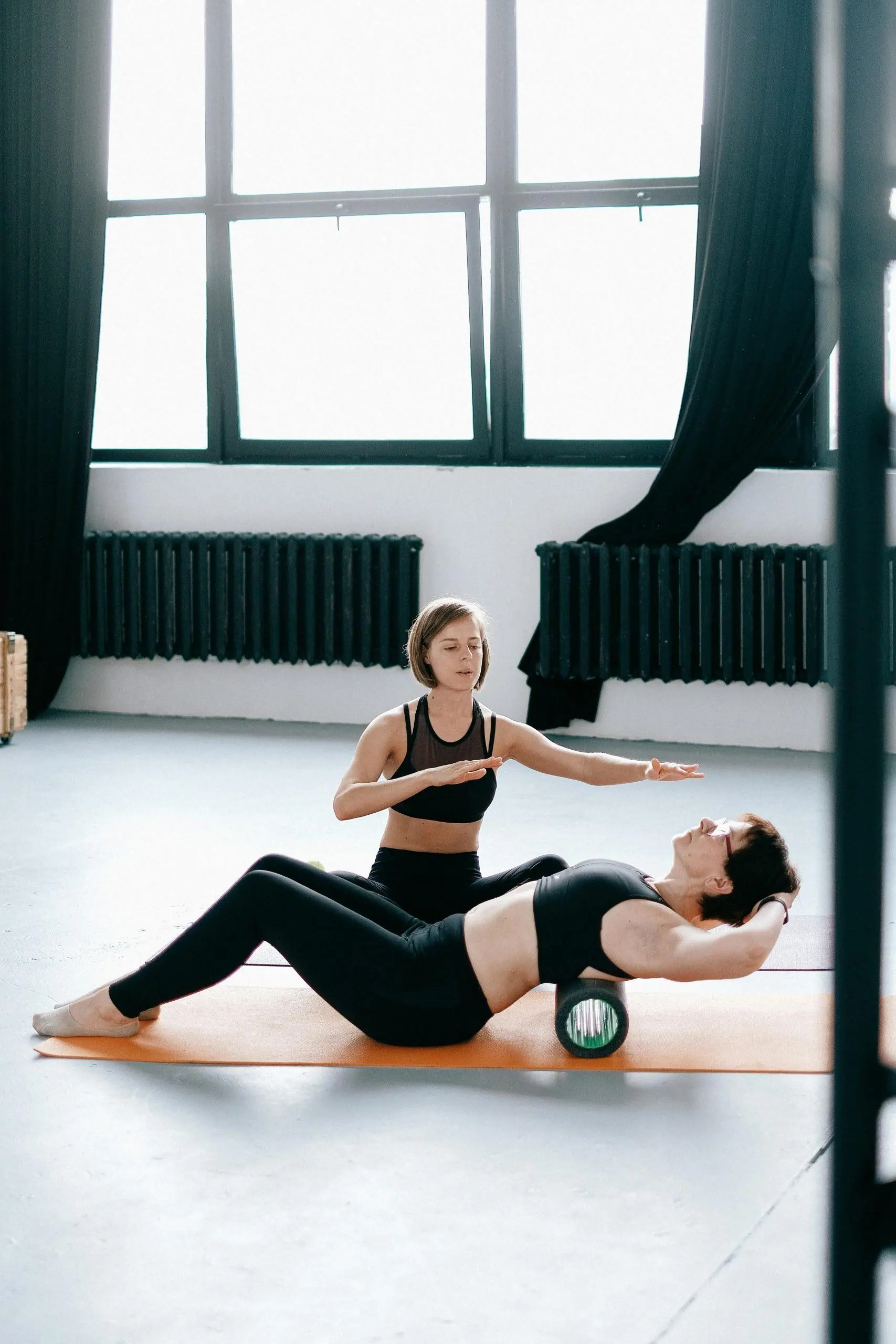
Classes capped at eight or nine participants guarantee individual attention and a supportive atmosphere. Those two things are what attract members who want both performance and a sense of belonging, and they are the reason retention in a well-run studio is higher than in a volume gym.
For the operator this has a direct consequence: the room is sized around the class, not around the number of machines you can fit. Circulation, sight lines to the instructor and space to demonstrate matter more than density.
An environment that does the motivating
New-generation studios treat every detail as part of the offer. Planting, natural light and a clear contrast with the noise of the street turn the space into a break from the day rather than another errand. That calm setting, combined with the quality of the coaching, is what makes members come back regularly and treat training as a pleasure rather than an obligation.
Introductory formats matter too. A low-commitment discovery package that lets a newcomer try several classes over a month converts far better than a direct annual contract, because the product is the class experience and it has to be felt.
The formats you will be asked to equip
Pilates reformer
The reformer is the backbone of most studio timetables. It suits rehabilitation, mobility and large-amplitude movement, and it works for a very wide range of ages and abilities, which is what makes it commercially durable. Reformers are also the single largest line in a studio equipment budget, so the specification matters: frame stability, spring calibration, carriage smoothness and the ease of cleaning between classes. Our Pilates reformer machines are specified for continuous studio use.
The Lagree method
The Lagree method, developed by Sebastien Lagree, targets strength, endurance and stability through training on a specific machine, the Megaformer. The system works the deep and the superficial musculature intensively, with a controlled range of movement smoothed by mechanical resistance. Sessions typically run forty to fifty minutes. The method is known for fast, durable results and is popular with performers and professional athletes.
Reformer and Lagree are complementary rather than competing. Reformer work leans towards rehabilitation, mobility and wide movement; Lagree leans towards intensity, strength endurance and calorie burn. Studios that run both fill more of the week with the same floor area.
Small-group circuit and mixed timetables
Many studios build the rest of the timetable around circuit training, mat-based conditioning and group toning classes. This is where a multi-disciplinary approach pays: a varied programme lets each member find the format that suits them while keeping professional, motivating supervision, and it answers a customer base that is increasingly demanding about variety.
Equipping the room
| Element | Why it matters in a studio |
|---|---|
| Reformers or Megaformer-type machines | The product itself; sized by class capacity, not by floor area |
| Flooring | Acoustic performance and cleanability come before hardness rating in a studio |
| Small accessories and storage | Bands, balls, weights and mats need a home that keeps the room looking finished |
| Mirrors, lighting and sound | Part of the premium positioning, and part of correct technique |
| Changing and reception | Where the price point is justified or lost |
Two points are frequently underestimated. Acoustics is the first: a hard-surfaced room with music and an instructor voice becomes unusable, and the fix after opening is expensive. Choose an appropriate rubber flooring and treat the ceiling early. The second is turnaround: with classes back to back, equipment that cannot be reset and wiped in five minutes will quietly cap how many sessions you can sell in a day.
The economics in one paragraph
Pricing varies widely by location and by the standing of the studio, and every market sets its own level, so benchmark against studios in your own city rather than importing a figure. What is consistent is the structure: single-session rates, class packs and unlimited monthly memberships side by side, with the price reflecting exclusivity and the range of services rather than access to equipment. Model your break-even on classes sold per week and instructor cost per class, then let the equipment budget follow from the class capacity you need.
Frequently asked questions
What is a Lagree studio?
A studio specialising in the Lagree method, created by Sebastien Lagree from a Pilates background, using the Megaformer, a slow-movement high-intensity machine. Sessions typically run forty to fifty minutes.
Reformer or Lagree, which should a studio choose?
Pilates reformer for rehabilitation, mobility and wide movement; Lagree and the Megaformer for intensity, strength endurance and calorie burn. They are complementary, and many studios programme both.
What are the advantages of small groups?
Small groups let the instructor give individual attention, which improves posture correction and individual progression. They also create a friendlier, more motivating atmosphere, which keeps members engaged and regular.
How do you choose the right training format?
Start from the objective, whether that is weight management, strength or mobility, and from the preferences of the member. Trying several class formats is the most reliable way to find the fit, and an instructor consultation shortens the process.
What separates a premium studio from a standard one?
High-end equipment, machines that are often unusual or unique in the local market, and a carefully designed setting. Premium studios usually add complementary services around the class, from wellbeing retail to a social space or a cafe.
Planning a studio?
Light In Fitness supplies reformers, small-group equipment, flooring and storage for studios, clubs and hotels, and works from the floor plan and the timetable rather than from a catalogue. Browse the Pilates reformer range, then request a quote with your room dimensions and class sizes.