The Coaching Studio: Tailored Wellbeing in a Small Format
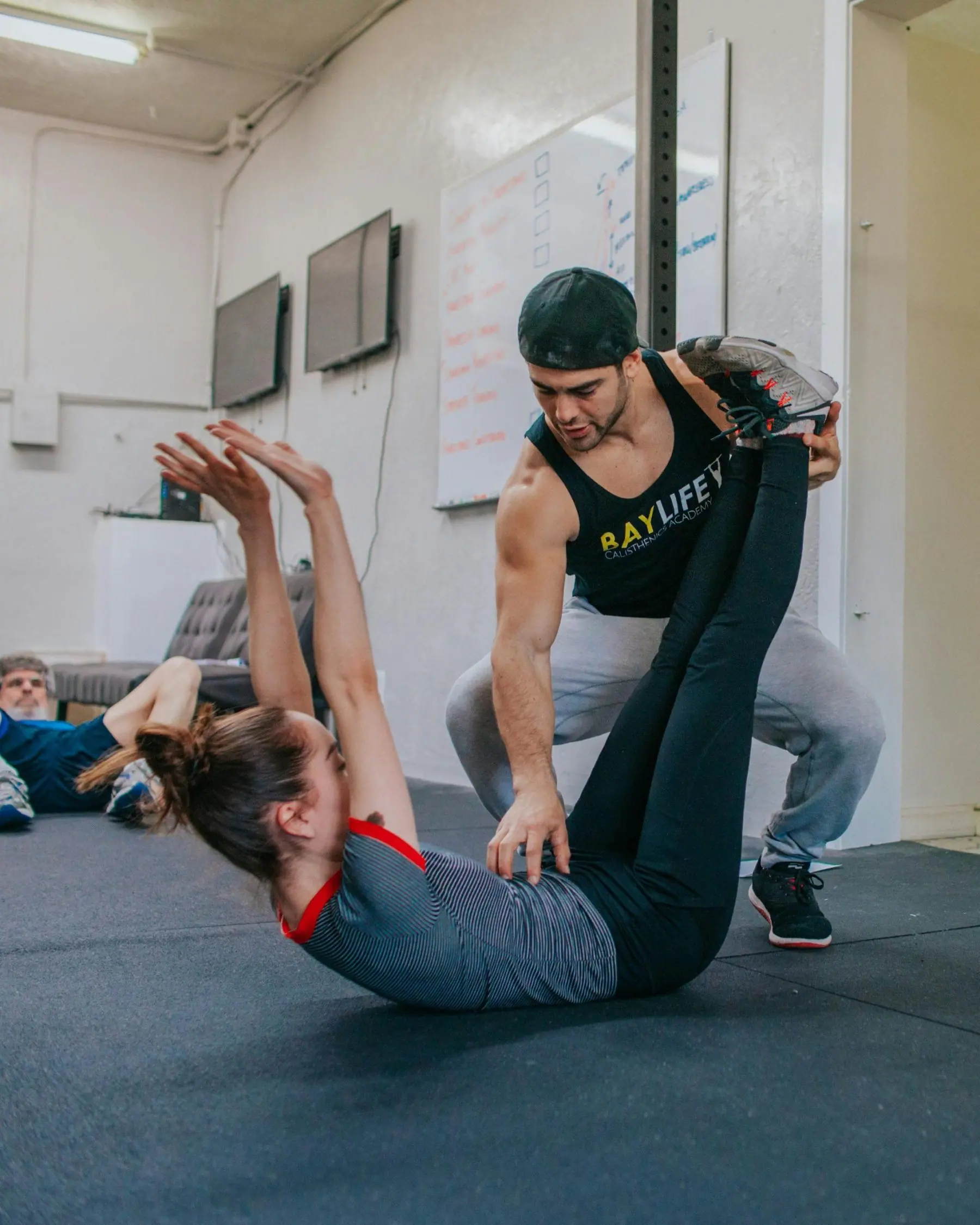
The coaching studio is quietly changing what a fitness business looks like. Instead of a large floor and a high membership count, these are small, supervised spaces built around personalised programming, small-group sessions and a broader idea of wellbeing than a conventional gym offers. For anyone considering opening one, or converting part of an existing facility, the model has a distinct economic logic and a distinct equipment list. This article sets out both.
What a coaching studio actually offers
A coaching studio sells access to a coach rather than access to equipment. Every client is assessed at the outset and given a programme built around their own objectives, and sessions range from demanding physical training through to relaxation and breathing work. Many studios add image and lifestyle consulting, nutrition guidance and personal development workshops on top of the training itself.
The typical service mix looks like this:
- Individualised training sessions
- Nutrition consultations
- Personal development workshops
- Stress management coaching
That breadth is the point. Clients come for outcomes that are physical, mental and emotional at once, and the studio is set up to address all three rather than to hand someone a card and point at a treadmill.
Why the model works
Professional supervision and real follow-up
The single most attractive feature for clients is that someone is watching. In a large conventional gym it is easy to feel left to your own devices; in a studio, every session is led by a qualified coach who tracks progress week to week. That close follow-up is what turns effort into results, and it is what clients are actually paying the premium for.
Small groups and higher motivation
Small group sizes create an atmosphere that a large floor cannot replicate. Clients find in these micro-communities the social support that sustains motivation over months rather than weeks. Sharing objectives and progress builds ties that keep people coming back, and the attention paid to each individual makes clients feel valued, which is the strongest retention mechanism a small operator has.
Equipping a coaching studio
A studio does not need a full commercial gym floor, and trying to build one is the most common way to sink the capital budget. What it needs is a small number of versatile stations that support one-to-one and small-group work in a limited area.
Pilates reformers are the backbone of many studios: they support hundreds of exercises, scale from rehabilitation to demanding conditioning, and suit the supervised one-to-one format precisely. A functional training rig covers suspension work, bodyweight progressions and small-group circuits in a single footprint. Cable stations add smooth, low-load resistance that works for beginners and for return-to-activity clients. And wellness and recovery equipment supports the relaxation and recovery side of the offer, which is what distinguishes a coaching studio from a personal training room. All of it should be rated for supervised commercial use to EN ISO 20957-1 class S: session density in a studio is high even though the client count is low.
Frequently asked questions
What types of coaching does a studio typically offer?
Personalised physical training, nutrition guidance, meditation and relaxation sessions, and personal development workshops. The precise mix depends on the qualifications of the coaching team.
How do clients choose between studios?
Mainly on four things: the qualifications and experience of the coaches, the range of services offered, the atmosphere and the equipment available, and what existing clients say. For an operator, that list doubles as a checklist for what to invest in.
What are the long-term benefits clients are buying?
| Benefit | Description |
|---|---|
| Improved physical condition | Professional supervision makes training effective and limits the risk of injury. |
| Stress management | The relaxation and meditation techniques offered help clients handle everyday stress. |
| Nutritional review | Dietary guidance supports a healthy, balanced way of eating. |
How much space does a coaching studio need?
Far less than a conventional gym, because the number of people training at any one time is small and deliberately capped. Work back from your maximum group size and the equipment each session needs, then add circulation and a changing area.
Specifying your studio
Send us the floor area, the session formats you intend to run and the maximum group size you are planning for, and we will come back with a specified equipment list and an itemised price. Request a quote and we will work through the layout with you.