Equipping a Gym for Female Members: What the Floor Really Needs
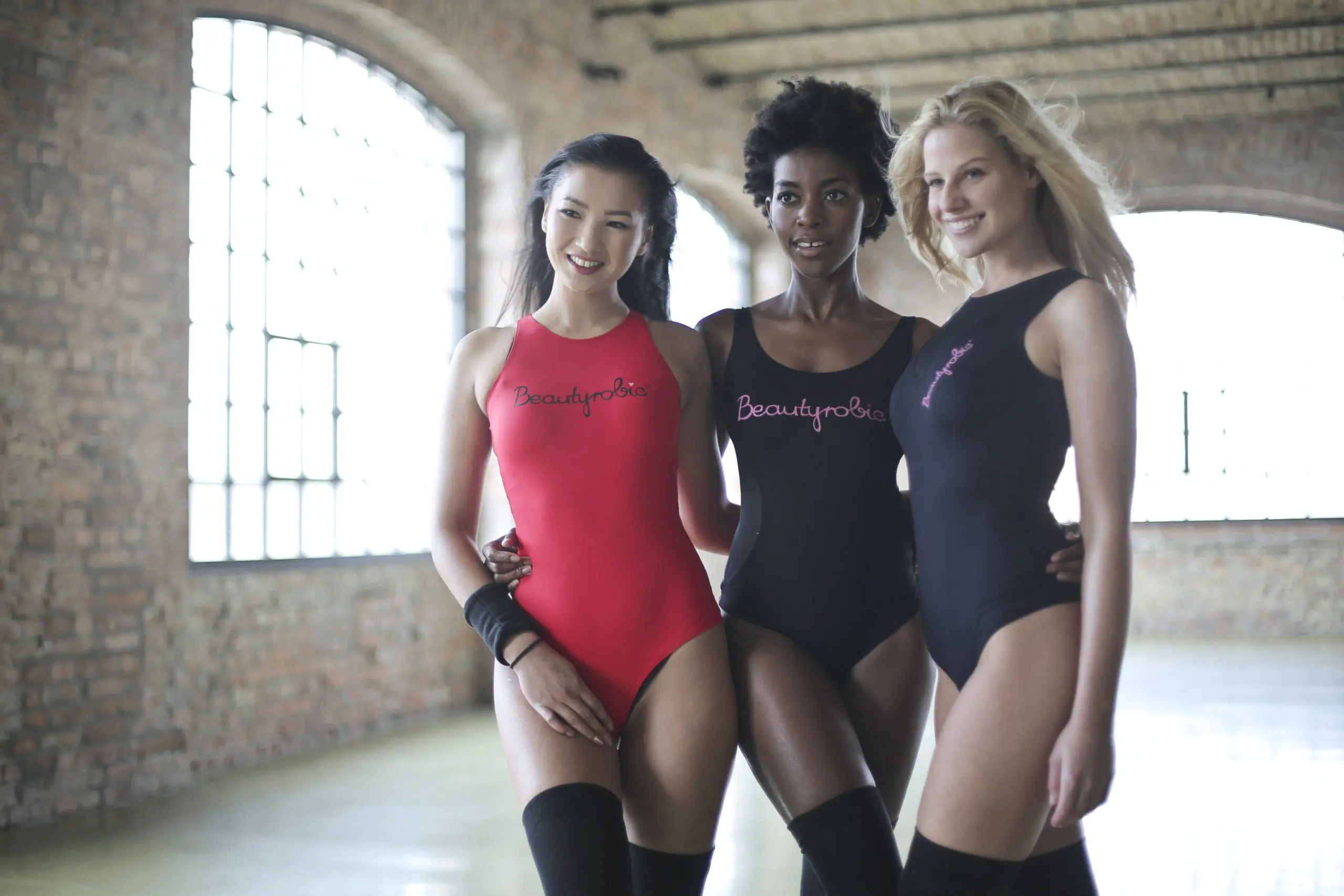
The fitness market that grew out of social media – the training routines, the progress tracking, the nutrition content, the community accounts that turned strength training into a mainstream female pursuit – has changed what members expect from a gym floor. For an operator, that shift is not a marketing question. It is a specification question: which machines, how many of them, where they sit on the floor and how the space feels at seven in the evening. This guide sets out what the segment actually trains and what it means for the equipment you buy.
Who this segment is and what it wants
The stereotype is a narrow one: a twenty-something chasing a physique. The reality on a commercial floor is much wider. Some members arrive with a body-composition goal, others want measurable strength progress, others want general conditioning, mobility or simply to climb stairs without losing their breath. What they have in common is that they train with intent, they follow a structured programme, and they track their progress – which means they notice immediately when a facility cannot support the programme they are following.
That is the operational point. A member following a written strength programme needs the same rack, the same bench and the same loading options to be available on the same day each week. A facility that cannot deliver that loses her to one that can, regardless of how good the rest of the offer is.
Strength training is now the core of the offer
The single biggest change over the past decade is that free weights and loaded machines stopped being a male-coded corner of the gym. Programmes built around squats, hip hinges, presses and rows are now mainstream across the whole membership, and the floor has to reflect that.
In practice this means more of three things: adjustable benches, racks with usable loading heights, and lower-body machines. Hip and glute work is the highest-demand movement family in this segment, and a dedicated area for it – rather than one machine wedged between the treadmills – both shortens queues and signals that the facility was designed with these members in mind. Our glute and hip training area is built around exactly that demand, and it sits naturally alongside a broader run of selectorised machines for members who are not yet confident under a barbell.
Two specification details matter more than the brand on the frame. First, loading increments: small plates and machines with fine weight steps let a member progress week by week instead of jumping in increments she cannot bridge. Second, the height and geometry of the rack, which determines whether a shorter user can unrack a bar safely without help.
Interval training and the cardio floor
Interval work – alternating hard efforts with recovery – is the dominant cardio format in this segment, and it changes how the cardio area is used. Machines are occupied in short, intense bursts rather than for a steady forty minutes, occupancy peaks are sharper, and the equipment takes a harder mechanical beating per hour of use.
The practical consequences are worth planning for. Choose cardio equipment rated for continuous commercial duty rather than for light footfall, and mix the formats: rowers, air bikes, ski ergometers and treadmills are used in circuits rather than one at a time, so a bank of a single machine type is less useful than a shorter, mixed line. Leave circulation space around the machines: interval training spills onto the floor, and members will use the space between machines whether or not you planned for it.
Mobility, yoga and Pilates
Almost every structured programme in this segment closes with mobility work, and a growing share of members book a studio class as their third or fourth session of the week. The space requirement is modest but it must be real: a defined floor area, matting, and enough separation from the free-weight zone that a class is not competing with dropped plates.
Where a facility wants to move beyond mat work, Pilates reformers convert a small studio into a second revenue line with a high retention rate. A basic accessory inventory matters too: mats, resistance bands, and a rack of kettlebells cover most of what a warm-up or a mobility finisher needs, at a fraction of the cost of another machine.
Layout, comfort and the things members judge you on
Members in this segment are unusually sensitive to floor layout, and the reasons are rational rather than cosmetic. Sightlines determine whether the strength area feels usable at peak hours. Mirror placement determines whether a member can check her own form without an audience. Circulation width determines whether she has to walk through the middle of a busy free-weight zone to reach a bench.
Two more items decide as many memberships as the equipment does: changing facilities and flooring. Rubber flooring in the loaded zones controls noise and protects the slab; a clean, well-lit changing area is the single most cited reason members give for staying or leaving. Neither is glamorous and both are worth budgeting for before the last machine on the wish list.
Programming, retention and the plateau problem
Members who track their progress hit plateaus, and a plateau is where retention is won or lost. A facility that can answer it – by varying the programme, moving the focus to another movement family, or changing the training tempo – keeps the member. One that cannot watches her cancel and blame the gym.
That answer is partly staffing and partly equipment breadth. A floor with only one way to train a movement pattern runs out of options quickly. A floor that offers a free-weight version, a machine version and a functional version of the same pattern gives a coach somewhere to go when progress stalls. Group training slots serve the same purpose: they add accountability and a social reason to come back on the days when motivation is thin.
Standards and specification
Every machine on a supervised commercial floor is designed and tested to EN ISO 20957-1 class S. Ask for the certification reference by reference, and make it a condition of the order rather than a question you raise after delivery. Where the facility also runs an outdoor area, permanent adult outdoor fitness equipment falls under EN 16630, which is a separate standard and not a substitute.
Frequently asked questions
Does a gym need a separate women-only area?
It depends on the market and on the membership you already have. Many operators get the same result from layout: an open strength area with good sightlines and generous circulation removes most of the friction a separate room is meant to solve, without splitting the floor or the equipment budget in two.
What equipment should be prioritised on a limited budget?
Adjustable benches, one or two racks, a lower-body and hip station, and a mixed cardio line. That combination supports almost every programme this segment follows. Accessories and studio equipment come next; the last machine on a wish list rarely changes retention.
How much space does a mobility or class area need?
Less than operators expect, provided it is a defined area rather than a leftover corner. What matters is that it is separated from the loaded zone and matted. We size it from your floor plan and your class timetable.
Do members in this segment need machines or free weights?
Both, and the ratio depends on how much coaching you provide. Selectorised machines let a member train safely without supervision and are what most newcomers start on; free weights are where they go once a coach has taught the movement. A floor that offers only one of the two loses members at the transition.
How does interval training change equipment wear?
It concentrates load. The same machine sees more starts, more peak efforts and fewer steady-state hours, which is why commercial-duty specification and a real service plan matter more in a facility built around circuits than in one built around steady cardio.
Specifying your floor
Serving this segment well is not about a single machine or a branded corner. It is about a floor that supports a structured programme week after week, in enough variety that a coach can keep it moving. Send us your floor plan, your membership profile and your class timetable, and we will come back with an equipment list and a layout. Request a quote to start the study.