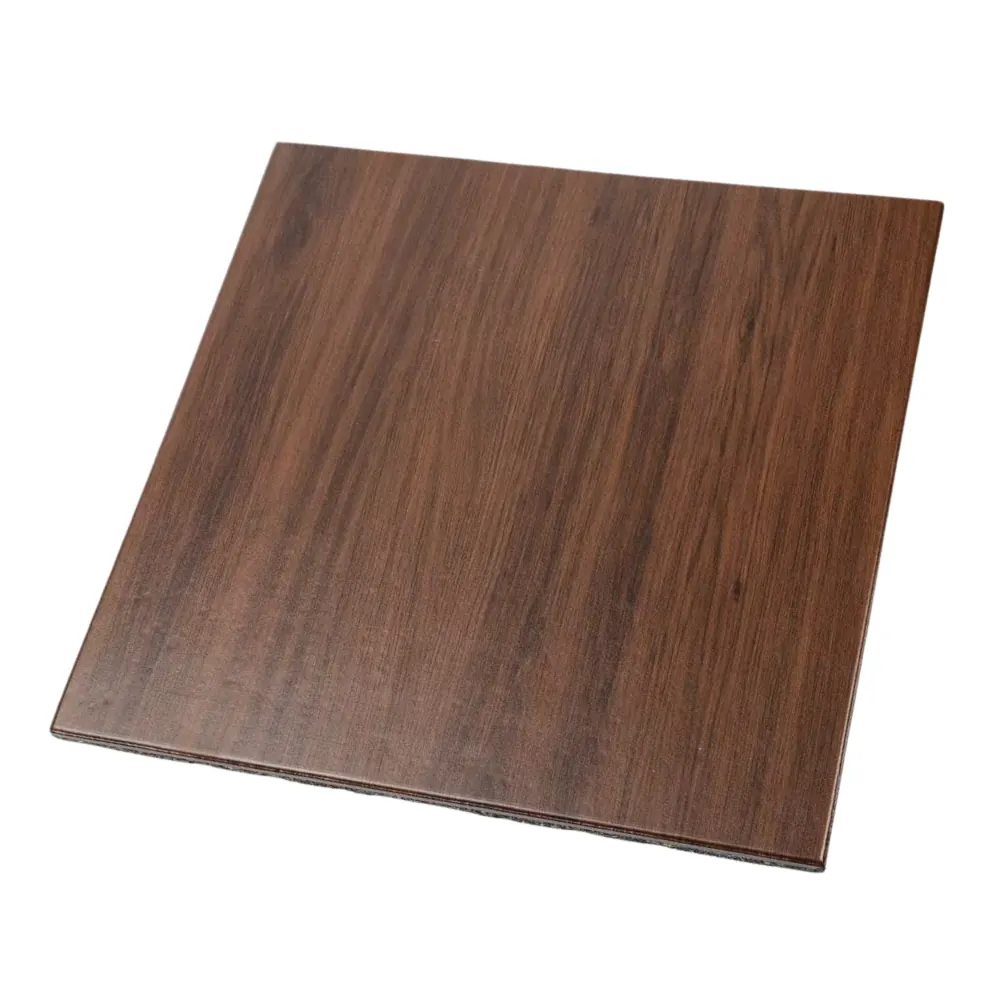
Ultra Dark Rustic Oak Rubber Tile 20 mm - 100 x 100 cm
Ultra Dark Rustic Oak Rubber Tile 20 mm - 100 x 100 cm : wood effect shock absorbing rubber tiles, marque Light In Fitness, 49,00 EUR excl. VAT. Encombrement 100 × 100 × 2 cm, masse 18 kg. Delivery and installation priced on quotation across Europe.
49.00 € excl. VAT
i.e. 58.80 € incl. VAT · VAT 20%
Shipping quoted separately The shipping cost is confirmed before you approve the order.
20 mm wood-effect rubber gym tile in ultra dark rustic oak. Cfl-s1 fire rated, glue-free interlocking installation, 49 EUR excluding VAT per m2.
Quotation = itemised pricing with delivery, installation and trade discounts, within 24 business hours. No commitment. Our commitments
Conformity: classement au feu Cfl-s1 (NF EN 13501-1:2018) établi par le LNE (Laboratoire national de métrologie et d’essais, organisme notifié n° 0071), rapport de classement P239907 du 03/04/2024 au nom de Light In Fitness, sur la dalle caoutchouc SBR recyclé 1 000 kg/m³ de 15 à 30 mm : essais NF EN ISO 11925-2 et NF EN ISO 9239-1 (flux critique 7,2 kW/m² en 30 mm, 5,2 kW/m² en 15 mm), valable en pose libre, en pose collée et sur support classé A1 ou A2-s1,d0 ; le rapport porte sur la formulation SBR de référence en finition noire, la finition imitation bois est classée Cfl-s1 par déclaration Light In Fitness sur cette base ; le rapport est consultable sur demande et joint au devis, il n’est pas diffusé en ligne.
Warranty: specified in the quotation for each reference — details of our warranties.
Description
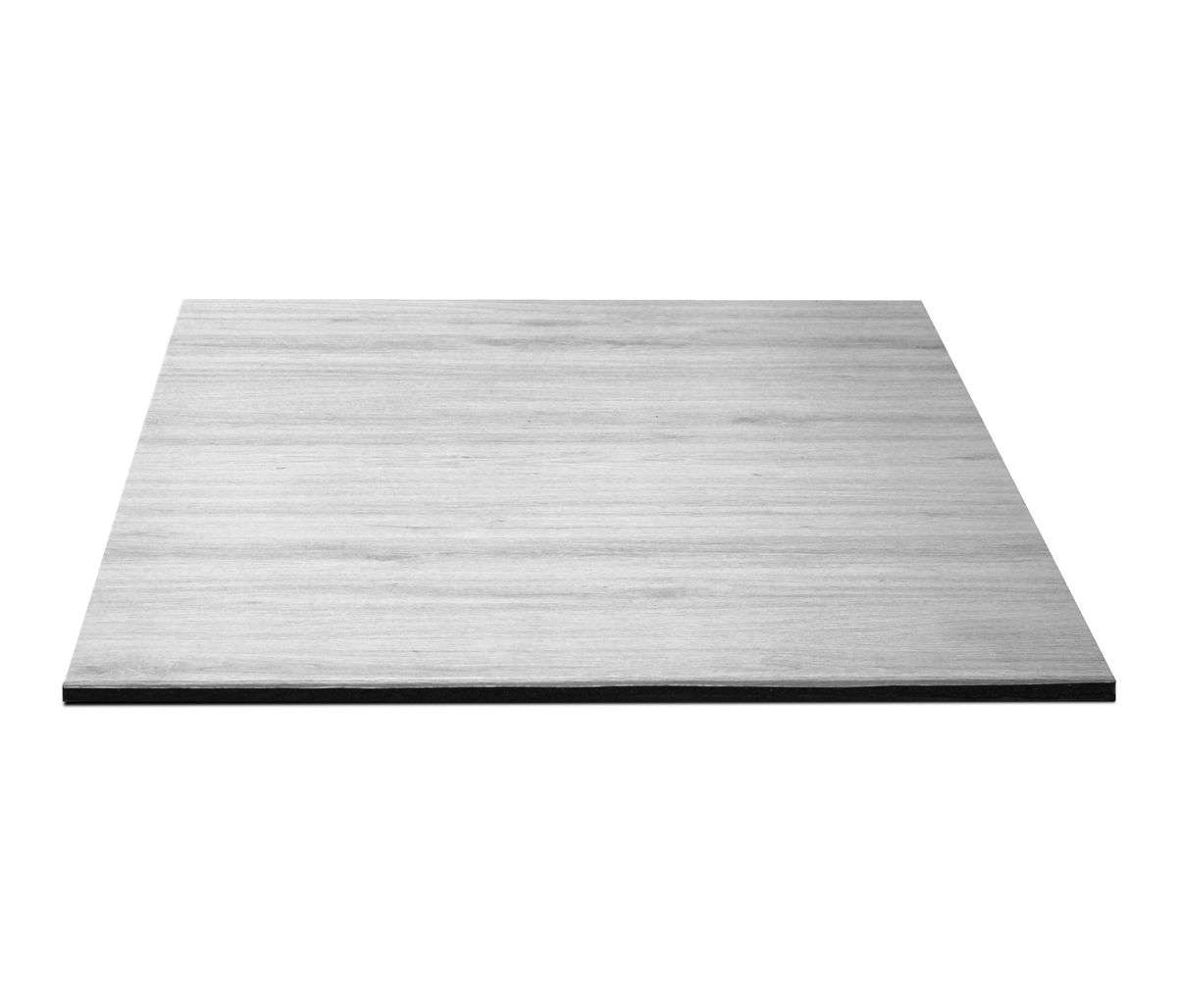
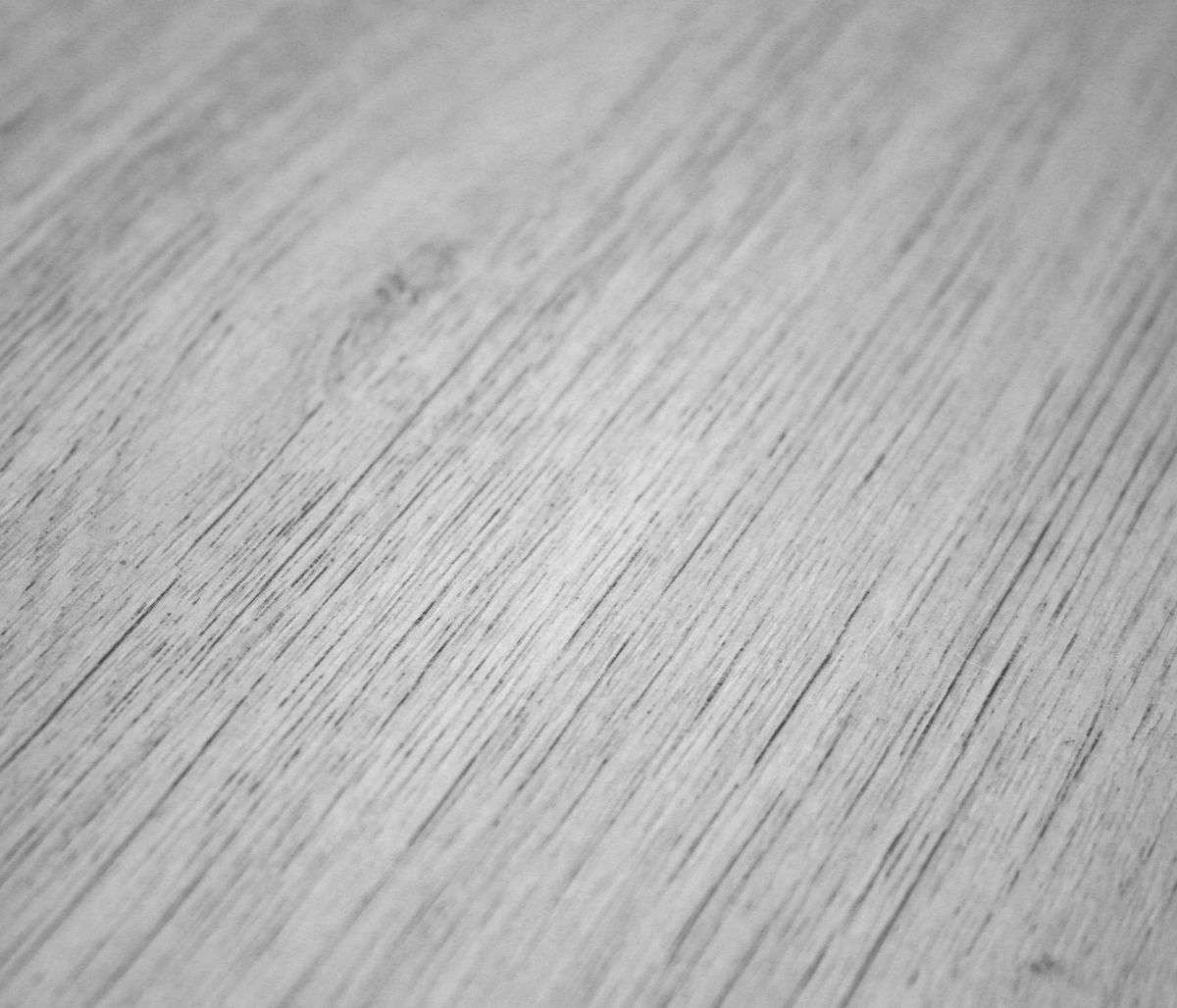
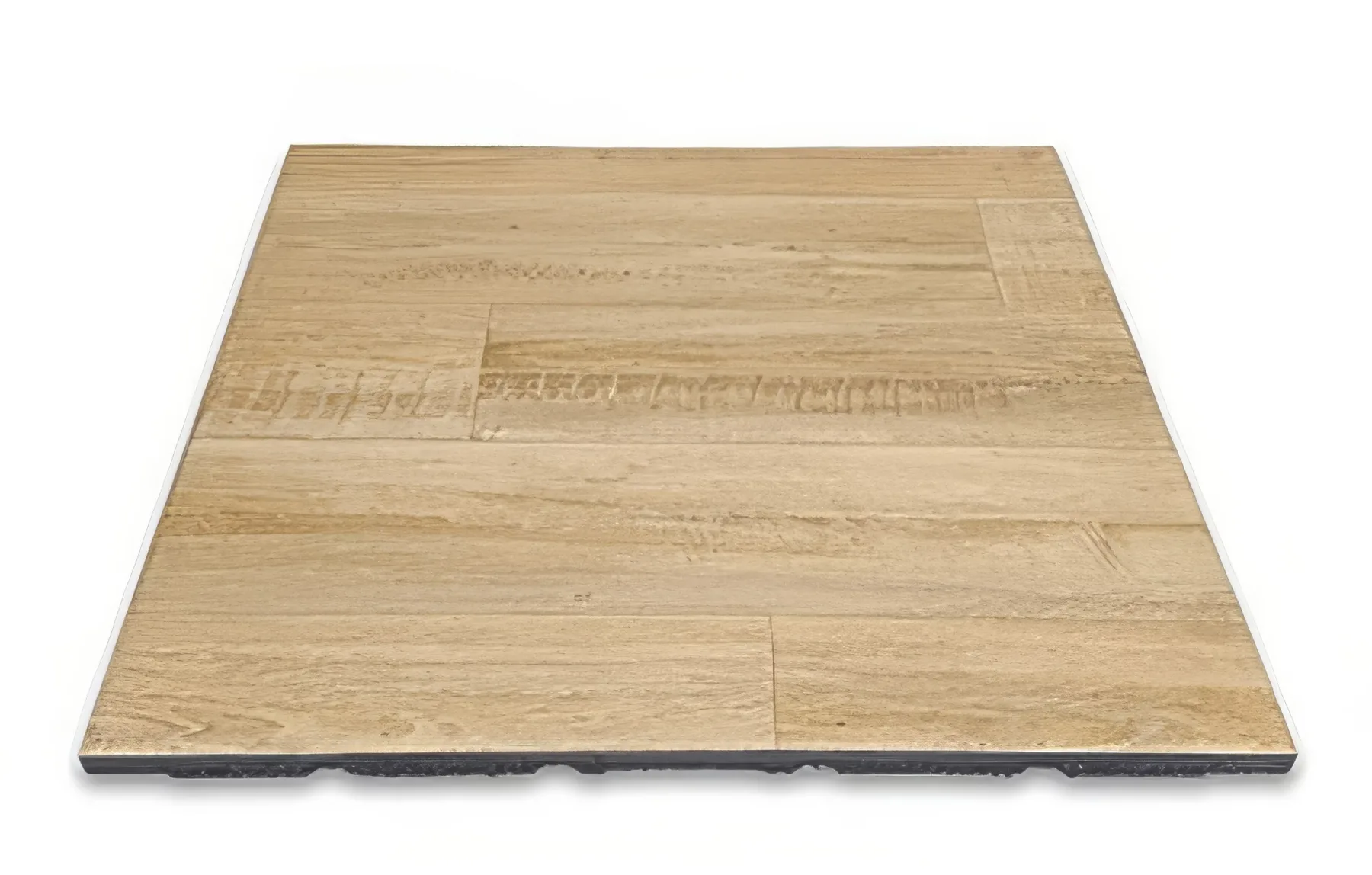
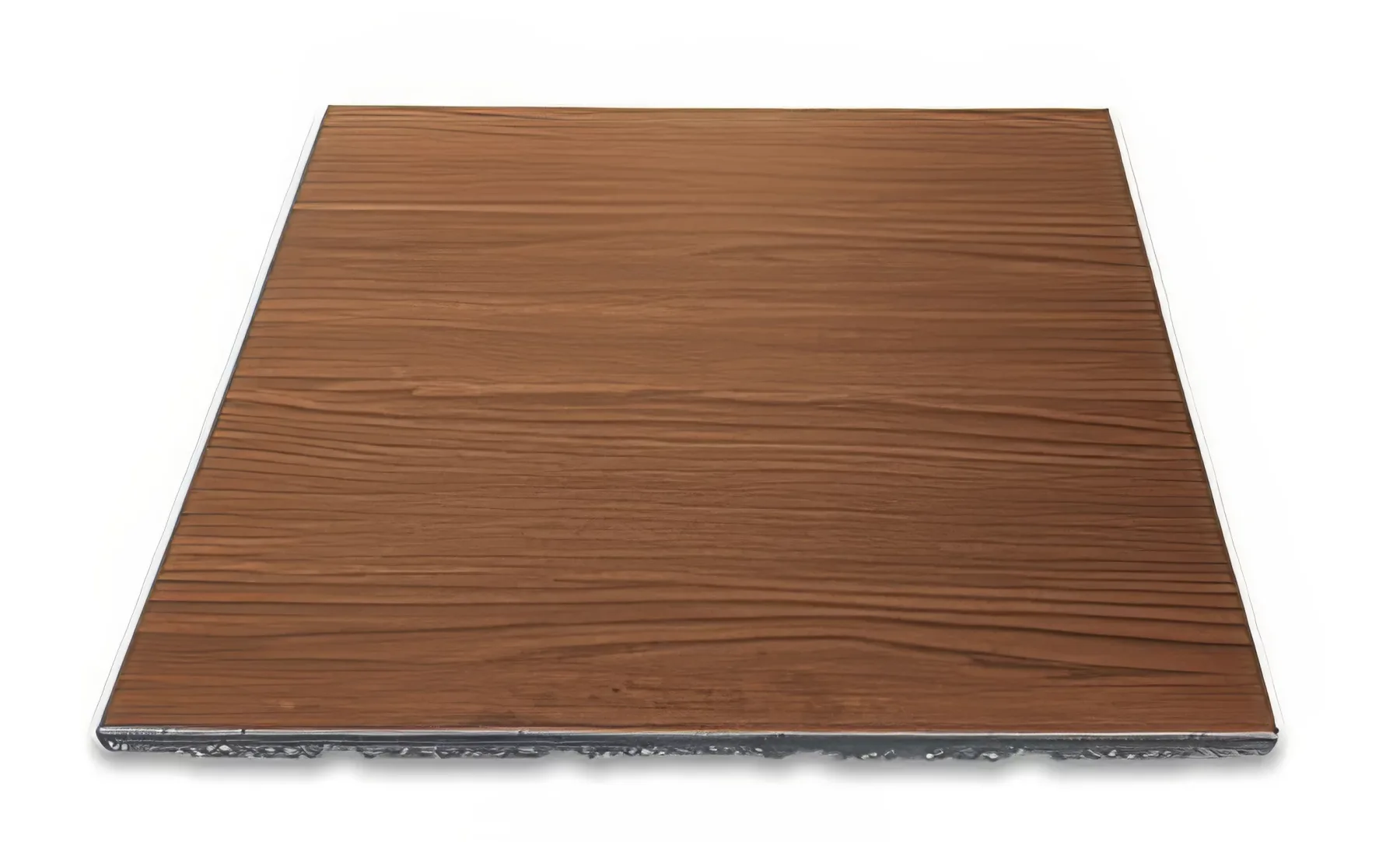
The ultra dark rustic oak is the deepest shade in our wood-effect rubber tile range: a near-wenge brown with strongly contrasted rustic grain, printed in high definition on a non-slip vinyl wear layer. Underneath sits a 20 mm shock-absorbing rubber base, so the floor reads as premium timber while performing as gym flooring.
Construction
- 0.5 mm vinyl wear layer (1,600 kg/m3) with high-definition rustic oak print, non-porous and non-slip
- Recycled SBR rubber base at 960 kg/m3 with a studded underside for under-tile ventilation and acoustic damping
- Interlocking glue-free installation with invisible joints; fully demountable and reusable
- Fire classification Cfl-s1, suitable for premises open to the public
Where it works best
Designed for spaces where the floor is part of the interior concept: boutique coaching studios, hotel fitness suites, wellness areas and high-end residential gyms. The 20 mm build absorbs the impact of dumbbells and functional work that would mark a real timber floor, and the surface wipes clean without brushing.
Specifications
| Reference | LIF-713648 |
|---|---|
| Format | 100 x 100 cm – 1 m2 per tile, 20 mm thick |
| Weight | 18 kg per tile |
| Surface | Ultra dark rustic oak print, non-slip vinyl, invisible joints |
| Base | Recycled SBR rubber, studded underside |
| Fire rating | Cfl-s1 (EN 13501-1) |
| Installation | Interlocking, glue-free, demountable |
| Warranty | 5 years against manufacturing defects |
| Price | 49 EUR excluding VAT per m2 – volume discounts on larger areas |
Shock absorption, critical fall height and floor protection
This 20 mm two-layer rubber tile sits at around 0.6 to 0.8 m critical fall height (HIC ≤ 1,000, EN 1177 method) and 20 to 30 % force reduction (EN 14904). This is the cushioning level expected for yoga, Pilates, physiotherapy, coaching and light functional training. The dense, non-porous top layer takes dumbbells and kettlebells set down on the floor without visible marks; the studded SBR base returns energy progressively and cuts vibration transfer to the subfloor (concrete, screed, timber), protecting both the existing floor and the equipment.
| Criterion | Reference value | Method |
|---|---|---|
| Critical fall height | ≈ 0.6 to 0.8 m | EN 1177 (HIC ≤ 1,000) |
| Force reduction (shock absorption) | ≈ 20 to 30 % | EN 14904 |
| Impact sound reduction | ≈ 18 to 22 dB (ΔLw) | ISO 10140-3 / ISO 717-2 |
| Density | Base 960 kg/m³ · surface 1,600 kg/m³ | – |
| Surface mass | 18 kg/m² | – |
| Top-layer hardness | ≈ 60 to 65 Shore A | – |
Indoor use only: the fall height is given as a guide for people falling in a studio (yoga, Pilates, physiotherapy, coaching), not for an outdoor playground, where EN 1177 requires a certified outdoor tile matched to the equipment fall height. These are reference values for 20 mm two-layer rubber tiles, not a test specific to this reference; a Light In Fitness declaration is available on request. For a higher certified fall height (playgrounds, heavy free-weight areas, weightlifting drops), see our 30 to 100 mm shock-absorbing tiles.
Frequently asked questions
How does it differ from the classic dark oak tile?
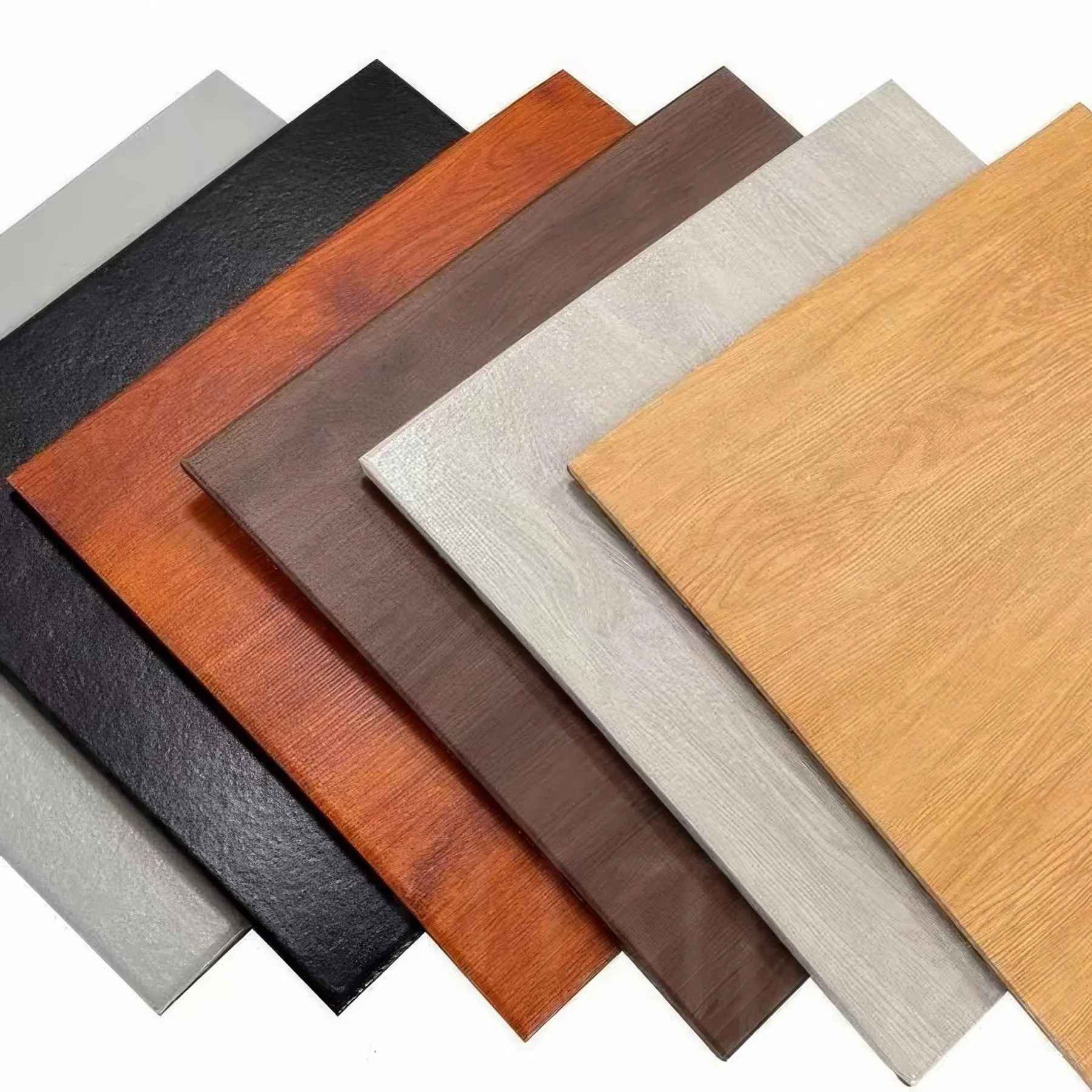
The ultra dark rustic finish is several shades deeper – close to wenge – with a far more pronounced rustic grain. Structure, thickness and fire rating are identical, so both finishes can be mixed to zone a floor plan.
Can free weights be used on it?
Yes. The 20 mm SBR base is sized for dumbbell and machine areas. For dedicated drop zones above 40 kg we recommend pairing it with a thicker sacrificial tile.
Is glue or preparation required?
No adhesive: the tiles interlock over any flat, clean subfloor and can be lifted and relaid, which suits leased premises.
Send us your floor plan and surface area: you will receive an itemised quotation with delivery, laying plan and volume pricing within 24 business hours.
Installation, edging and maintenance
Lay the tiles edge to edge, with no gap between them, leaving an expansion joint of about 5 mm between the covering and the walls. We recommend a staggered layout: joints are offset from one row to the next, which spreads the loads across the whole surface. The clips push into the pre-formed holes on the underside of the tile without forcing; once clipped, the tiles are perfectly aligned. Where a clip is awkward to fit, along an edge or against an obstacle, half clips can be used.
Matching finishing edges complete the installation: straight edges of 50 x 15 cm and corner pieces of 15 x 15 cm, with a bevelled profile. They use the same clip system as the tiles, with 1 clip supplied per straight edge and per corner piece. They remove the sharp rim around the perimeter, so nothing catches when a trolley or a wheeled machine crosses it, and they give a clean transition to the existing floor.
Maintenance: sweep or vacuum regularly to remove dust, sand and abrasive particles; clean with a slightly damp mop or a scrubber drier fitted with soft brushes; use a pH neutral detergent suitable for rubber floor coverings; rinse with clean water if needed and let the floor dry naturally; wipe up spills quickly to avoid slips; ask users to wear clean indoor sports shoes. Never use wire brushes or abrasive pads, acids (bleach, vinegar, bathroom cleaners), alkalis (butyl based cleaners, high pH strippers) or petrochemical products (cleaners containing oil, grease, solvents or abrasives).
The Cfl-s1 fire classification certificate (EN 13501-1) is supplied with the order, subject to documentary availability. Indoor use. Subfloor preparation and laying conditions are to be confirmed according to the condition of the existing floor and the intended use.
Additional information
| Weight | 18 kg |
|---|---|
| Dimensions | 100 × 100 × 2 cm |