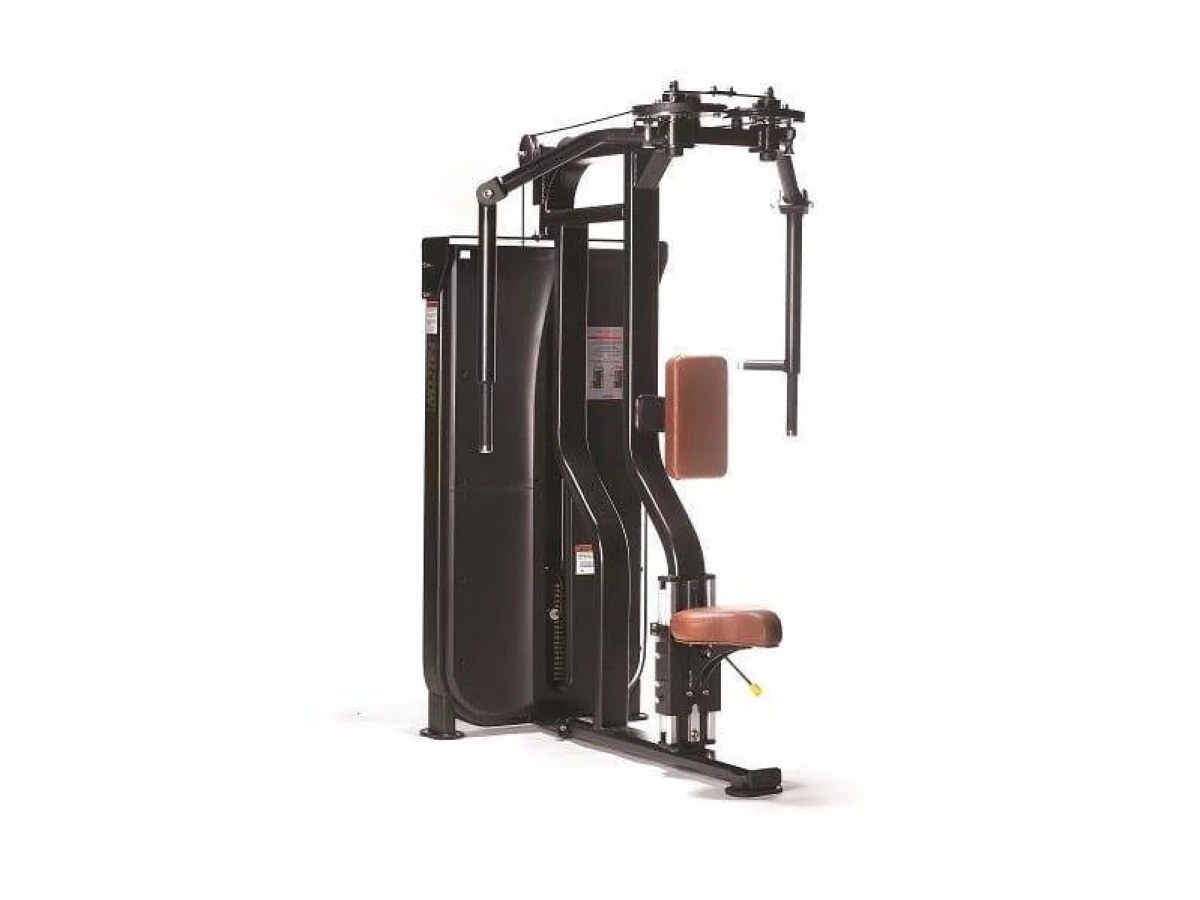
Lexco LS-101 pec fly and rear deltoid machine on one seat
Lexco LS-101 pec fly and rear deltoid machine on one seat : selectorised strength machines, 3 915,00 EUR excl. VAT. Encombrement 101 × 128 × 195 cm, masse 279 kg. Use : Domestique. Brand : Lexco. Delivery and installation priced on quotation across Europe.
3,915.00 € excl. VAT
i.e. 4,698.00 € TTC selon la destination de livraison
Shipping quoted separately The shipping cost is confirmed before you approve the order.
Dual function station covering the pec fly and the rear deltoid from one seat, with a 100 kg stack and a two position handle. One touch angle adjustment.
Quotation = itemised pricing with delivery, installation and trade discounts, within 24 business hours. No commitment. Our commitments
Warranty: manufacturer’s warranty Lexco, specified in the quotation — details of our warranties.
Description
In brief — Lexco LS-101 pec fly and rear deltoid machine on one seat: dimensions 101 × 128 × 195 cm, weight 279 kg, brand Lexco, distributed by Light In Fitness, price 3,915.00 € excl. VAT.
The Lexco LS-101 is a dual function station that covers the pec fly facing the backrest and the rear deltoid facing the other way, using a 100 kg stack and a two position handle. Turning round on the seat is the whole conversion, so the two exercises share one footprint.
Chest adduction and shoulder horizontal abduction are opposite movements that most programmes pair. Buying them as two machines costs two footprints and two stacks. On the LS-101 the user faces the pad to bring the arms together for the chest, then sits the other way, chest against the pad, and pulls the arms back for the posterior deltoid and the upper back. The handle has two positions, which changes the grip and the working angle without any mechanical change to the machine.
Handle angle is set with a single touch adjustment, and the seat rises through ten steps on a rack and pinion lift with gas spring assistance. The machine stands 1950 mm tall and weighs 279 kg, giving it the mass to stay still when a member pulls hard against the stack. Double sided ABS covers close the stack, and the pads are urethane memory foam under marine grade upholstery.
Technical specification
| Model | Lexco LS-101 pec fly and rear deltoid |
| Reference | MUS-07709 |
| Dimensions | 1280 x 1010 x 1950 mm |
| Machine weight | 279 kg |
| Weight stack | 100 kg |
| Movements | Pec fly and rear deltoid on one seat |
| Handles | Two positions, one touch angle adjustment |
| Seat adjustment | 10 steps, rack and pinion with gas spring assistance |
| Frame | Oval steel tube 50 x 105 mm, 3.0 mm wall |
| Upholstery | Urethane memory foam, marine grade covering |
| Shrouds | Double sided ABS stack covers |
| Intended use | ISO 20957-1 class S, professional and commercial |
| Price | 3,915 EUR excluding VAT |
Why the rear deltoid function matters on a busy floor
Posterior shoulder work is the exercise members skip and coaches keep prescribing. Putting it on the same station as the chest fly means it takes no extra floor space and no extra decision, which is the practical reason a dual machine gets used when a dedicated rear delt station often does not.
The station is compact in plan, roughly 1.28 by 1.01 m, but it stands 1950 mm tall, so check for low soffits, ducting or lighting above the intended position. Allow entry from both the front and the rear, since users approach the seat from either direction depending on the exercise. At 279 kg, confirm the delivery route and lift access. A siting plan is issued with the quotation once we have your room drawing. We deliver to France, Belgium, Switzerland and Luxembourg, quote export per project, and dispatch within five to ten working days from stock.
Frequently asked questions
How does the machine change between the two exercises?
The user turns round. For the fly the back rests against the pad and the arms come together; for the rear deltoid the chest rests against the pad and the arms open backwards. The handle position and seat height are adjusted to suit.
What does the two position handle change?
It alters the grip and therefore the angle at the shoulder, which shifts emphasis within the same movement and lets a taller or shorter user find a comfortable path.
Does a dual station slow down a busy gym?
It can, because one member may use it for both exercises in sequence. In rooms with queues at peak hours, plan a second chest station nearby so the fly is not the bottleneck.
Request a quotation and receive a costed proposal within 24 working hours, or view the full range of Lexco selectorised machines.
Additional information
| Weight | 279 kg |
|---|---|
| Dimensions | 101 × 128 × 195 cm |
| Use | Domestique |
| Brand | Lexco |
Delivery and installation
Lead times are confirmed in the quotation according to the product, available stock and destination.
Access requirements and delivery appointments for heavy equipment are agreed before dispatch.
Installation is included when stated for the product or in the quotation; otherwise it is quoted separately.
You may also like…
-
Lexco LS-102 lat pull down, Falcon series 100 kg stack to Pinterest (opens in a new window)Save on Pinterest : Lexco LS-102 lat pull down, Falcon series 100 kg stack
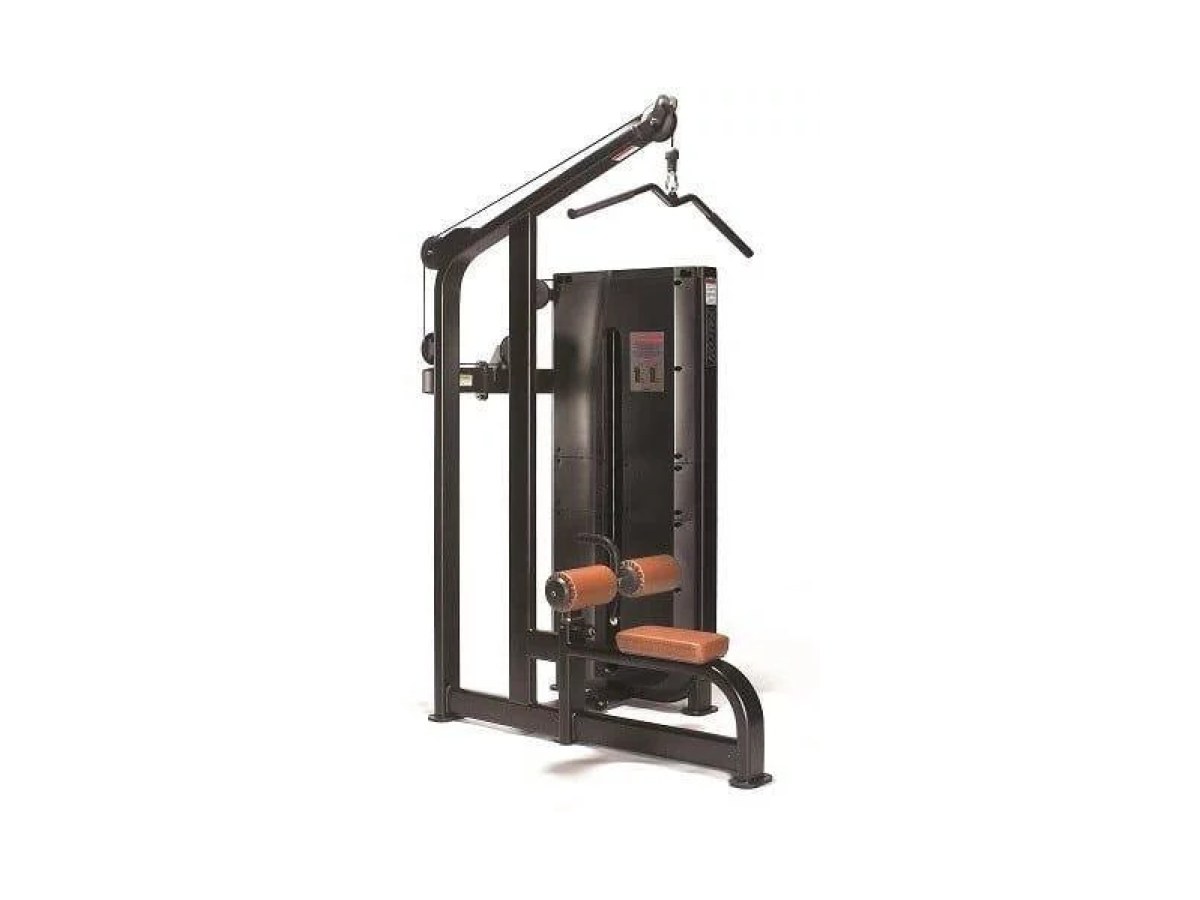 Add to cartMORE INFO
Lexco LS-102 lat pull down, Falcon series 100 kg stack
3,240.00 € excl. VAT -
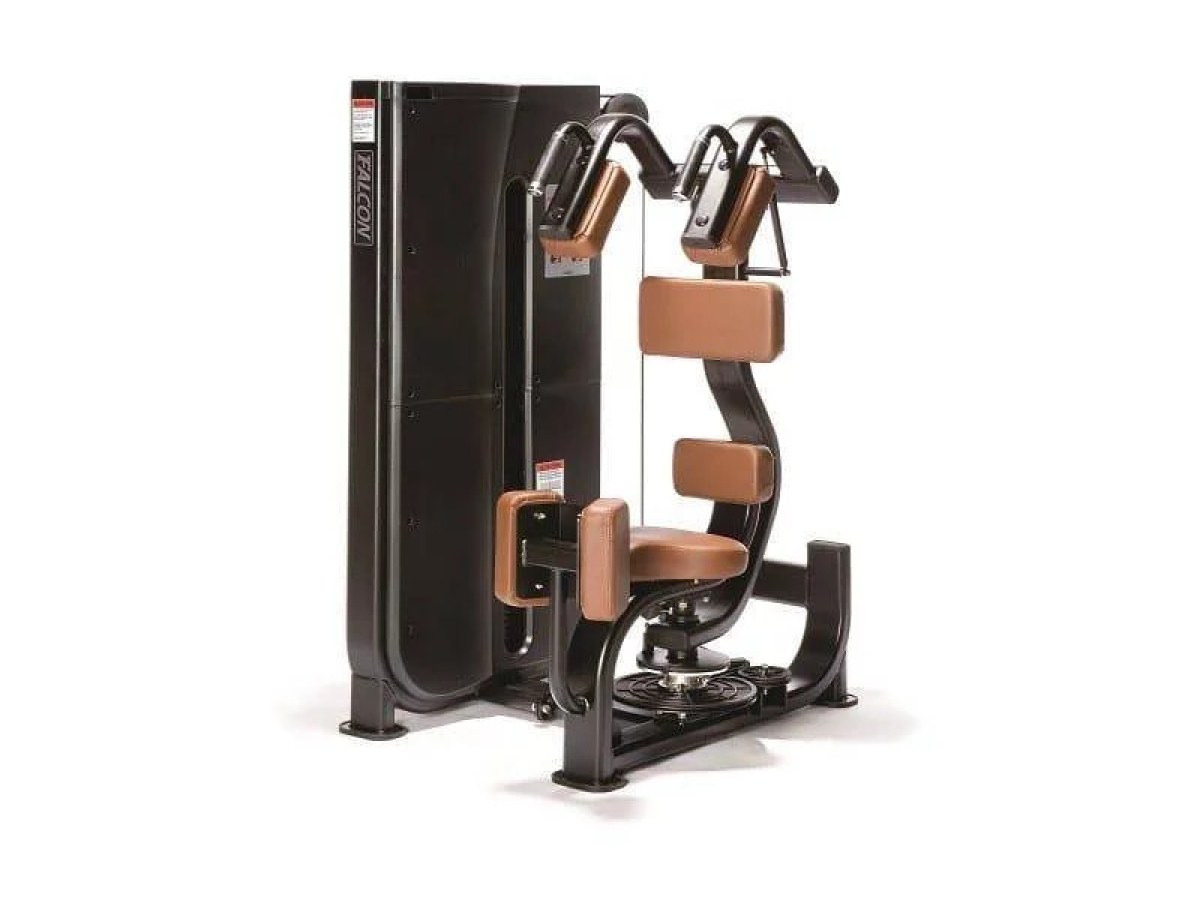
Lexco LS-113 Rotary Torso, Selectorised Oblique and Trunk Rotation Machine to Pinterest (opens in a new window)Save on Pinterest : Lexco LS-113 Rotary Torso, Selectorised Oblique and Trunk Rotation Machine
![Lexco LS-113 Rotary Torso, Selectorised Oblique and Trunk Rotation Machine]() Add to cartMORE INFO
Add to cartMORE INFOLexco LS-113 Rotary Torso, Selectorised Oblique and Trunk Rotation Machine
3,465.00 € excl. VAT -
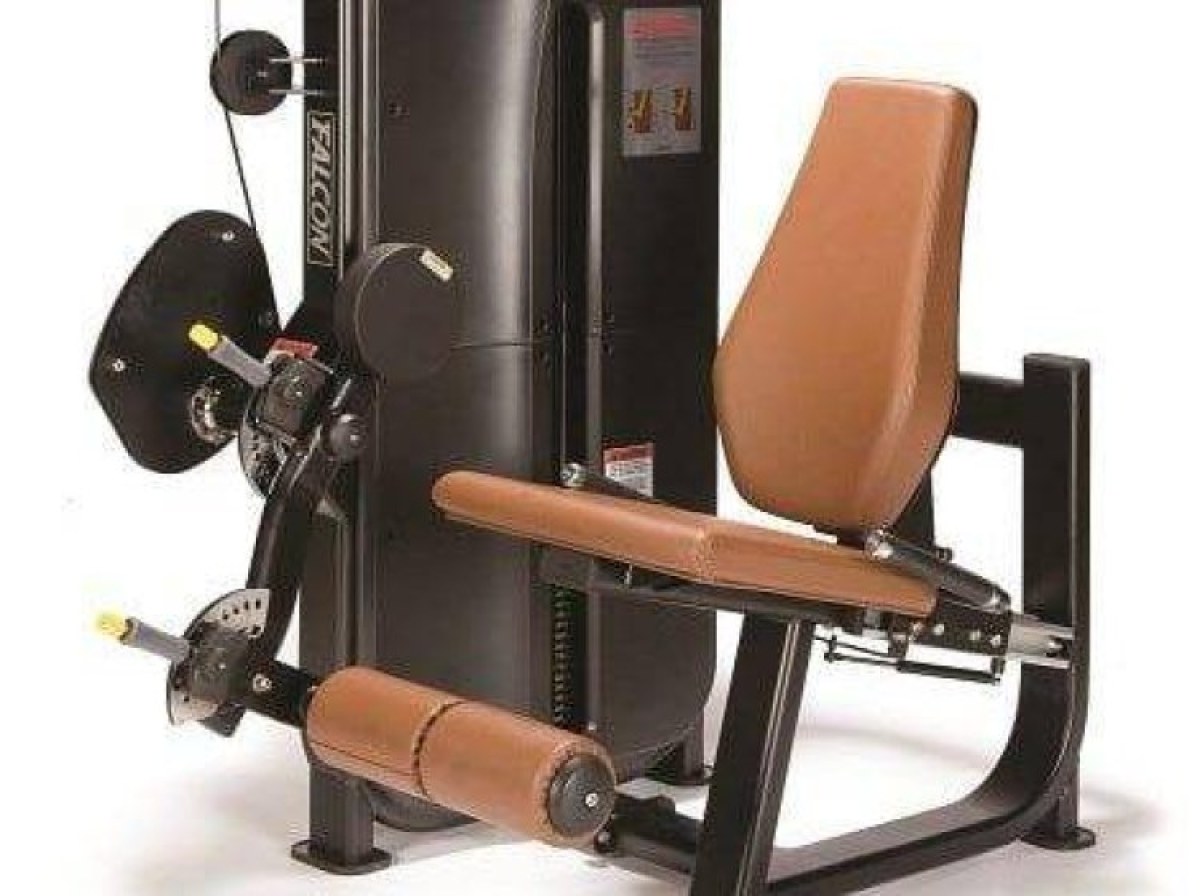
Lexco LS-115 leg extension machine, Falcon series 100 kg stack to Pinterest (opens in a new window)Save on Pinterest : Lexco LS-115 leg extension machine, Falcon series 100 kg stack
![Lexco LS-115 leg extension machine, Falcon series 100 kg stack]() Add to cartMORE INFO
Add to cartMORE INFOLexco LS-115 leg extension machine, Falcon series 100 kg stack
3,825.00 € excl. VAT -
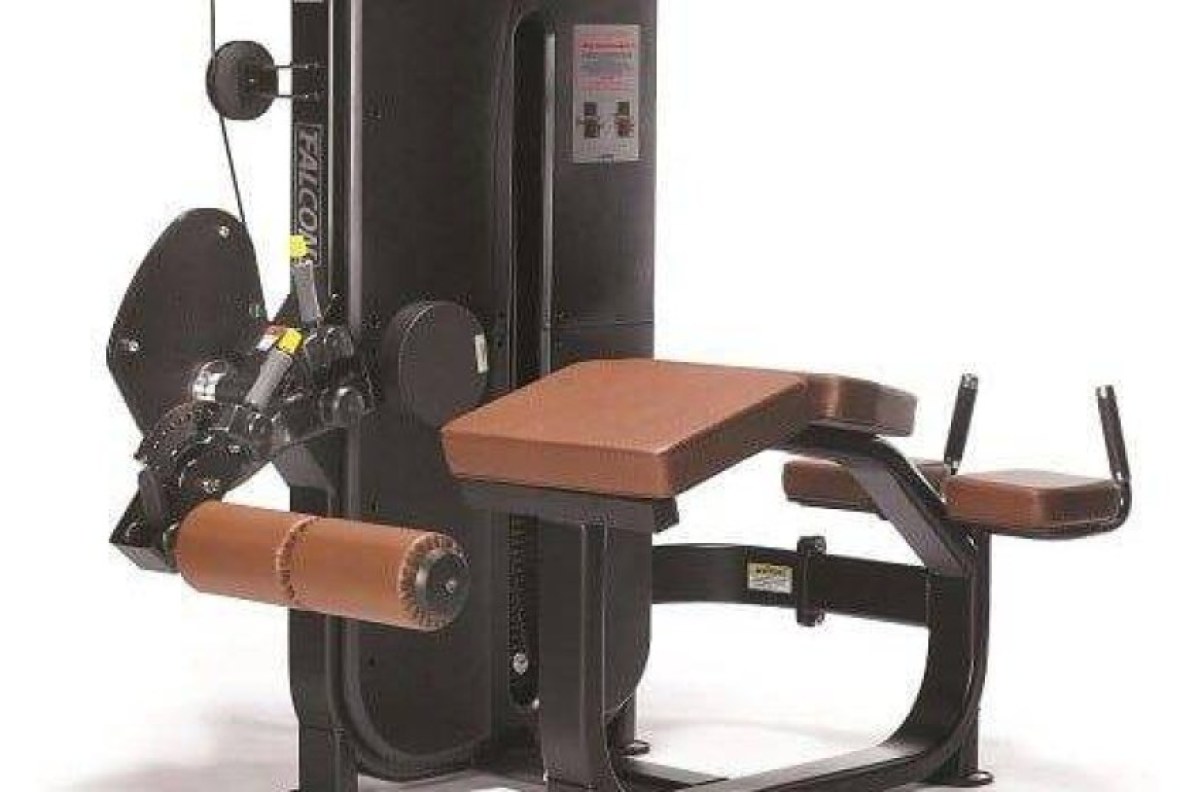
Lexco LS-120 Prone Leg Curl, Selectorised Hamstring Machine for Professional Use to Pinterest (opens in a new window)Save on Pinterest : Lexco LS-120 Prone Leg Curl, Selectorised Hamstring Machine for Professional Use
![Lexco LS-120 Prone Leg Curl, Selectorised Hamstring Machine for Professional Use]() Add to cartMORE INFO
Add to cartMORE INFOLexco LS-120 Prone Leg Curl, Selectorised Hamstring Machine for Professional Use
3,780.00 € excl. VAT -
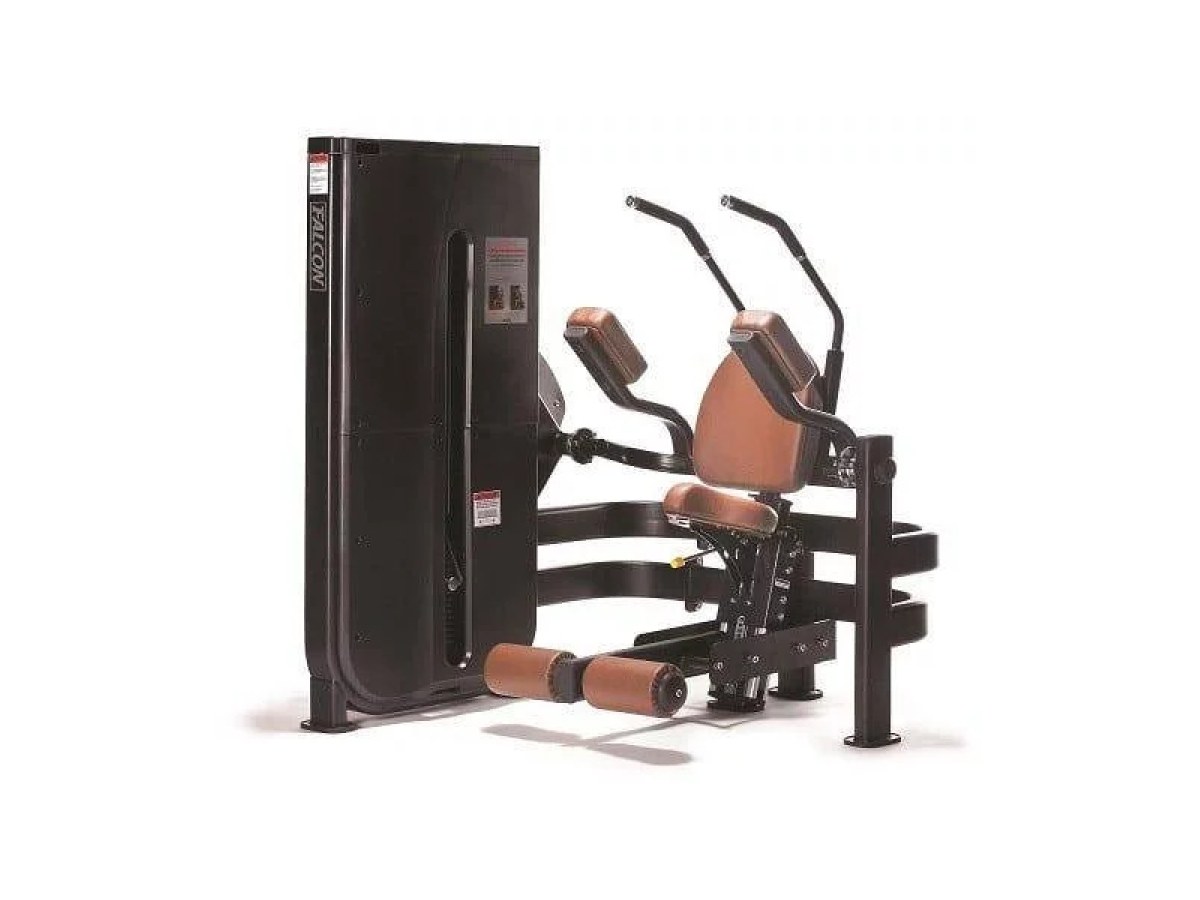
Lexco LS-110 Abdominal Machine, Selectorised Trunk Flexion Station for Professional Use to Pinterest (opens in a new window)Save on Pinterest : Lexco LS-110 Abdominal Machine, Selectorised Trunk Flexion Station for Professional Use
![Lexco LS-110 Abdominal Machine, Selectorised Trunk Flexion Station for Professional Use]() Add to cartMORE INFO
Add to cartMORE INFOLexco LS-110 Abdominal Machine, Selectorised Trunk Flexion Station for Professional Use
3,645.00 € excl. VAT
Related products
-
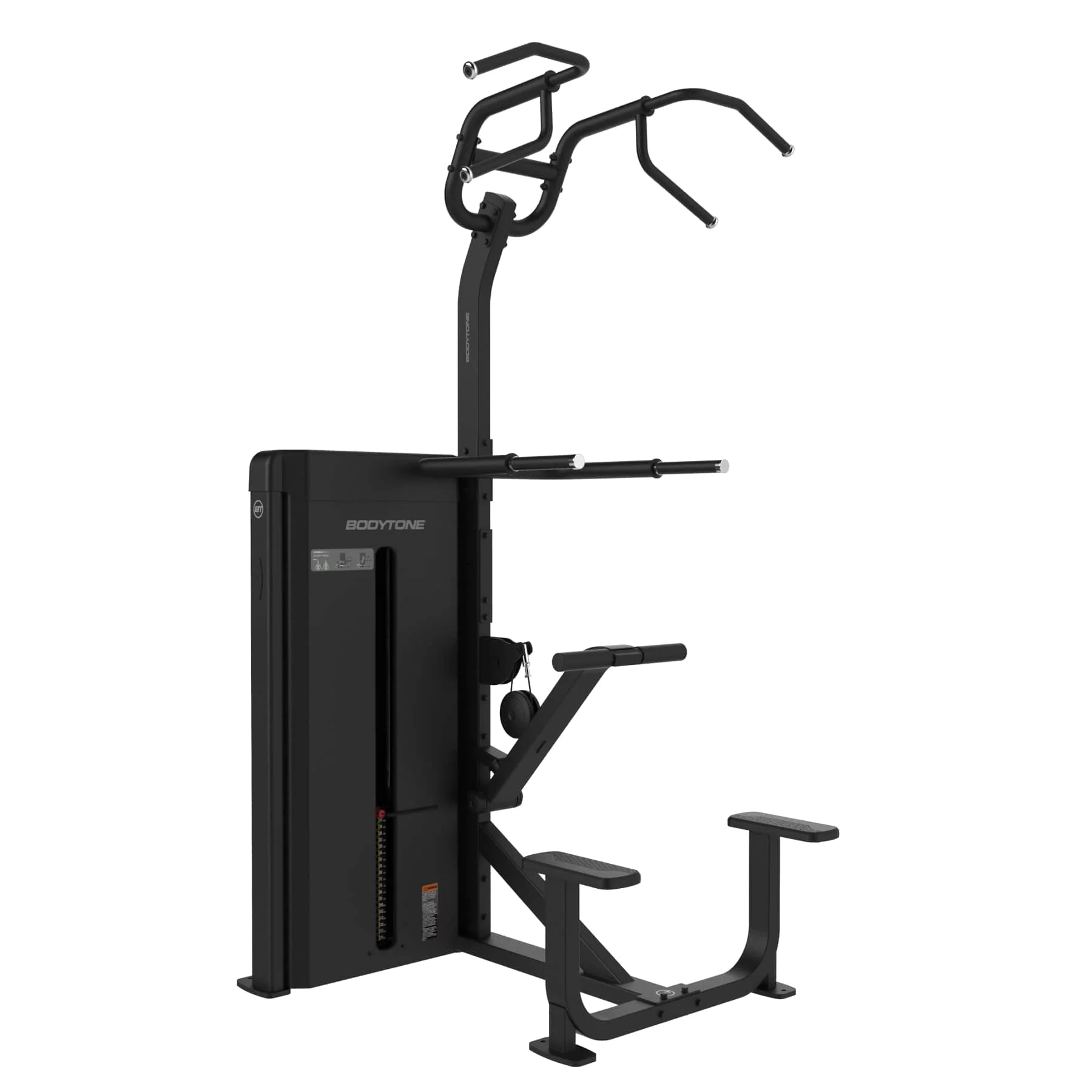
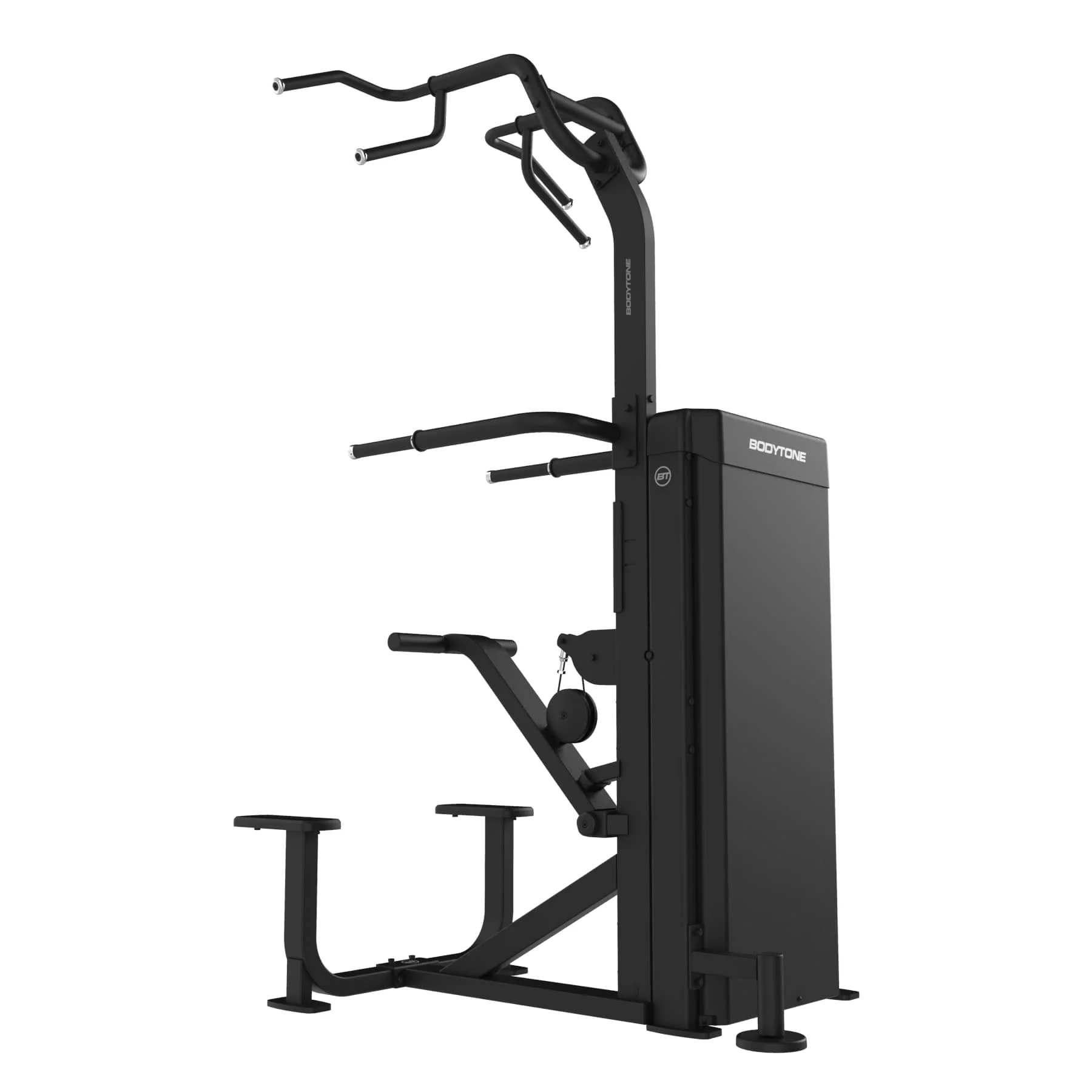
Bodytone Forza FB13 weight assisted chin and dip station to Pinterest (opens in a new window)Save on Pinterest : Bodytone Forza FB13 weight assisted chin and dip station
![Weight Assisted Chin-Dip Forza Bodytone FB13]()
 Add to cartMORE INFO
Bodytone Forza FB13 weight assisted chin and dip station
3,999.00 € excl. VAT -
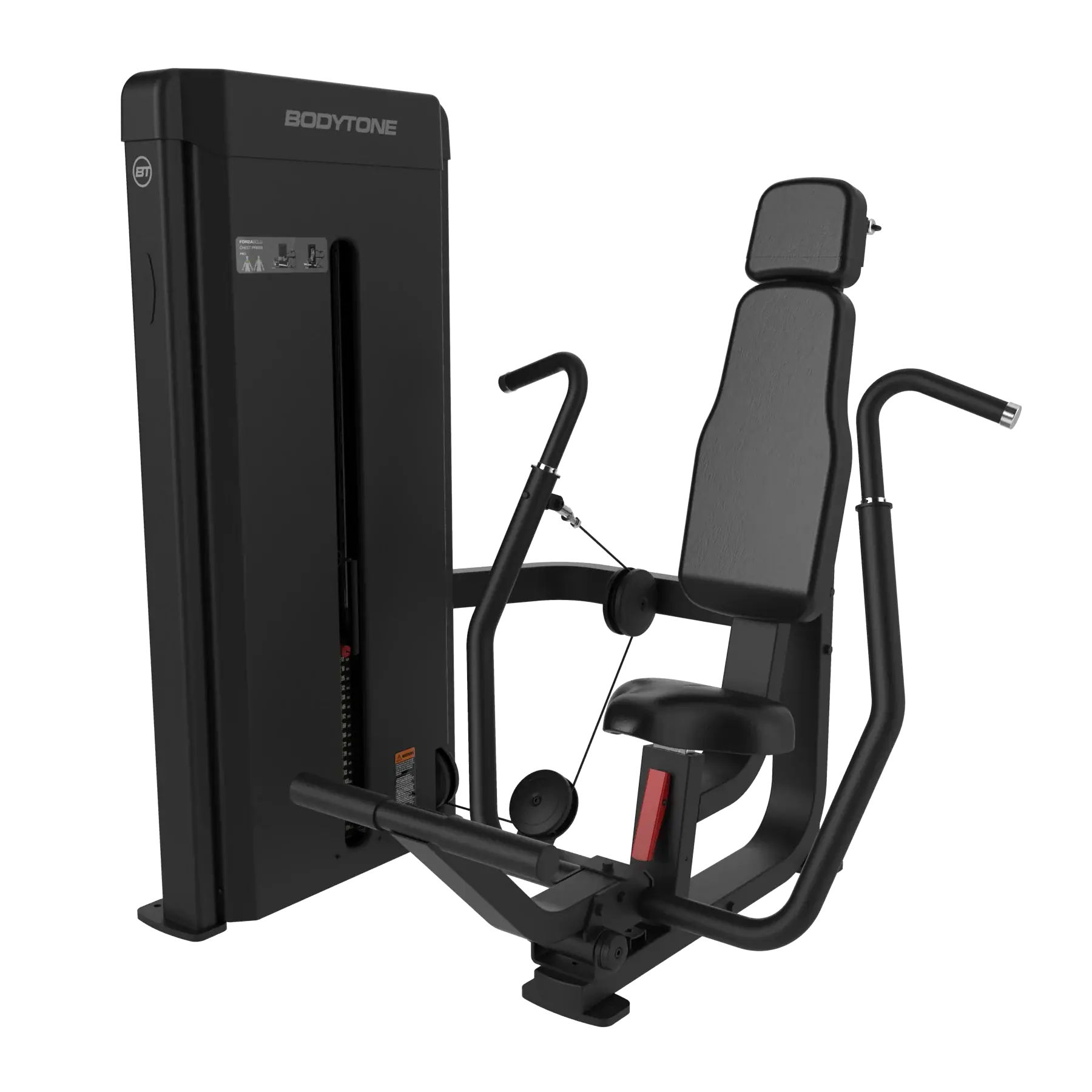
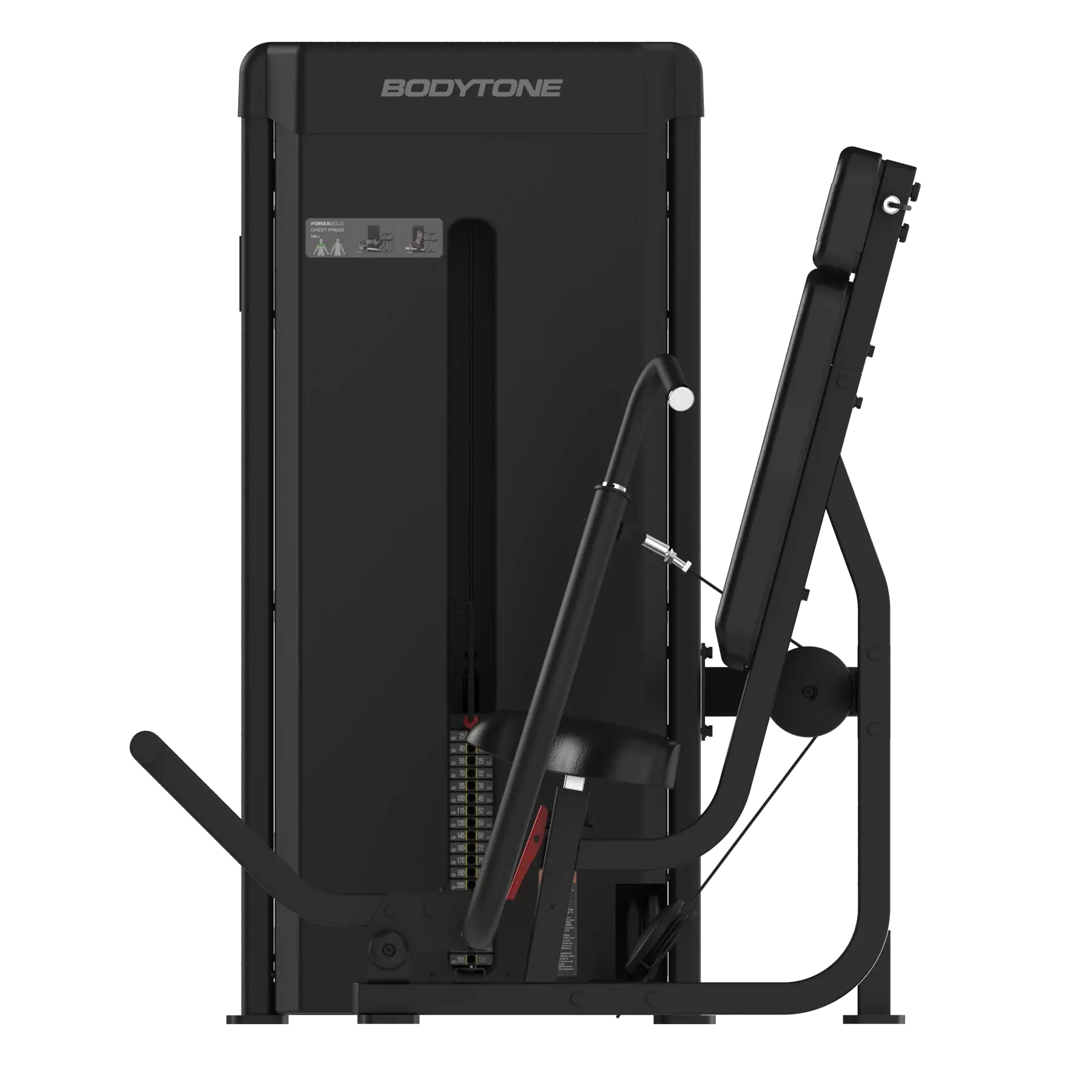
Bodytone Forza FB01 selectorised chest press to Pinterest (opens in a new window)Save on Pinterest : Bodytone Forza FB01 selectorised chest press
![Chest Press Forza Bodytone FB01]()
 Add to cartMORE INFO
Bodytone Forza FB01 selectorised chest press
3,849.00 € excl. VAT -
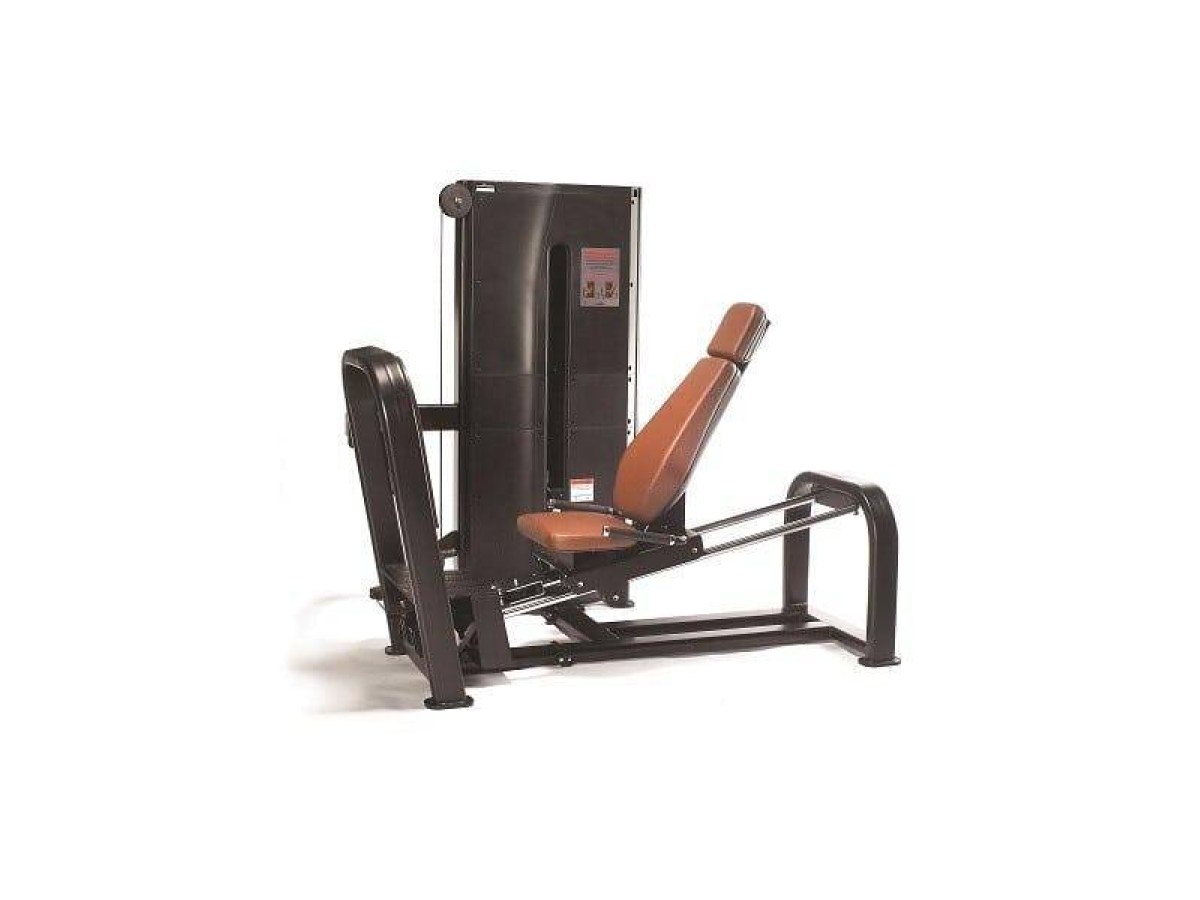
Lexco LS-117 seated leg press for gyms and rehabilitation to Pinterest (opens in a new window)Save on Pinterest : Lexco LS-117 seated leg press for gyms and rehabilitation
![Lexco LS-117 seated leg press for gyms and rehabilitation]() Add to cartMORE INFO
Add to cartMORE INFOLexco LS-117 seated leg press for gyms and rehabilitation
4,575.00 € excl. VAT