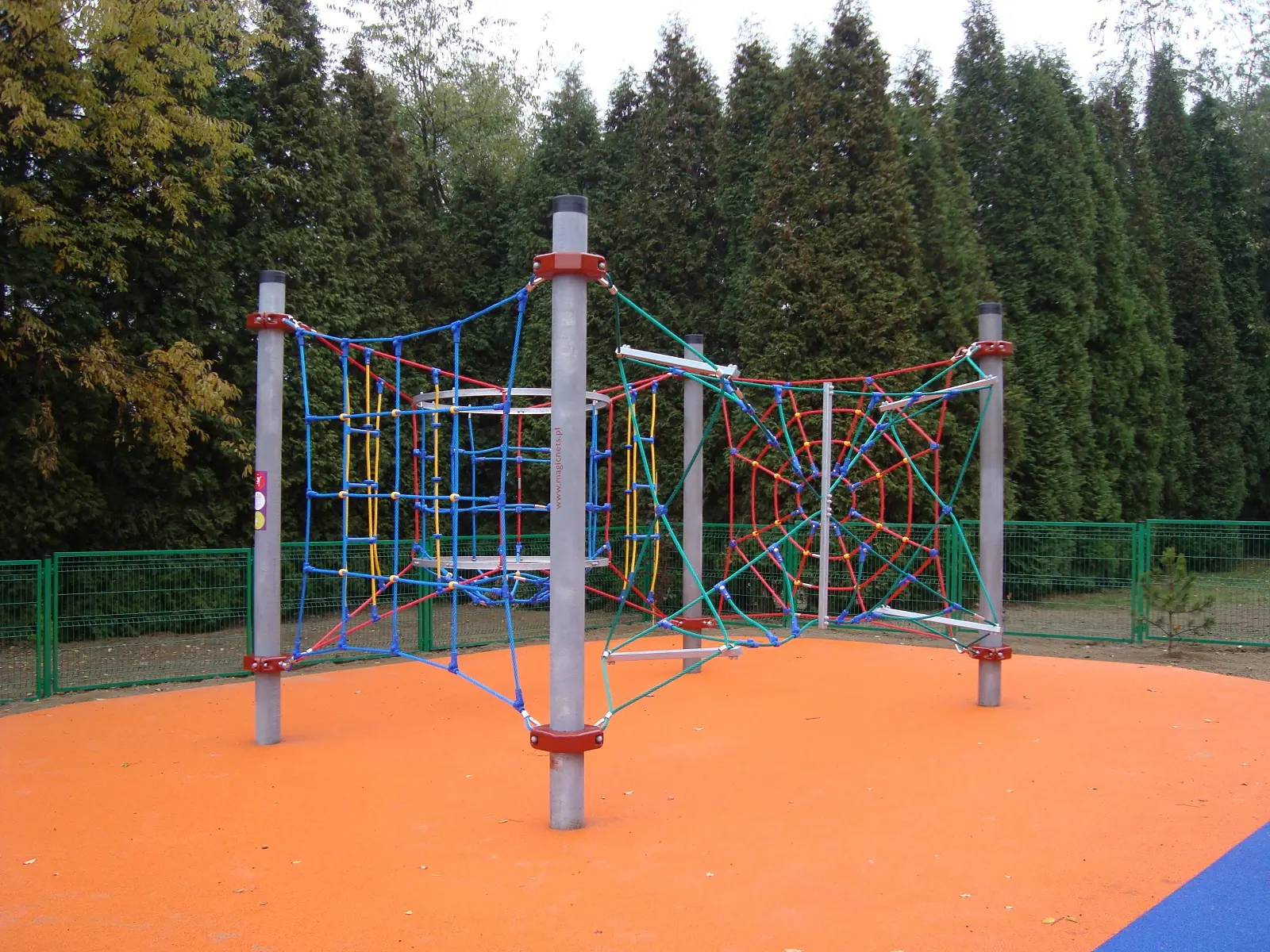
ISIS XL Lattice Climbing Net
ISIS XL Lattice Climbing Net : rope play modules for playgrounds, marque Light In Fitness, tarif sur devis. Encombrement 460 × 30 × 300 cm. Delivery and installation priced on quotation across Europe.
Price on request
Shipping quoted separately The shipping cost is confirmed before you approve the order.
Price on request — project quotation within 24 business hours.
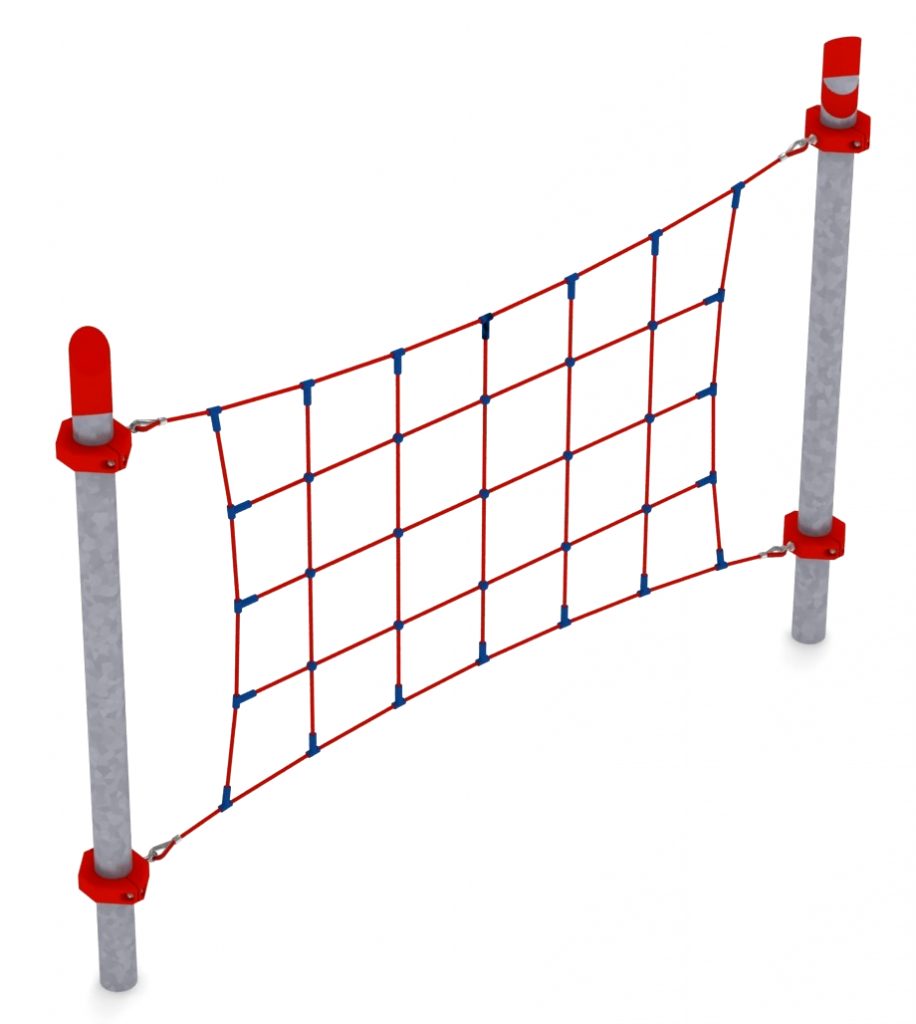
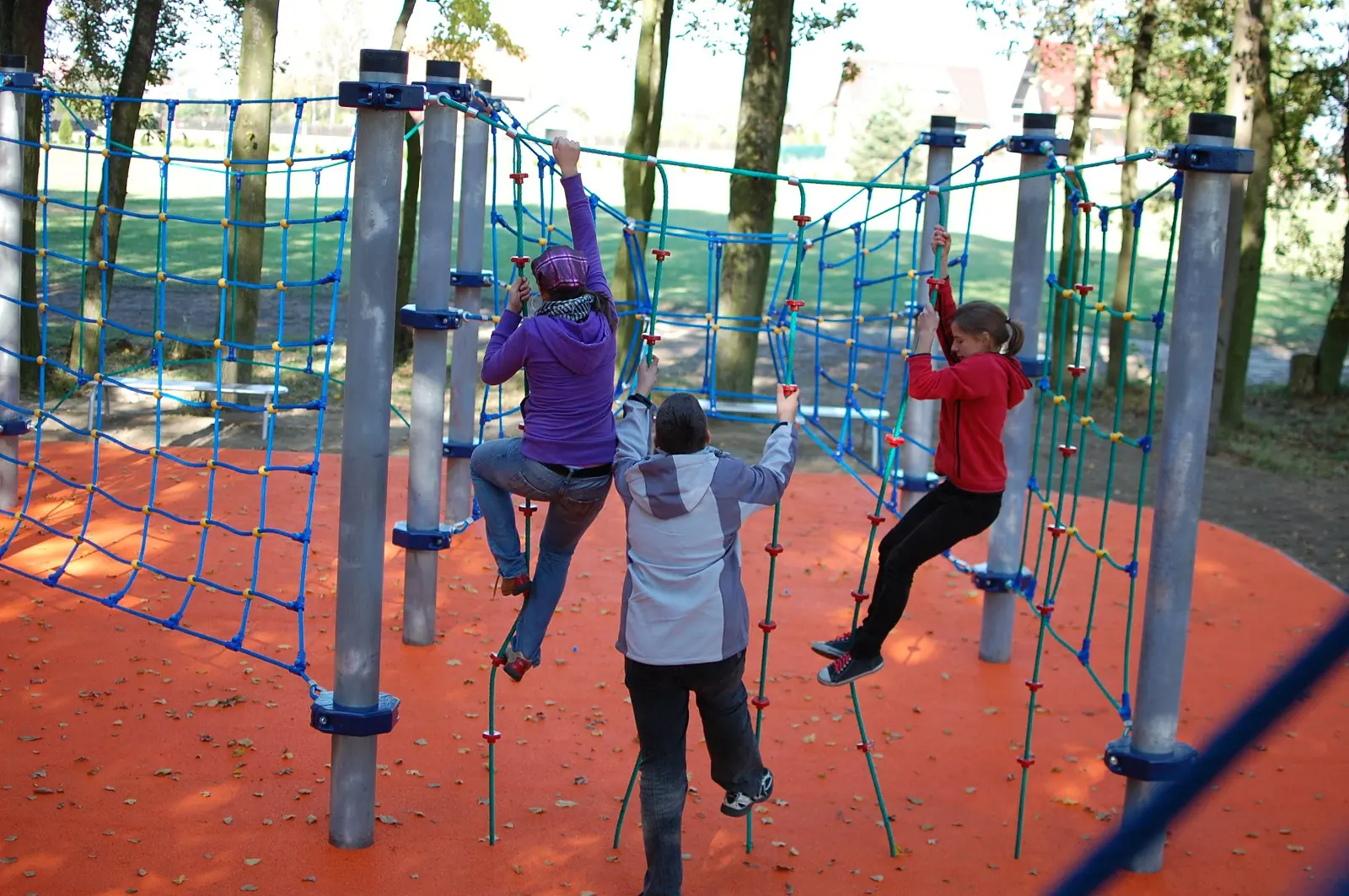
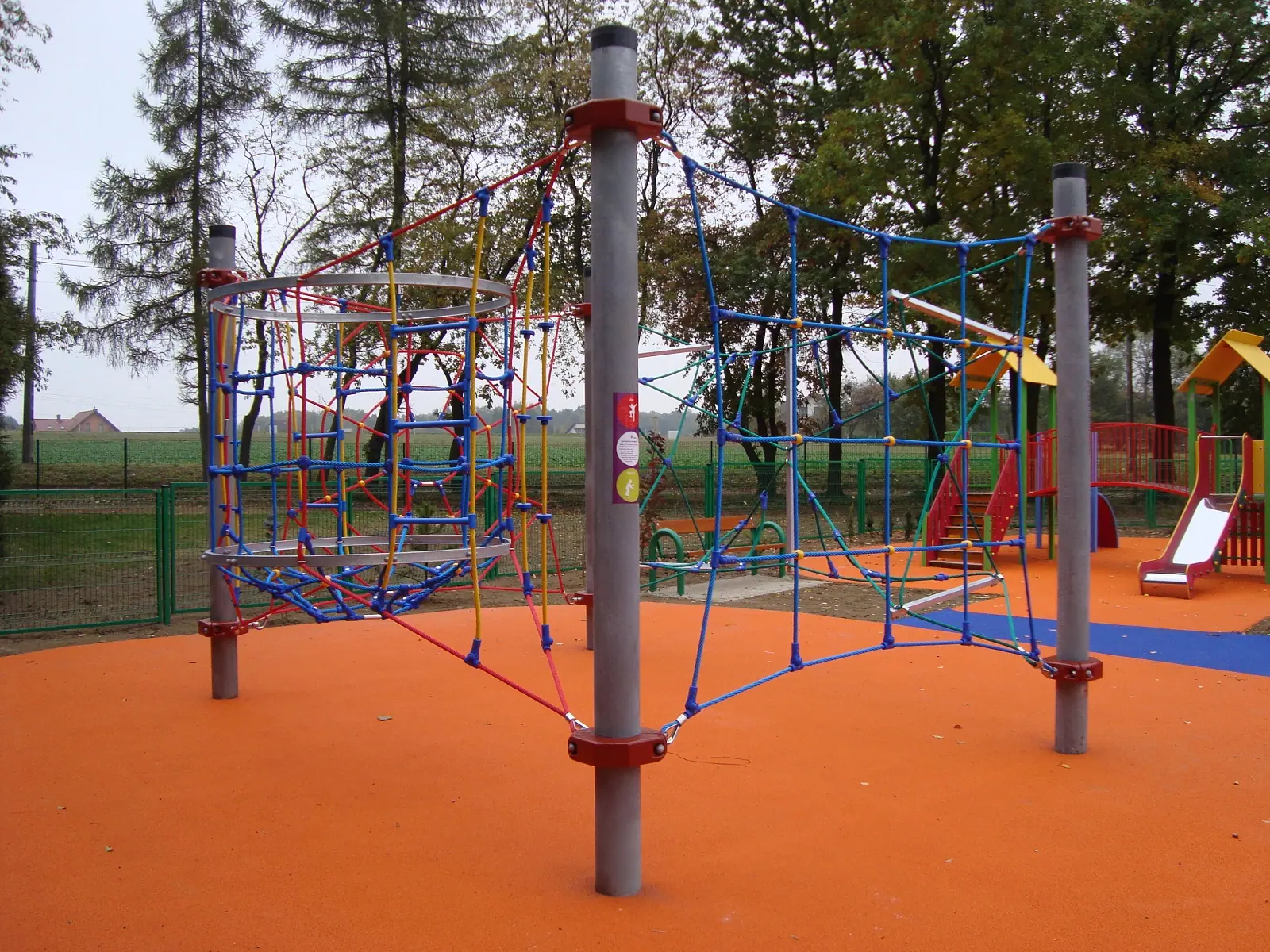
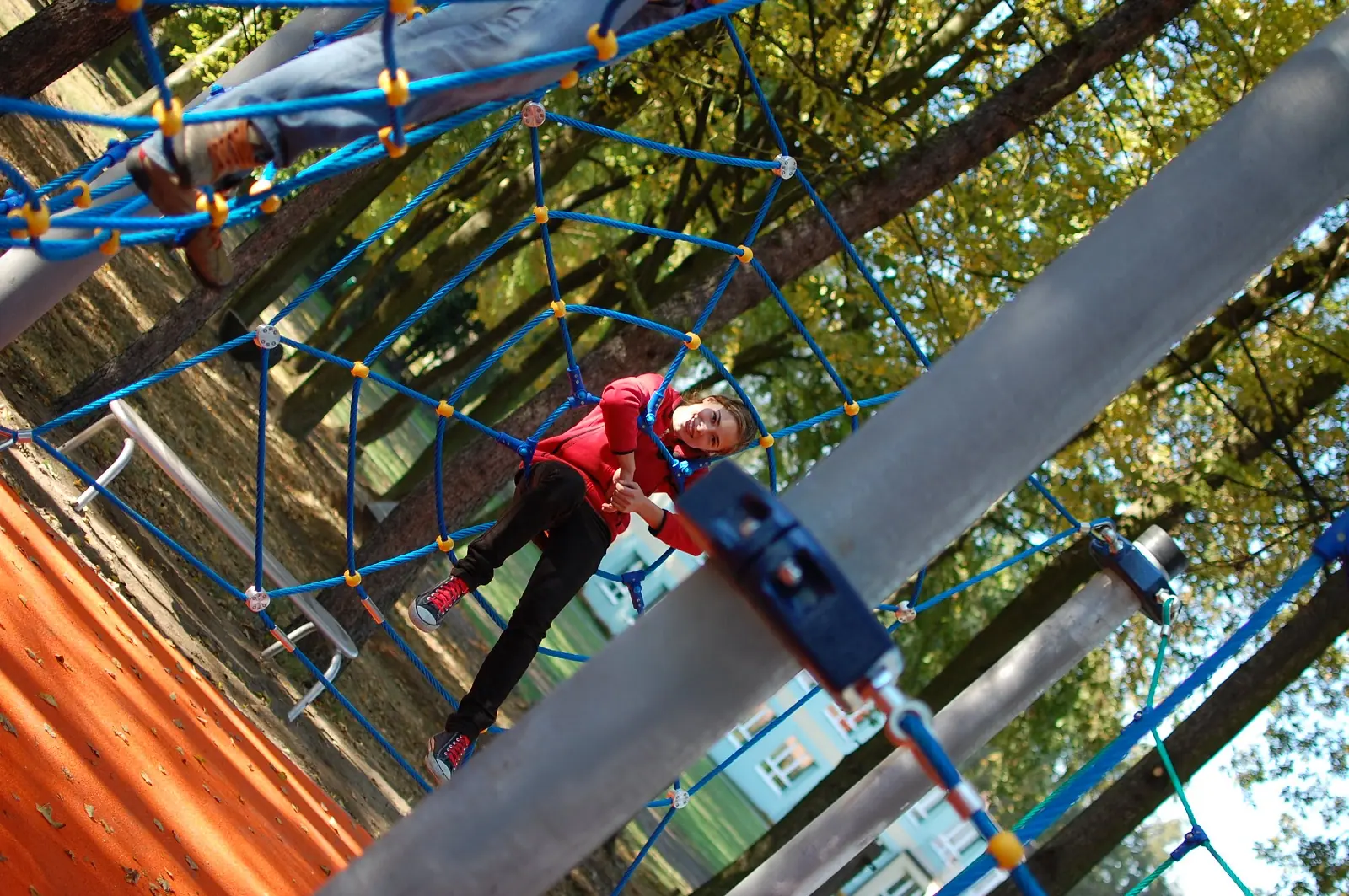
Wide-span rope lattice with eight vertical ropes and a 0.5 x 0.5 m mesh.
This item is supplied on quotation: configuration, delivery and installation are priced against your project.
Request a quotation +33 6 20 72 66 96
Answer within 24 to 72 business hours, quote reference LIF-ISISXL-009. Layout study, delivery, installation and after sales.
Conformity: equipment certified compliant with EN 1176 (playground equipment) by an independent certification body; the certificate is supplied on request with the quotation.
Warranty: specified in the quotation for each reference — details of our warranties.
Description
In brief — ISIS XL Lattice Climbing Net: dimensions 460 × 30 × 300 cm, free fall height 2,85 m, age range 5 to 14 years, safety area 5,3 × 9,6 m, standards EN 1176-1:2017, certification certificate of conformity from an independent certification body, price on quotation.
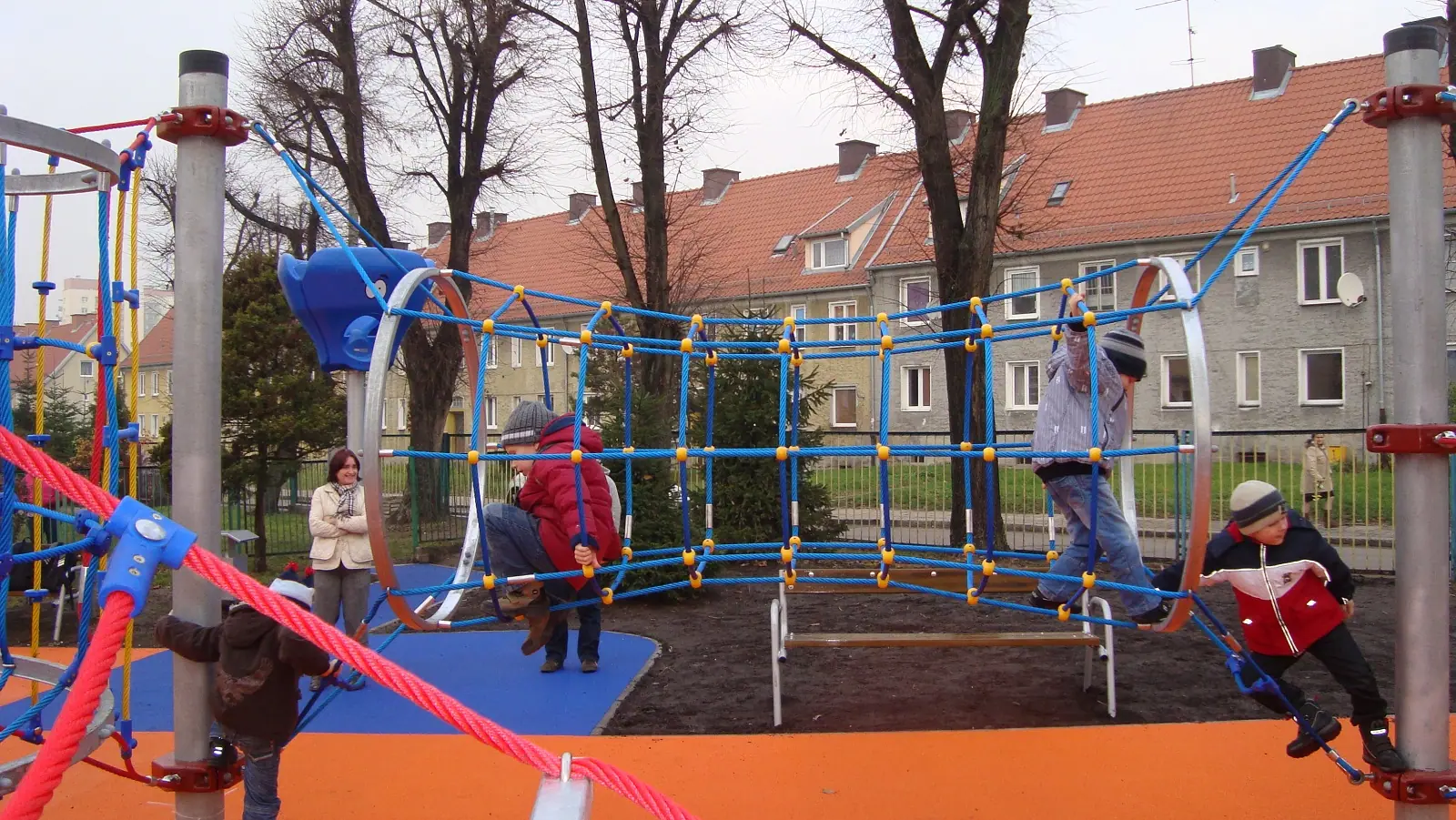
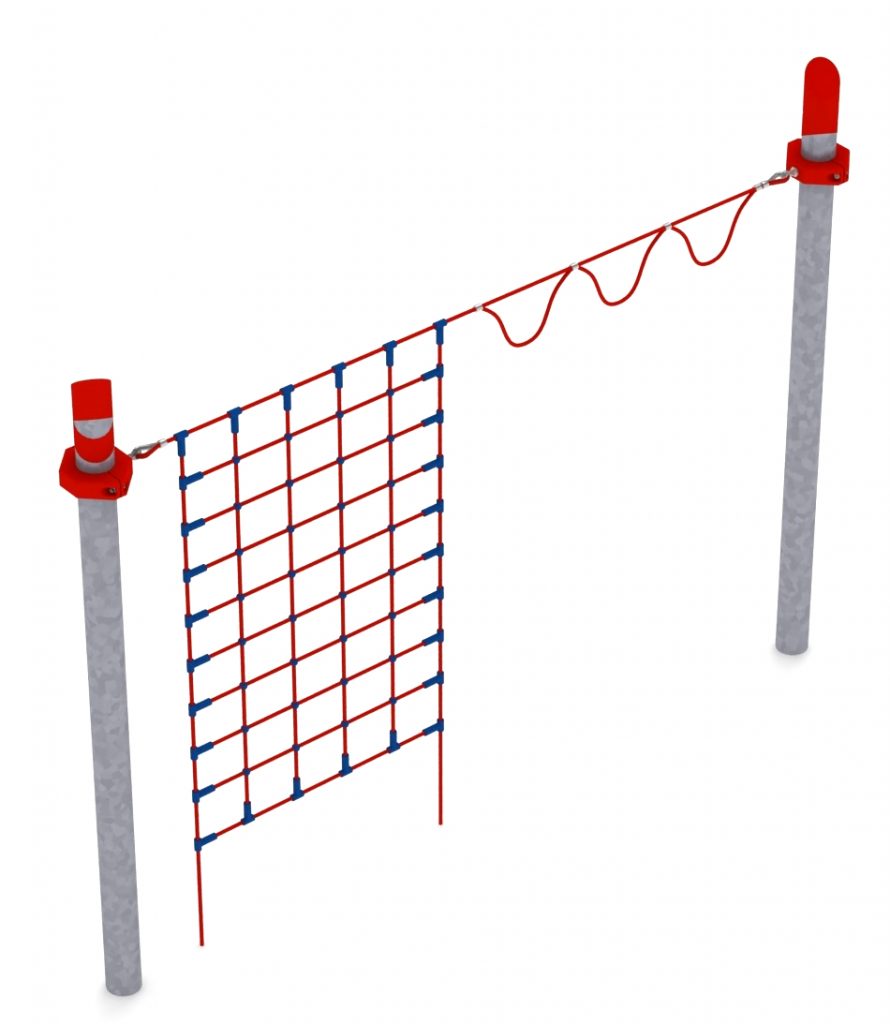
ISIS XL widens the rope lattice to eight vertical ropes over a 4.24 m post spacing, keeping the same 0.5 x 0.5 m mesh. The result is a broad climbing face rather than a narrow panel, and the module behaves differently once several children are on it.
A wide face rather than a long one
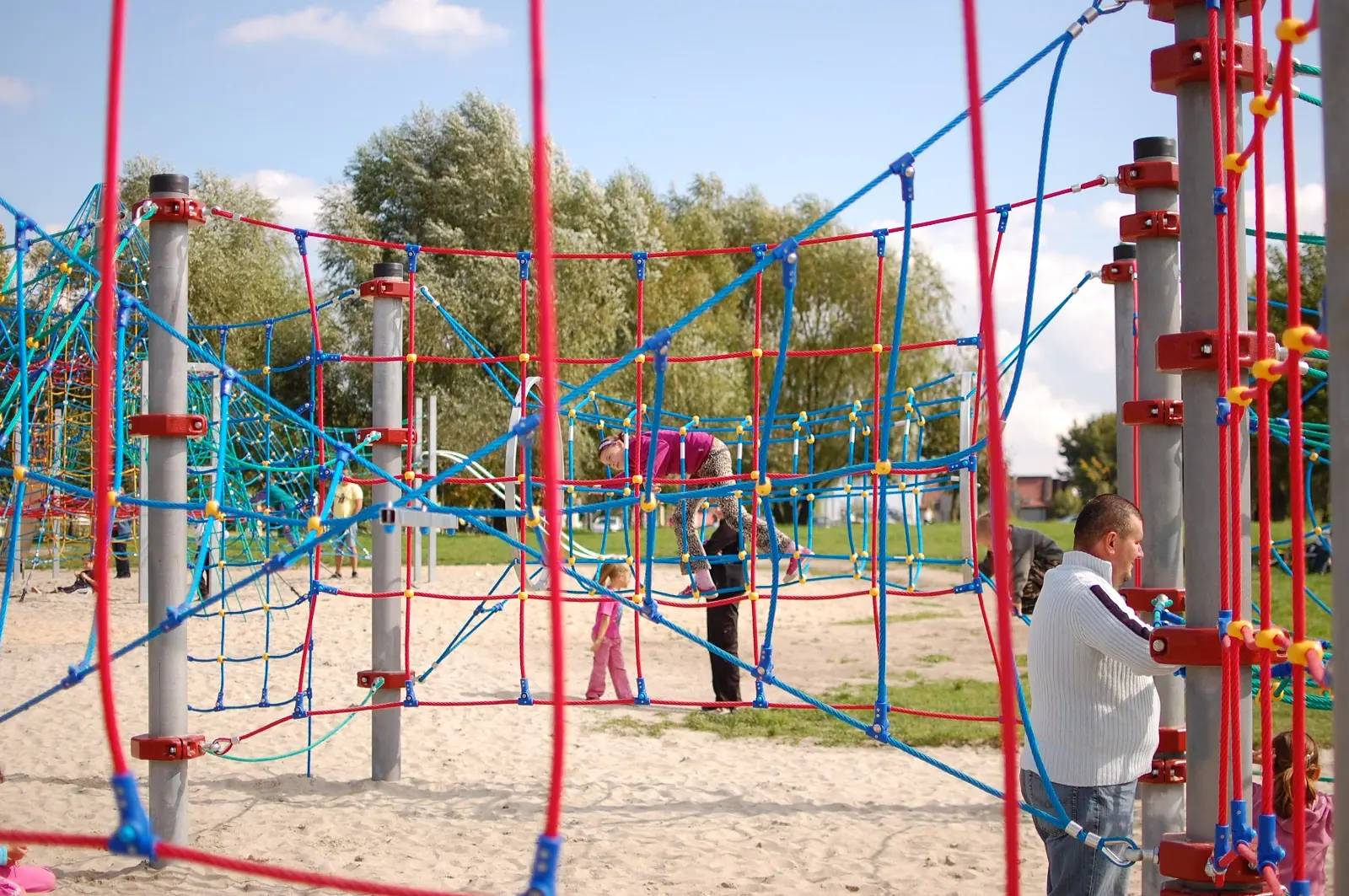
Rope nets deflect when loaded, and on a narrow panel one heavy climber moves the whole structure for everyone else. Spreading the same mesh across 4.24 m distributes that movement, so a group can climb at once with each child feeling a stable net under their hands. In practice this is what allows a class to use the module in rotation without constant intervention from staff.
- Lattice of eight vertical and five horizontal ropes
- Mesh openings of 0.5 x 0.5 m
- Aluminium, stainless steel and plastic connectors
- Reinforced concrete footings
Technical specification
| Reference | LIF-ISISXL-009 |
|---|---|
| Dimensions | 4.6 x 0.3 x 3.0 m (L x W x H) |
| Age range | 5 to 14 years |
| Free height of fall | 2.85 m |
| Safety area | 5.3 x 9.6 m minimum |
| Foundation depth | 1.0 m, reinforced concrete footings |
| Mesh | 0.5 x 0.5 m |
| Post spacing | 4.24 m |
| Frame | Hot-dip galvanised steel posts, 168.3 mm diameter |
| Ropes | Braided and bonded polyamide, 18 mm, galvanised steel core |
| Standard | EN 1176-1:2017, certificate issued by an independent certification body |
| Price | On request — project quotation within 24 business hours |
Specifying the wider span
The safety area grows from 5.3 x 8.3 m to 5.3 x 9.6 m, an increase of about 7 square metres of surfacing. Set against the additional capacity, that is usually the cheapest way to add throughput to a rope trail, because no extra foundations or posts are involved beyond the module itself.
Installation
Foundations are 1.0 m deep reinforced concrete footings and heavy plant access is required. The free height of fall is 2.85 m and the impact attenuating surface is laid to EN 1176-1 across the whole safety area.
Frequently asked questions
Does the wider net sag more?
The ropes are tensioned assemblies with a galvanised steel core, and tension is set at installation and checked at inspection. Deflection under load is part of the play value, not a defect.
Can it be used as a boundary within a play area?
It is a climbing module, not a barrier, and the safety area must remain clear on both sides. It should not be used to divide a space.
What happens if one rope is damaged?
Individual ropes are replaceable. The module is taken out of use until the repair is complete, in line with the operator duties set out in EN 1176.
Request a quotation with your dimensions, or compare the other rope climbing nets.
Additional information
| Dimensions | 460 × 30 × 300 cm |
|---|
Delivery and installation
Lead times are confirmed in the quotation according to the product, available stock and destination.
Access requirements and delivery appointments for heavy equipment are agreed before dispatch.
Installation is included when stated for the product or in the quotation; otherwise it is quoted separately.
You may also like…
-
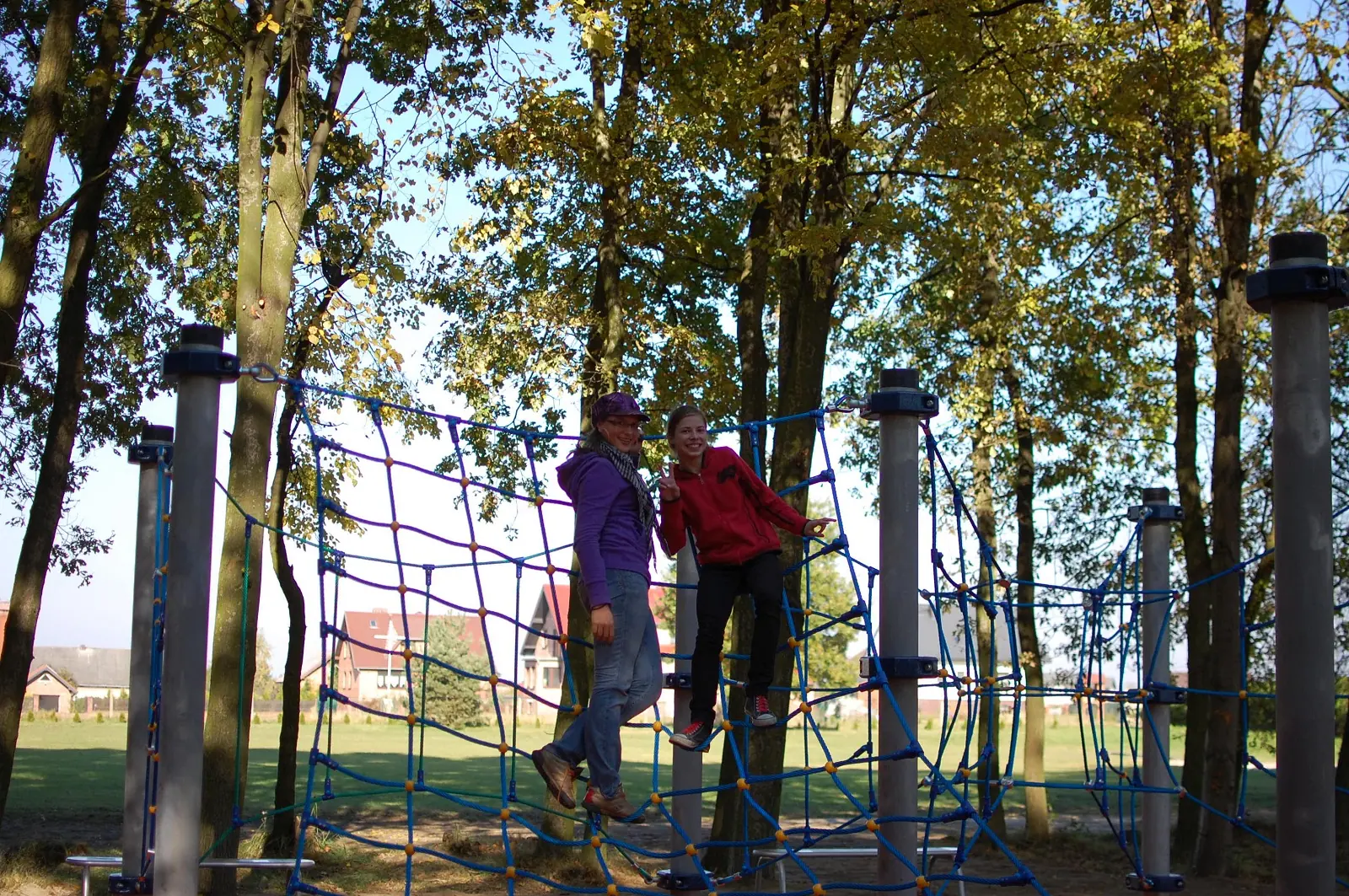
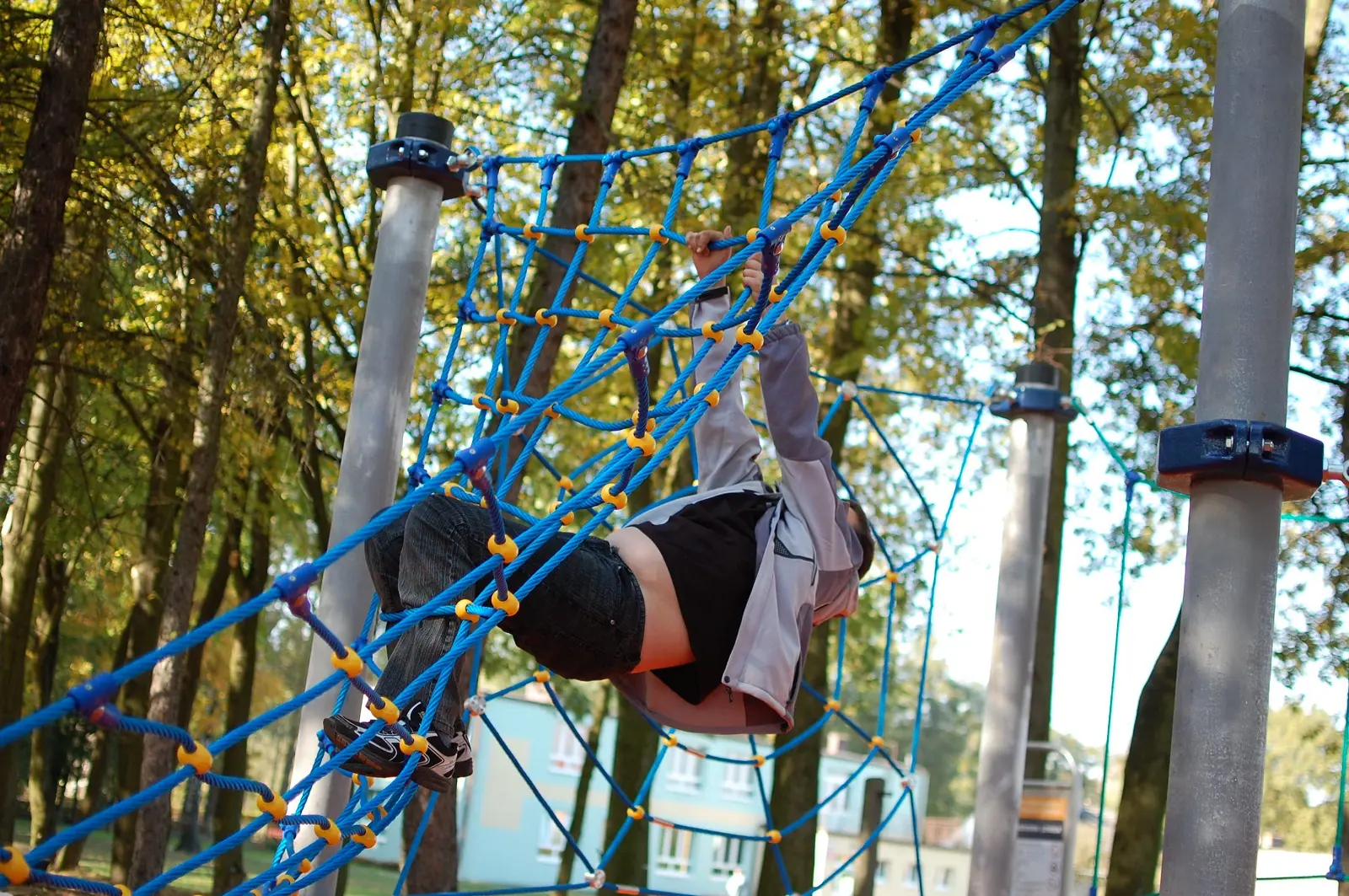
ELEKTRA Inclined Lattice Climbing Net to Pinterest (opens in a new window)Save on Pinterest : ELEKTRA Inclined Lattice Climbing Net
 View product
ELEKTRA Inclined Lattice Climbing Net
Price on request -
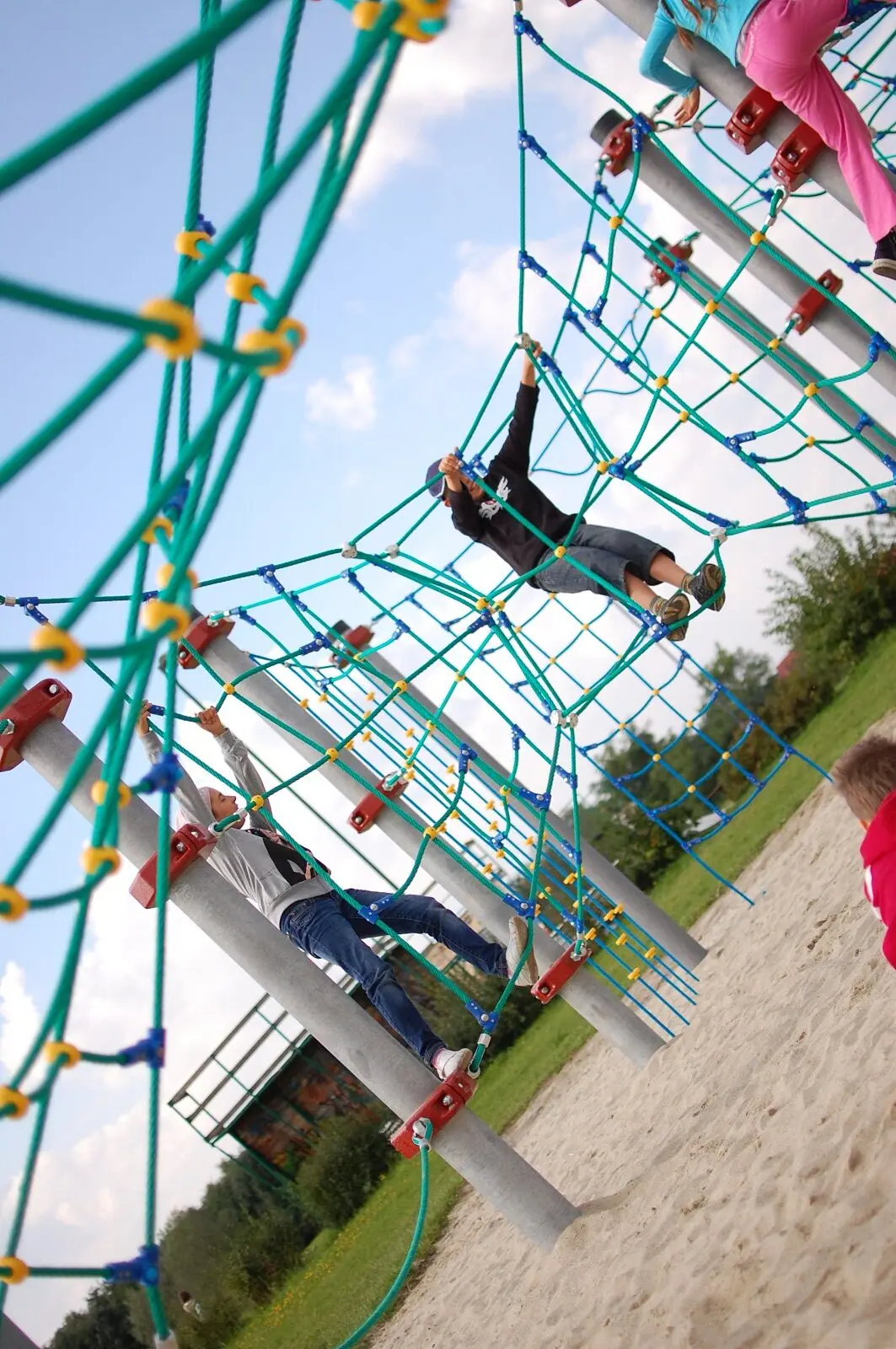
PSYCHE Cross Climbing Net with Hourglass Core to Pinterest (opens in a new window)Save on Pinterest : PSYCHE Cross Climbing Net with Hourglass Core
![module de jeu en corde psyche]()
 View product
PSYCHE Cross Climbing Net with Hourglass Core
Price on request -
ARIADNE Pulley Climbing Ropes Module to Pinterest (opens in a new window)Save on Pinterest : ARIADNE Pulley Climbing Ropes Module
![module de jeu en corde ariadne]()
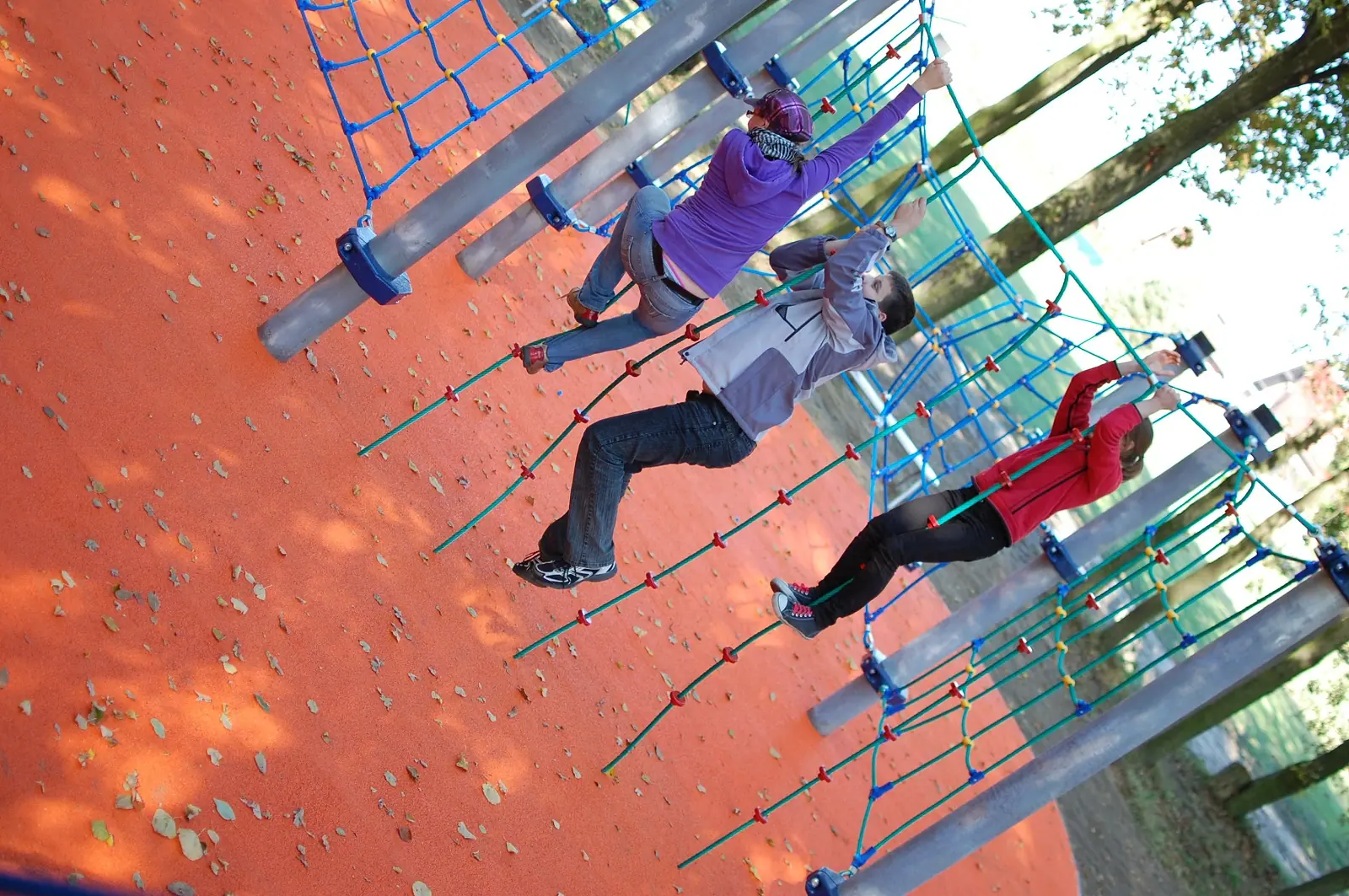 View product
ARIADNE Pulley Climbing Ropes Module
Price on request -
ISIS Lattice Climbing Net to Pinterest (opens in a new window)Save on Pinterest : ISIS Lattice Climbing Net
![module de jeu en corde isis]()
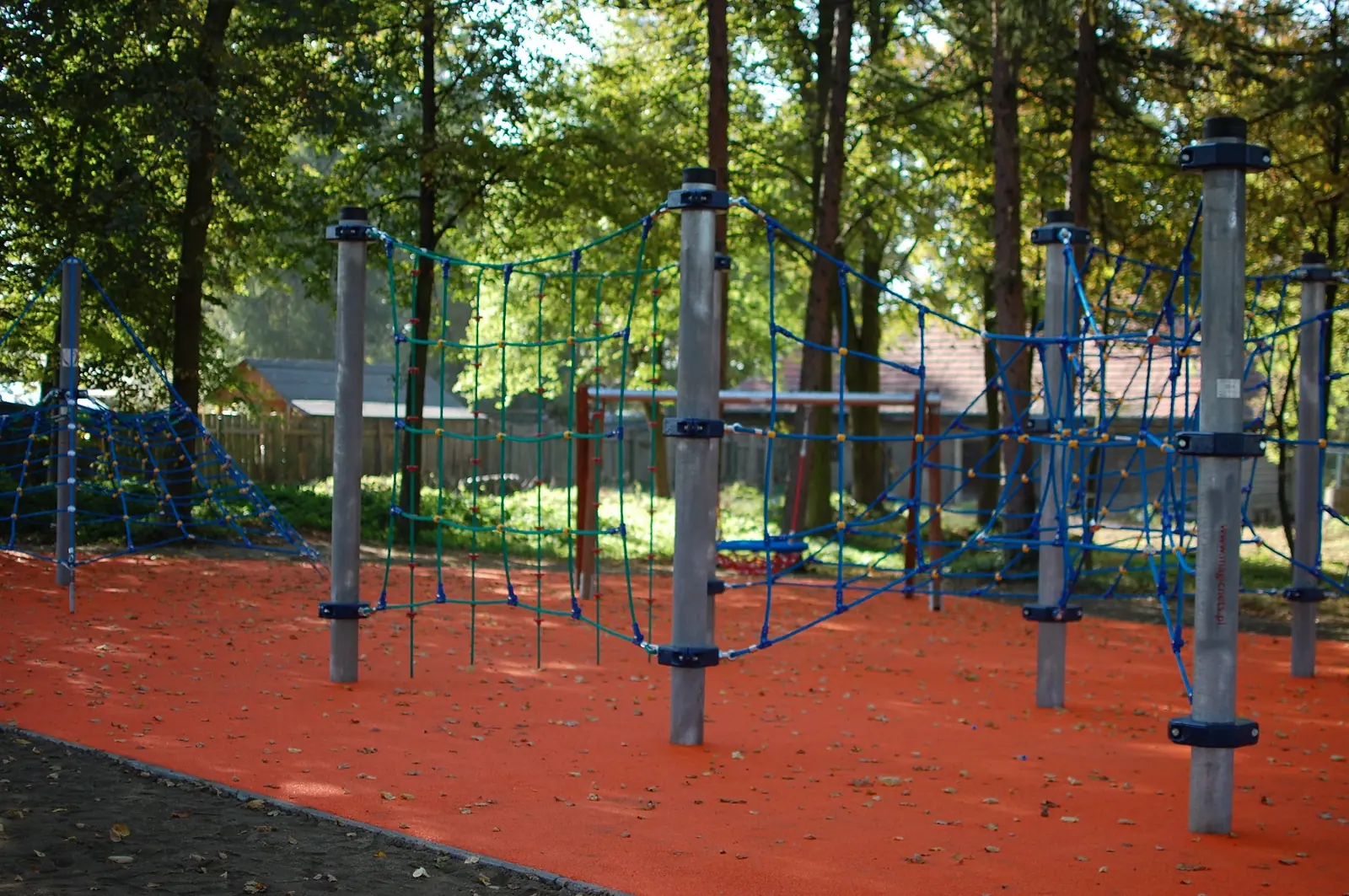 View product
ISIS Lattice Climbing Net
Price on request -
BELLONA Spider Web Climbing Net to Pinterest (opens in a new window)Save on Pinterest : BELLONA Spider Web Climbing Net
![module de jeu en corde bellona]()
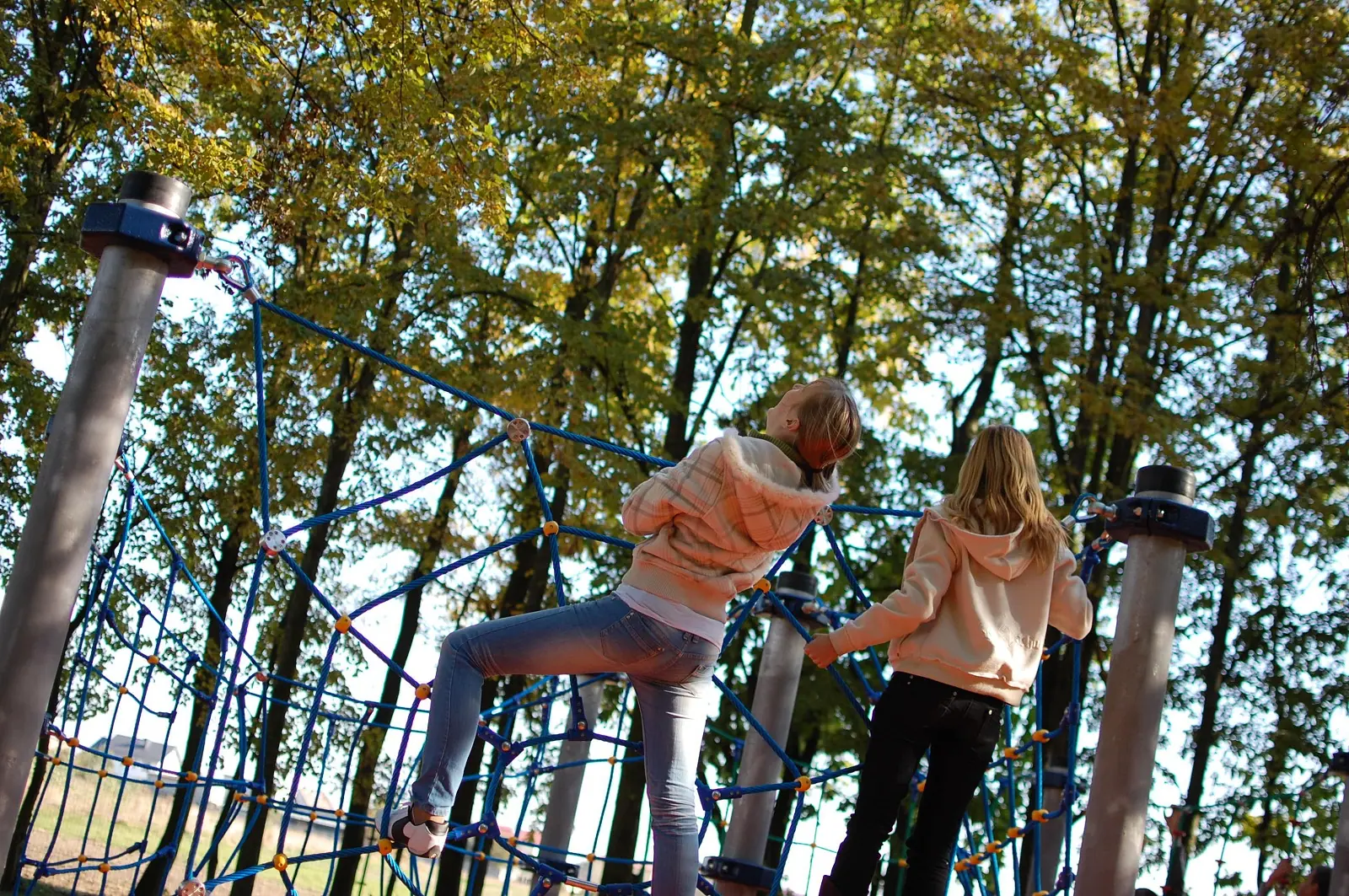 View product
BELLONA Spider Web Climbing Net
Price on request
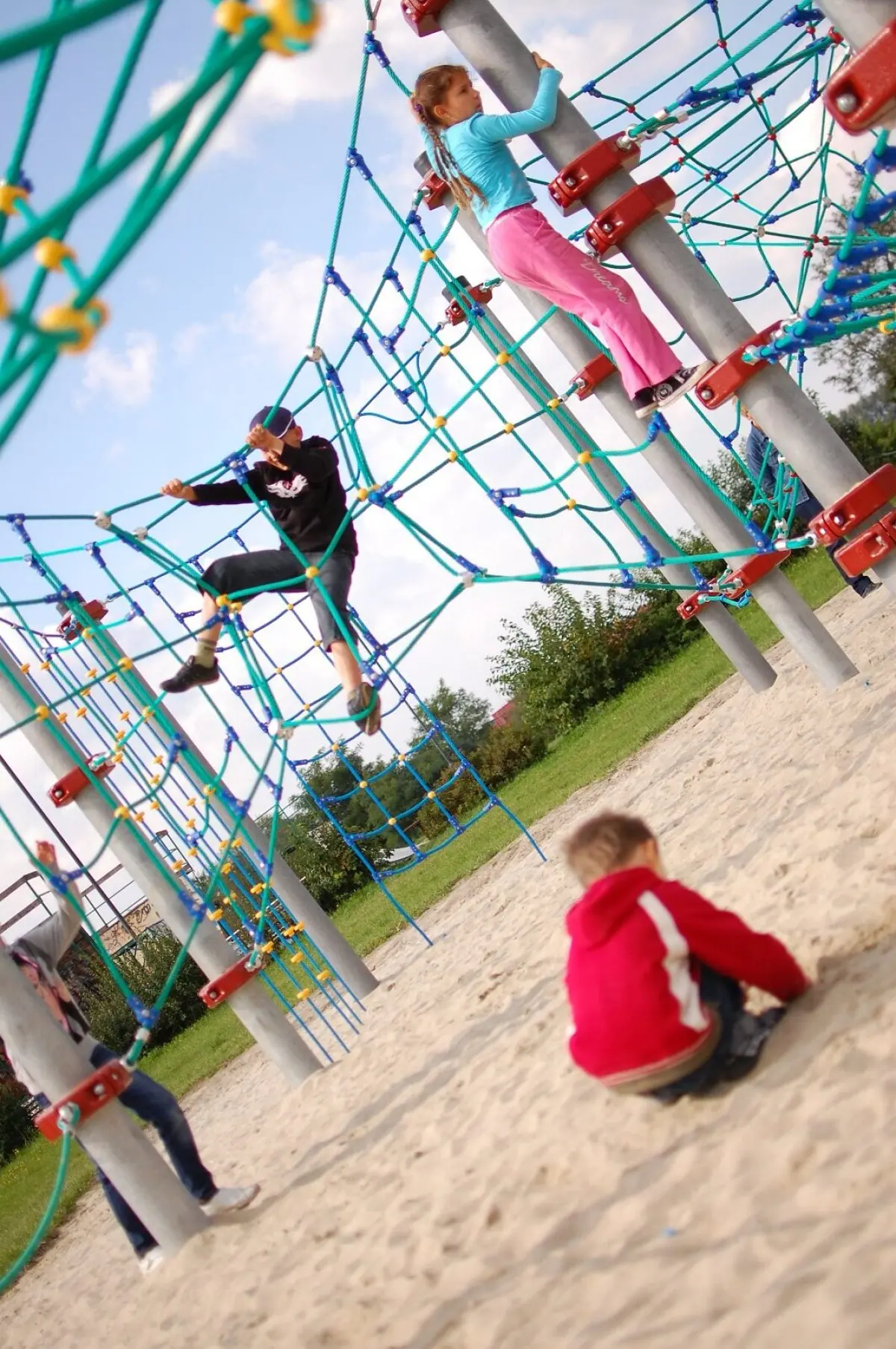
Related products
-
SCYLLA XL Suspended Rope Tunnel to Pinterest (opens in a new window)Save on Pinterest : SCYLLA XL Suspended Rope Tunnel
![module de jeu en corde scylla xl]()
 View product
SCYLLA XL Suspended Rope Tunnel
Price on request -
JUNO XL rope crossing module with adjustable lower rope to Pinterest (opens in a new window)Save on Pinterest : JUNO XL rope crossing module with adjustable lower rope
![module de jeu en corde juno xl]() View product
View productJUNO XL rope crossing module with adjustable lower rope
Price on request -
METIS XL Rope Crossing with Net and Arches to Pinterest (opens in a new window)Save on Pinterest : METIS XL Rope Crossing with Net and Arches
![module de jeu en corde metis xl]()
 View product
METIS XL Rope Crossing with Net and Arches
Price on request